Gemma Arterton: A Radiant Star on the Rise

ist-pasion.com – Gemma Arterton, a name that has become synonymous with beauty, talent, and versatility, has quickly risen to prominence in the world of film and theater. Born on February 2, 1986, in Gravesend, Kent, England, Arterton’s journey from a young theater actress to a global star is a testament to her dedication, hard work, and undeniable talent.

Early Life and Theater Beginnings

Arterton’s passion for acting began at a young age. She attended North Kent College, where she actively participated in school plays and musicals. Her talent was evident from the start, and she quickly realized that she wanted to pursue acting as a career.

After graduating from college, Arterton attended the Royal Academy of Dramatic Art (RADA) in London. During her time at RADA, she honed her craft and gained valuable experience performing in various stage productions. Her dedication and talent quickly caught the attention of casting directors and producers.

A Cinematic Breakthrough

Arterton’s breakthrough role came in 2008 when she starred in the James Bond film “Quantum of Solace.” Her portrayal of the alluring and mysterious agent Fields earned her widespread recognition and critical acclaim.

A Versatile Actress

Since her breakout role, Arterton has continued to impress audiences with her diverse range of performances. She has effortlessly transitioned between genres, from period dramas to contemporary thrillers. Some of her notable films include “Prince of Persia: The Sands of Time,” “Hansel & Gretel: Witch Hunters,” “Byzantium,” and “Their Finest.”

Arterton’s ability to embody complex characters with depth and nuance has earned her critical acclaim and a loyal fanbase. She is known for her intense performances, captivating screen presence, and natural talent.

A Modern-Day Icon

In addition to her acting career, Arterton is also a style icon. Her effortless elegance and classic beauty have made her a favorite of fashion designers and magazines. She often graces red carpets and magazine covers, showcasing her impeccable taste and sense of style.

Arterton’s influence extends beyond the world of film. She is a vocal advocate for various social and political causes, using her platform to raise awareness and inspire change. Her dedication to her craft, coupled with her strong moral compass, has made her a role model for many.

A Bright Future

As Gemma Arterton continues to evolve as an actress, her future looks incredibly promising. With her talent, dedication, and versatility, she is poised to become one of the most influential and respected actresses of her generation. Her ability to captivate audiences and leave a lasting impression is a testament to her extraordinary talent and undeniable star power.

The Rise of New Superpowers: Economic Growth in Asia

ist-pasion.com – Asia has long been a region of significant economic potential, and over the past few decades, it has transformed into a powerhouse of global economic growth. Several Asian countries are emerging as new superpowers, reshaping the global economic landscape. This article explores the factors driving this growth, the key players involved, and the implications for the rest of the world.

Key Drivers of Economic Growth in Asia

Technological Advancements

The rapid adoption of technology across Asia has been a major driver of economic growth. Countries like China, India, and South Korea have made significant investments in technology and innovation, leading to advancements in sectors such as manufacturing, information technology, and telecommunications. These advancements have increased productivity and opened up new markets for Asian companies.

Urbanization and Infrastructure Development

Urbanization has been another crucial factor in Asia’s economic rise. As more people move to urban areas, there has been a surge in demand for housing, transportation, and other infrastructure. Governments across the region have invested heavily in infrastructure projects, such as roads, bridges, and ports, to support this urban growth. These investments have not only created jobs but also improved connectivity and trade within the region and beyond.

Trade and Economic Integration

Asia has become increasingly integrated into the global economy through trade. Regional trade agreements, such as the Regional Comprehensive Economic Partnership (RCEP), have facilitated the flow of goods, services, and capital across borders. This integration has allowed Asian countries to access larger markets, attract foreign investment, and enhance their competitive advantage on the global stage.

Emerging Superpowers in Asia

China

China’s economic transformation over the past few decades is unparalleled. It has grown to become the world’s second-largest economy, driven by its manufacturing prowess and growing consumer market. China’s Belt and Road Initiative has further expanded its influence by investing in infrastructure projects worldwide, enhancing its economic ties with numerous countries.

India

India is poised to become one of the world’s largest economies, with a young and rapidly growing population. The Indian government has implemented various reforms to improve the business climate, attract foreign investment, and promote innovation. As a result, sectors such as technology, services, and manufacturing are experiencing significant growth.

Indonesia

Indonesia, with its abundant natural resources and strategic location, is emerging as a key player in Asia’s economic landscape. The country has experienced steady GDP growth and is investing in infrastructure and human capital to support its development. As Indonesia continues to modernize its economy, it is likely to play an increasingly important role in regional and global economic affairs.

Implications for the Global Economy

The rise of new superpowers in Asia has several implications for the global economy. First, it presents new opportunities for trade and investment, as Asian markets offer vast consumer bases and growing demand for goods and services. Second, the shift in economic power towards Asia may lead to changes in global governance structures, with Asian countries playing a more prominent role in international organizations.

Moreover, the economic growth in Asia could also lead to increased competition in various sectors. Companies worldwide may need to adapt to compete with innovative and efficient Asian firms.

Conclusion

Asia’s economic growth and the rise of new superpowers is a transformative development in the global economy. As countries like China, India, and Indonesia continue to grow and exert their influence, the world will need to adapt to a new economic order. This shift presents both challenges and opportunities for businesses, governments, and individuals around the globe.

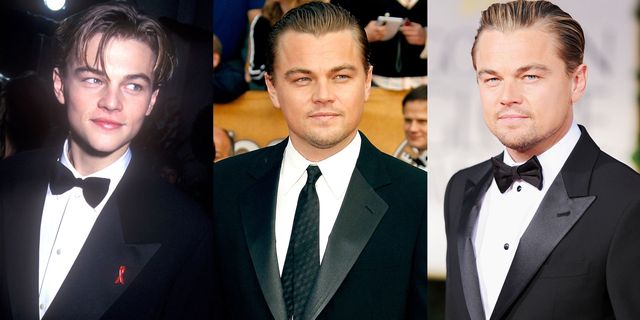
Leonardo DiCaprio’s Rise to Stardom: The 90s Heartthrob

ist-pasion.com – Leonardo Wilhelm DiCaprio, born on November 11, 1974, in Los Angeles, California, showed an early interest in the performing arts. His mother, Irmelin Indenbirken, a legal secretary, and his father, George DiCaprio, an underground comic book artist and producer, supported his aspirations. Leonardo’s first foray into acting was at the tender age of five, when he appeared in a commercial for Matchbox cars. His passion for acting was further nurtured when he joined the Los Angeles Children’s Theater.

Breaking into Hollywood

DiCaprio’s big break came in 1991 when he was cast in the TV series “Santa Barbara.” His performance earned him a Young Artist Award nomination. This was quickly followed by roles in “Parenthood” (1991) and “This Boy’s Life” (1993), where he starred alongside Robert De Niro. His portrayal of a troubled teenager in “This Boy’s Life” earned him critical acclaim and solidified his status as a rising star in Hollywood.

The Heartthrob Emerges

The mid-90s saw DiCaprio’s heartthrob status soar with his roles in “Romeo + Juliet” (1996) and “Titanic” (1997). His portrayal of the star-crossed lover Romeo Montague in Baz Luhrmann’s modern adaptation of Shakespeare’s classic play was both innovative and captivating. However, it was his role as Jack Dawson in “Titanic” that catapulted him to international stardom. The film became the highest-grossing film of all time, and DiCaprio’s portrayal of the charismatic artist won the hearts of millions worldwide. His chemistry with co-star Kate Winslet and the tragic love story resonated with audiences, making him the heartthrob of the 90s.

Beyond Heartthrob Status

While DiCaprio’s heartthrob status was undeniable, he was determined to prove his versatility and talent as an actor. He took on challenging roles in films like “The Man in the Iron Mask” (1998), where he played dual roles, and “The Beach” (2000), which showcased his ability to tackle complex characters.

A Legacy of Excellence

DiCaprio’s dedication to his craft has resulted in a career that spans over three decades. He has received numerous accolades, including an Academy Award for Best Actor for his role in “The Revenant” (2015). His commitment to environmental causes and his production company, Appian Way Productions, have further cemented his legacy as more than just a heartthrob; he is a respected actor, producer, and environmentalist.

Conclusion

Leonardo DiCaprio’s rise to stardom in the 90s was not just about becoming a heartthrob; it was about establishing himself as a talented and versatile actor. From his early roles to his iconic performances in “Romeo + Juliet” and “Titanic,” DiCaprio has continued to evolve and challenge himself. His dedication to his craft and his commitment to making a positive impact on the world have made him not just a star of the 90s but a timeless figure in the entertainment industry.