TFBOYS: China’s Teenage Sensation – A Phenomenon Born

ist-pasion.com – TFBOYS, a Chinese pop boy group, has taken the Chinese entertainment industry by storm since their debut in 2013. Composed of three talented members – Karry Wang, Roy Wang, and Jackson Yee – the group has captured the hearts of millions, particularly young fans.   

The Rise of a Generation

  • Karry Wang: The charismatic leader of the group, Karry Wang is known for his strong vocals and captivating stage presence. He has ventured into acting, starring in popular dramas like “Love Me If You Dare” and “Ever Night.”  
  • Roy Wang: With his charming personality and boy-next-door looks, Roy Wang has gained a massive following. He has appeared in various TV dramas and movies, including “The Untamed” and “The Legion of Young Heroes.”
  • Jackson Yee: The youngest member of the group, Jackson Yee has impressed audiences with his exceptional talent in acting and singing. He has starred in critically acclaimed films like “Better Days” and “Little Flowers.”  

A Cultural Impact

TFBOYS’ influence extends beyond music and entertainment. They have become cultural icons, shaping trends and inspiring young people. Their dedication to their craft, positive image, and philanthropic efforts have made them role models for millions.

A New Era

As the members of TFBOYS mature and pursue individual careers, their impact on the Chinese entertainment industry continues to grow. Their solo endeavors have further solidified their positions as top-tier stars, each with their unique style and talent.

A Legacy That Endures

TFBOYS’ journey is a testament to the power of youth, talent, and hard work. Their success has paved the way for a new generation of Chinese idols, inspiring countless young people to pursue their dreams. As they continue to evolve and redefine themselves, TFBOYS’ legacy will undoubtedly endure for years to come.

China’s Global Development Strategy: Belt and Road Initiative

ist-pasion.com – The Belt and Road Initiative (BRI), adopted by the Chinese government in 2013, is a global development strategy adopted by the Chinese government in 2013 to invest in infrastructure and economic development in countries across Asia, Europe, and Africa. This ambitious project, also known as “One Belt, One Road,” is one of the most significant global development strategies of the 21st century, aiming to invest in infrastructure and economic development in countries across Asia, Europe, and Africa.

The Vision of the Belt and Road Initiative

The BRI is envisioned as a 21st-century Silk Road, reviving the ancient trade routes that connected China with the rest of the world. It is composed of two main components: the land-based “Silk Road Economic Belt” and the “21st Century Maritime Silk Road.” The initiative aims to invest in infrastructure such as roads, railways, ports, and telecommunications, as well as energy and industrial parks.

Strategic Objectives

The strategic objectives of the Belt and Road Initiative are multifaceted, including:

Economic Development

By investing in infrastructure, the BRI aims to stimulate economic growth and development in participating countries, creating new trade routes and opportunities for Chinese companies to expand abroad.

Geopolitical Influence

The initiative also serves as a tool for China to expand its geopolitical influence, building relationships with countries across the globe and securing access to resources and markets.

Soft Power Projection

Through the BRI, China is also projecting its soft power, promoting its model of governance and economic development as an alternative to Western models.

Implementation and Challenges

The implementation of the Belt and Road Initiative involves a complex web of bilateral agreements, investments, and projects. While it has led to significant infrastructure development in many countries, it has also faced challenges and criticism.

Financial Sustainability

One of the main criticisms is the financial sustainability of the projects, with concerns that some countries may struggle to repay the loans provided by China.

Environmental Concerns

There are also environmental concerns, as some projects have been criticized for their impact on local ecosystems and for not adhering to international environmental standards.

Geopolitical Tensions

The initiative has also sparked geopolitical tensions, with some countries and regions viewing it as a means for China to extend its influence and control.

Conclusion

The Belt and Road Initiative is a testament to China’s ambition to play a leading role in the global economy and international relations. While it has the potential to transform global trade and development, it also faces significant challenges that will shape its future impact. As the initiative continues to evolve, it will be crucial for China and its partners to address these challenges to ensure that the BRI contributes positively to global development and stability.

Vietnam Melanjutkan Pembangunan di Laut Cina Selatan di Tengah Klaim China

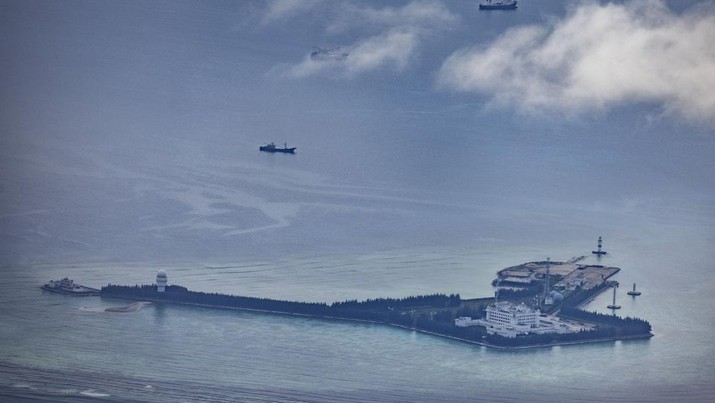
ist-pasion.com – Pemerintah Vietnam sedang aktif mengembangkan beberapa area di Laut Cina Selatan (LCS), suatu wilayah yang menjadi pusat ketegangan teritorial dengan China. Menurut laporan dari Inisiatif Transparansi Maritim Asia (AMTI) yang berbasis di Washington, dikutip oleh Radio Free Asia, Vietnam telah menambahkan 692 hektar lahan baru di 10 lokasi di kepulauan Spratly sejak November 2023.

Detail Pembangunan:

  • Lokasi Utama: Dari 10 lokasi utama di Spratly, lima sedang dikembangkan oleh Vietnam.
  • Barque Canada Reef: Lokasi ini menonjol dengan peningkatan luas dari 238 hektar menjadi 412 hektar dalam enam bulan terakhir.

Konteks Reklamasi:
Reklamasi yang dilakukan Vietnam menandakan perubahan besar dalam pendekatan negara tersebut terhadap penggunaan wilayah tersebut. Tiga tahun lalu, aktivitas pengerukan dan penimbunan Vietnam masih kurang dari sepuluh persen dari total yang dilakukan oleh China. Kegiatan Vietnam lebih banyak berfokus pada perlindungan ketimbang ekspansi atau modifikasi struktural yang signifikan.

Pentingnya LCS:
LCS merupakan jalur penting untuk pengiriman komersial global, berlokasi strategis di dekat beberapa negara besar seperti Brunei, Kamboja, China, Indonesia, Malaysia, Filipina, Singapura, Taiwan, Thailand, dan Vietnam. Kawasan ini kaya akan sumber daya alam seperti minyak, gas, dan ikan.

Klaim China:
China mengklaim sekitar 90% dari LCS, mengacu pada apa yang mereka sebut “sembilan garis putus-putus,” yang mencakup area seluas 3,5 juta kilometer persegi. Negara ini juga telah membangun infrastruktur signifikan di Kepulauan Paracel, termasuk kota baru bernama Shansa.

Ketegangan Internasional:
Klaim teritorial China telah menyebabkan ketegangan internasional dan kekhawatiran akan potensi konflik terbuka. Sejumlah negara Barat telah menanggapi dengan mengirim atau merencanakan pengiriman armada perang ke perairan tersebut.

Pembangunan Militer Potensial:
RFA sebelumnya melaporkan bahwa Vietnam mungkin akan membangun landasan pacu kedua di Barque Canada Reef, yang berpotensi menjadi landasan pacu sepanjang 3.000 meter, mirip dengan yang dimiliki China di wilayah tersebut. Namun, AMTI menyatakan bahwa citra satelit terbaru tidak menunjukkan pembangunan tersebut.

Dukungan Lokal:
Masyarakat Vietnam tampak mendukung pembangunan ini, dengan banyak komentator di media sosial memuji strategi Vietnam dalam menghadapi tekanan dari China di LCS.

Pembangunan di LCS oleh Vietnam menunjukkan komitmen negara tersebut dalam mempertahankan klaim teritorialnya serta strategi adaptif dalam menghadapi dinamika geopolitik yang kompleks di kawasan tersebut.

Pertemuan AS-China di Jenewa: Fokus pada Risiko Artificial Intelligence

ist-pasion.com – Kecerdasan Buatan (AI) telah mendorong Amerika Serikat (AS) dan China untuk bertemu di Jenewa, Swiss, guna membahas teknologi yang semakin penting ini.

Selama beberapa tahun terakhir, AI telah mengalami kemajuan yang signifikan, tidak hanya dalam bidang teknologi, tetapi juga dalam sektor-sektor lain.

Seorang pejabat AS mengungkapkan bahwa China sedang memperkuaat kemampuan AI di berbagai bidang, dari sipil hingga militer dan keamanan nasional, yang menimbulkan kekhawatiran tentang implikasi keamanan bagi AS dan sekutu-sekutunya.

Pejabat tersebut juga menjelaskan bahwa pertemuan akan berfokus pada risiko-risiko yang dihasilkan oleh AI, tanpa mengorbankan kebijakan perlindungan teknologi AS yang tidak akan dinegosiasikan.

Pejabat pemerintah lainnya menyatakan bahwa dialog tentang risiko AI sangat penting untuk dilakukan, dengan tujuan menjaga stabilitas dan keamanan global.

Pada bulan April di Beijing, Menteri Luar Negeri AS, Antony Blinken, dan Menteri Luar Negeri China, Wang Yi, telah melakukan pertemuan untuk membahas AI, dan keduanya sepakat untuk melanjutkan pembicaraan bilateral formal pertama mengenai teknologi tersebut.

Sementara itu, AS sedang dalam proses menciptakan aturan-aturan yang diperlukan untuk mengatur AI. Pemimpin Mayoritas Senat, Chuck Schumer, berencana untuk merilis rekomendasi tentang strategi untuk mengatasi risiko AI, yang diharapkan akan menjadi dasar undang-undang di masa depan.

Di sisi lain, China menekankan pentingnya pengembangan AI yang terkendali dan aman di dalam negeri.