Petualangan 24 Jam di Roma: Menyusuri Sejarah, Kuliner, dan Keajaiban Kota Abadi

ist-pasion.com – Roma, ibu kota Italia, menyimpan pesona sejarah, seni, dan kuliner yang luar biasa. Meskipun kota ini menawarkan pengalaman tak terbatas, Anda tetap bisa menikmati keindahan Roma hanya dalam satu hari. Dengan perencanaan yang tepat dan semangat petualang, Anda akan melihat sisi terbaik Roma dalam 24 jam.

Pagi: Sarapan di Trastevere dan Jelajahi Kota Tua

Mulailah hari Anda di kawasan Trastevere yang menawan. Kafe-kafe kecil di sudut jalan menyajikan cappuccino hangat dan cornetto lezat, roti khas Italia yang menyerupai croissant. Setelah sarapan, Anda bisa berjalan kaki menyusuri gang-gang sempit berbatu yang membawa Anda ke suasana Roma klasik. Trastevere memancarkan keindahan arsitektur khas Italia dan ketenangan pagi yang menyenangkan.

Menjelajahi Sejarah di Colosseum dan Forum Romawi

Setelah menikmati pagi yang tenang, lanjutkan perjalanan ke Colosseum, ikon Roma yang terkenal di seluruh dunia. Anda bisa memesan tiket terlebih dahulu untuk menghindari antrean panjang. Luangkan waktu sekitar satu jam untuk menyusuri arena gladiator kuno ini. Kemudian, kunjungi Forum Romawi yang terletak di sebelahnya. Di sana, Anda bisa berjalan di antara reruntuhan kuil dan basilika yang pernah menjadi pusat kehidupan politik Romawi Kuno.

Siang Hari di Piazza Venezia dan Air Mancur Trevi

Saat matahari mencapai puncaknya, pergilah ke Piazza Venezia yang ramai. Di sini berdiri Altare della Patria, monumen besar berwarna putih yang mengesankan. Lanjutkan dengan berjalan kaki ke Air Mancur Trevi yang terkenal. Jangan lupa membawa koin untuk dilempar ke dalam air – tradisi ini dipercaya bisa membawa Anda kembali ke Roma suatu hari nanti. Setelah itu, nikmati makan siang di restoran lokal yang menyajikan pasta carbonara atau pizza margherita otentik.

Sore di Pantheon dan Piazza Navona

Setelah makan siang, kunjungi Pantheon, kuil kuno yang kini berfungsi sebagai gereja. Kubahnya yang besar dan interiornya yang megah akan memukau Anda. Setelah itu, jalan kaki ke Piazza Navona, alun-alun yang terkenal karena arsitekturnya yang elegan dan air mancur karya Bernini. Nikmati gelato sambil duduk santai dan menyerap suasana khas Roma yang hidup.

Menutup Hari di Vatikan dan Pemandangan dari Gianicolo

Sebelum matahari terbenam, arahkan langkah Anda ke Kota Vatikan bonus new member 100. Meskipun Anda tidak sempat mengelilingi seluruh kompleks, Anda tetap bisa mengunjungi Lapangan Santo Petrus dan mengagumi Basilika Santo Petrus dari luar. Saat senja tiba, pergilah ke bukit Gianicolo. Dari sini, Anda bisa melihat panorama Roma yang memukau, terutama saat langit berubah warna di penghujung hari.

Roma dalam Sekejap yang Tak Terlupakan

Meski sehari terasa singkat, Anda bisa menciptakan kenangan berharga di Roma. Kota ini memadukan sejarah, seni, dan kehidupan modern dalam harmoni yang unik. Dengan semangat petualangan dan langkah yang mantap, Anda akan merasakan keajaiban Roma bahkan dalam waktu yang terbatas. Jangan tunda perjalanan Anda – Roma menanti untuk dijelajahi, bahkan hanya dalam 24 jam.

Pengaruh Krisis Properti di China terhadap Ekonomi Asia

China, sebagai salah satu kekuatan ekonomi terbesar di dunia, memiliki pengaruh signifikan TRISULA88 terhadap dinamika ekonomi di kawasan Asia. Selama dua dekade terakhir, sektor properti di China telah menjadi motor utama pertumbuhan ekonominya, menyumbang sekitar 25-30% dari produk domestik bruto (PDB). Namun, sejak tahun 2020, sektor ini mengalami tekanan berat akibat kebijakan pemerintah untuk mengendalikan utang perusahaan properti, serta melemahnya permintaan pasar. Krisis ini tidak hanya mengguncang ekonomi domestik China, tetapi juga membawa dampak besar terhadap perekonomian negara-negara Asia lainnya.

Akar Permasalahan Krisis Properti di China

Krisis properti di China berakar dari pertumbuhan pesat sektor ini selama bertahun-tahun, yang banyak didorong oleh utang. Perusahaan-perusahaan seperti Evergrande, Country Garden, dan Sunac memperoleh pembiayaan dalam jumlah besar untuk mengembangkan proyek-proyek besar di seluruh negeri. Namun, pada tahun 2020, pemerintah China memperkenalkan kebijakan “tiga garis merah” (three red lines) untuk membatasi utang perusahaan properti dan mencegah risiko sistemik. Kebijakan ini secara drastis membatasi akses perusahaan properti terhadap pembiayaan baru.

Akibatnya, banyak perusahaan properti gagal menyelesaikan proyek dan membayar kewajiban mereka. Evergrande, misalnya, gagal bayar utang senilai lebih dari USD 300 miliar, yang menimbulkan kekhawatiran global tentang potensi “Lehman Moment” versi China.

Dampak Terhadap Ekonomi China

Krisis ini memberikan pukulan telak bagi ekonomi China. Aktivitas konstruksi menurun drastis, mempengaruhi sektor baja, semen, dan bahan bangunan lainnya. Penurunan harga properti juga membuat rumah tangga lebih enggan untuk berbelanja, karena nilai aset mereka menyusut. Tingkat kepercayaan konsumen dan investor menurun, memperlambat pemulihan ekonomi pasca-COVID-19.

Selain itu, banyak pemerintah daerah yang bergantung pada penjualan tanah kepada pengembang sebagai sumber pendapatan. Dengan melemahnya sektor properti, pendapatan mereka menurun drastis, sehingga belanja publik pun terhambat.

Dampak terhadap Ekonomi Asia

Karena China adalah mitra dagang utama bagi banyak negara Asia, krisis properti ini memberikan dampak rambatan (spillover effect) yang signifikan ke kawasan.

1. Penurunan Permintaan Komoditas

Negara-negara seperti Indonesia, Australia, dan Malaysia, yang mengekspor komoditas seperti bijih besi, batu bara, dan tembaga ke China, mengalami penurunan permintaan. Kegiatan konstruksi yang melambat berarti kebutuhan bahan bangunan juga berkurang. Hal ini berdampak pada pendapatan ekspor dan pertumbuhan ekonomi di negara-negara tersebut.

2. Gangguan pada Rantai Pasokan

Banyak negara Asia terhubung dengan China dalam rantai pasok regional. Melemahnya sektor properti dan konstruksi menyebabkan penurunan permintaan terhadap berbagai barang dan jasa dari negara tetangga, mulai dari elektronik, mesin industri, hingga barang konsumen.

3. Ketidakpastian Pasar Keuangan

Kekhawatiran terhadap stabilitas sektor properti China memicu volatilitas di pasar keuangan Asia. Investor asing menjadi lebih berhati-hati terhadap aset-aset berisiko di kawasan, termasuk saham dan obligasi negara berkembang. Arus modal keluar dari pasar Asia dapat memperlemah nilai tukar dan meningkatkan biaya pinjaman bagi negara-negara berkembang.

4. Dampak terhadap Pariwisata dan Konsumsi Lintas Negara

China adalah salah satu sumber wisatawan terbesar di Asia. Melemahnya ekonomi domestik akibat krisis properti membuat konsumen China menahan pengeluaran, termasuk perjalanan ke luar negeri. Negara-negara seperti Thailand, Jepang, dan Korea Selatan yang sangat bergantung pada pariwisata dari China pun terkena dampaknya.

Tindakan Mitigasi oleh Negara Asia

Beberapa negara Asia mulai mengambil langkah untuk mengurangi ketergantungan ekonomi mereka terhadap China. Diversifikasi pasar ekspor, peningkatan kerjasama intra-Asia, serta reformasi ekonomi dalam negeri menjadi fokus utama. Misalnya, Vietnam dan India berupaya menarik investasi asing sebagai alternatif dari manufaktur di China.

Selain itu, bank sentral di Asia cenderung lebih berhati-hati dalam kebijakan moneternya, menjaga stabilitas nilai tukar dan memastikan arus modal tetap terkendali.

Penutup

Krisis properti di China menjadi pengingat bahwa ketergantungan ekonomi yang tinggi pada satu negara membawa risiko tersendiri. Dampak yang meluas ke seluruh kawasan Asia menunjukkan betapa terintegrasinya perekonomian regional. Untuk ke depan, negara-negara Asia perlu memperkuat fondasi ekonomi domestik mereka, memperluas basis perdagangan, serta meningkatkan daya tahan terhadap guncangan eksternal. Meskipun tantangan masih membayangi, krisis ini juga bisa menjadi momentum bagi Asia untuk mereformasi dan memperkuat kerja sama ekonomi regional secara berkelanjutan.

Māori Art and Craft: Weaving & Contemporary Creations

ist-pasion.com – Māori art and craft have been central to the cultural expression of the Māori people for centuries. Traditionally, Māori art is deeply intertwined with the spiritual and social aspects of their lives, with carving and weaving serving as important forms of storytelling, identity, and connection to their ancestors. From the intricate wood carvings adorning the wharenui (meeting houses) to the beautifully woven cloaks and baskets, Māori art reflects the deep relationship between the people, their environment, and their heritage. In recent years, contemporary Māori artists have infused new forms and ideas into traditional practices, creating a dynamic blend of old and new. This article explores the rich history of Māori art and craft, examining the significance of carving, weaving, and the evolution of contemporary Māori creations.

The Tradition of Māori Carving

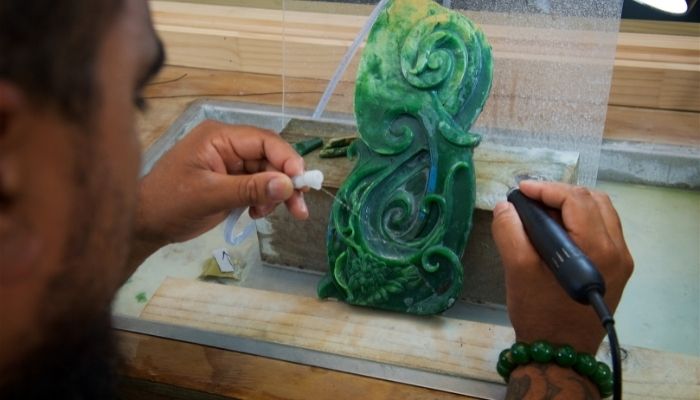
Carving, or tohunga whakairo, is one of the most distinctive and important forms of Māori art. The intricate carvings of Māori are not only decorative but also serve to tell stories, record genealogies, and honor ancestors. Carving is a sacred practice that requires great skill and knowledge, with the artist often being regarded as a tohunga (master craftsman) who has inherited the knowledge of the craft through generations.

The Wharenui and its Carvings

One of the most prominent places where Māori carvings are seen is the wharenui, or meeting house. The wharenui is considered a living embodiment of the tribe’s ancestors, and its carvings represent the spiritual connection between the people and their heritage. The carvings on the exterior and interior of the wharenui are highly symbolic, with each figure, pattern, and design telling a specific story or recounting the genealogy of the tribe.

The most common motifs found in Māori carving include the koru (spiral), which represents new life, growth, and strength, and the manaia (a mythological creature), often depicted as a bird or human figure with a curving body. The use of human and animal forms is also prevalent, symbolizing the connection between the physical and spiritual realms.

Carving also extends to other aspects of Māori life, such as tools, weapons, canoes, and personal adornments. These items often feature detailed patterns and images, transforming everyday objects into works of art that hold both functional and spiritual significance.

Tools and Techniques

Māori carvers traditionally used tools made from stone, bone, and wood, with the most common tools being adzes (toki), chisels (rākau), and scrapers. The carving process is meticulous, with the artist carefully shaping the wood or stone into complex patterns and figures. The techniques passed down through generations emphasize precision, patience, and an understanding of the spiritual meanings behind each design.

Māori Weaving: A Craft of Connection and Function

Weaving, or raranga, is another essential aspect of Māori art and craft. Like carving, weaving is a deeply spiritual practice that connects the weaver to their ancestors and to the natural world. Māori weaving was traditionally used to create a wide variety of functional and ceremonial items, from clothing and mats to baskets and fishing nets.

The Role of Weaving in Māori Culture

Weaving was primarily the responsibility of women in Māori society, and it was considered an important role in the upkeep of the whānau (family) and hapū (subtribe). The most well-known and prestigious woven garment is the kākahu, a cloak made from flax (harakeke) or other natural fibers. The kākahu was often decorated with intricate patterns and designs, and in many cases, adorned with feathers, which were highly prized for their spiritual significance.

Another key woven item is the piupiu, a skirt made from flax leaves and worn during ceremonies, dances, and traditional performances. The weaving of the piupiu is not just about creating a functional garment but also about expressing cultural identity through the patterns and designs, which often represent a person’s tribe or lineage.

Māori weavers are known for their expertise in transforming natural materials such as flax, kiekie, and tūnuka (types of plant fibers) into beautiful and functional creations. The process involves careful harvesting, preparation, and weaving of the fibers, with each step of the process infused with cultural meaning. The act of weaving itself is often seen as a way of connecting with the spiritual world, as it involves the careful intertwining of the fibers, symbolizing the bonds between people, nature, and ancestors.

Patterns and Symbolism in Weaving

Māori weaving patterns are rich in symbolism, with each design conveying specific meanings. Common motifs in Māori weaving include the koru, the ruruku (a design symbolizing protection), and the tikitiki (a triangular pattern symbolizing strength). These patterns, when woven into garments or mats, not only convey cultural knowledge but also serve to honor the ancestors and maintain the connection between past and present.

Contemporary Māori Art: Innovation Meets Tradition

While traditional Māori carving and weaving remain highly revered and practiced, contemporary Māori artists have expanded the boundaries of Māori art, incorporating new media, techniques, and influences into their work. This evolution reflects the dynamic nature of Māori culture and the ability of Māori artists to adapt to the changing world while staying true to their cultural roots.

Contemporary Māori Carving

In contemporary Māori carving, there is a renewed interest in blending traditional forms with modern artistic expressions. Carving is no longer confined to wharenui and ceremonial objects; it has expanded into public art, sculptures, and installations. Artists often incorporate new materials, such as stone, glass, and metal, into their carvings, while still adhering to traditional designs and symbolism.

Notable contemporary Māori carvers, such as carver and artist Rangi Kipa, have pushed the boundaries of Māori art by experimenting with abstract forms and incorporating elements of Māori mythology and history into their works. These contemporary carvings often challenge viewers to reflect on the changing identity of Māori people and their relationship to the world around them.

Contemporary Māori Weaving

Māori weaving has also seen a resurgence in contemporary art, with weavers exploring new techniques and materials while still drawing on traditional motifs and forms. Today, many weavers incorporate synthetic fibers, dyes, and modern design elements into their work, resulting in contemporary pieces that still honor the cultural legacy of weaving.

The work of contemporary Māori weavers such as Ngahuia Te Awekotuku and Florence Martin showcases a modern interpretation of Māori weaving that reflects both the continuity of tradition and the creativity of the individual artist. These weavings often reflect the artist’s personal connection to their heritage, as well as a deep understanding of the cultural significance of weaving.

Digital and Multimedia Art

Māori artists are also exploring new media, such as digital art, video, and multimedia installations, to express their identities and cultural stories. These works often blend traditional Māori symbols, language, and stories with modern technology, creating a fusion of past and present. Artists like Tame Iti and Lisa Reihana have gained international recognition for their ability to merge contemporary art with Māori tradition, pushing the boundaries of what constitutes Māori art in the 21st century.

Conclusion

Māori art and craft are vital expressions of identity, culture, and spirituality that have evolved over centuries. From the intricate carvings that decorate the wharenui to the delicate weavings of cloaks and baskets, Māori art has always been a powerful tool for storytelling and cultural preservation. Today, contemporary Māori artists continue to innovate, blending traditional practices with new forms and materials to create works that speak to the changing realities of Māori life and the wider world. The resilience and creativity of Māori artists ensure that their cultural heritage remains alive and relevant, bridging the gap between the past, present, and future.

The Twin Peaks of Colombia: Cristóbal Colón and Simón Bolívar

ist-pasion.com – The Sierra Nevada de Santa Marta, a stunning mountain range rising abruptly from the Caribbean coast of Colombia, is home to two of the highest peaks in South America: Pico Cristóbal Colón and Pico Simón Bolívar. These twin peaks, almost equal in height, offer a challenging yet rewarding adventure for experienced mountaineers.

Pico Cristóbal Colón: A Majestic Giant

Pico Cristóbal Colón, the slightly taller of the two peaks, stands at an impressive 5,775 meters (18,947 feet) above sea level. It is the highest coastal mountain in the world, rising directly from the Caribbean Sea. Its name honors Christopher Columbus, the famous explorer who first sighted the New World.

Ascending Pico Cristóbal Colón is a demanding endeavor, requiring technical expertise, physical fitness, and the ability to withstand harsh weather conditions. The peak is often shrouded in mist and cloud, and climbers must navigate steep slopes, glaciers, and crevasses. However, the rewards are immense. From the summit, climbers are treated to breathtaking panoramic views of the Caribbean coast, the Sierra Nevada de Santa Marta, and the distant Andes Mountains.

Pico Simón Bolívar: A Close Second

Pico Simón Bolívar, named after the iconic South American liberator, is only slightly lower than its twin peak, reaching a height of 5,775 meters (18,947 feet). Despite its similar height, Simón Bolívar offers a distinct climbing experience, with different routes and challenges.

The ascent of Simón Bolívar often involves technical climbing sections, including ice climbing and mixed terrain. The summit rewards climbers with stunning views of the surrounding peaks, including the majestic Pico Cristóbal Colón.

A Unique Ecosystem

The Sierra Nevada de Santa Marta is a biodiversity hotspot, home to a wide range of unique plant and animal species. The high-altitude páramo ecosystem, found above the tree line, is particularly diverse, with a variety of endemic flora and fauna. The peaks of Cristóbal Colón and Simón Bolívar are also important water sources, providing freshwater to the surrounding region.   

Climbing the Twin Peaks: A Dream for Adventurers

For mountaineers seeking a challenging and rewarding adventure, the twin peaks of Cristóbal Colón and Simón Bolívar offer an unforgettable experience. However, it is important to approach these mountains with respect and preparation. Climbing these peaks requires expert guidance and specialized equipment.

Córdoba: A Heartbeat of Argentina – Landscapes

ist-pasion.com – Córdoba, a province nestled in central Argentina, is a captivating blend of diverse landscapes, rich history, and vibrant culture. From the majestic Andes Mountains to the fertile Pampas, this province offers a diverse range of experiences for travelers.

The Sierras Grandes: A Mountain Paradise

The Sierras Grandes, a mountain range that stretches across the western part of the province, is a popular destination for outdoor enthusiasts. The city of Córdoba, the provincial capital, is situated in a valley surrounded by these mountains, offering stunning views and a pleasant climate. The mountains are home to numerous hiking trails, waterfalls, and natural wonders, such as the Quebrada del Condorito and the Cerro Champaquí.

The Pampas: A Fertile Plain

The eastern part of the province is dominated by the Pampas, a vast, fertile plain that is the agricultural heartland of Argentina. The Pampas are characterized by rolling hills, lush grasslands, and productive farmland. The region is known for its cattle ranching and the production of soybeans, corn, and wheat.

A Rich Cultural Heritage

Córdoba’s cultural heritage is a fascinating blend of indigenous and European influences. The province is home to numerous historical sites, including colonial churches, Jesuit missions, and archaeological ruins. The city of Córdoba is a cultural hub, with a vibrant arts scene, numerous museums, and a thriving nightlife.

Festivals and Traditions

Córdoba is renowned for its lively festivals and traditions. The Fiesta Nacional de la Doma y Folklore, held annually in Jesús María, is one of the most famous festivals in Argentina, featuring traditional gaucho skills, music, and dance. The province also hosts numerous religious festivals, including the Semana Santa processions in Córdoba city.

A Culinary Delight

Córdoba’s cuisine is a delicious fusion of flavors, combining indigenous ingredients with European techniques. Asado, the traditional Argentine barbecue, is a popular dish, as well as empanadas, locro, and dulce de leche. The province is also known for its excellent wines, particularly those produced in the Sierras de Córdoba.

A Gateway to Adventure

Córdoba is a gateway to adventure. The province offers a wide range of outdoor activities, including hiking, trekking, mountain biking, and white-water rafting. The Río Primero and Río Segundo, two major rivers that flow through the province, are popular for kayaking and fishing.

A Vibrant City

Córdoba city, the provincial capital, is a bustling metropolis with a rich history and a vibrant culture. The city’s historic center, a UNESCO World Heritage Site, is home to numerous colonial buildings, churches, and plazas. The city is also known for its universities, cultural institutions, and modern amenities.

A Timeless Charm

Córdoba is a province that captivates the heart and soul. Its diverse landscapes, rich history, and vibrant culture make it a unique and unforgettable destination. Whether you are seeking adventure, relaxation, or cultural immersion, Córdoba has something to offer everyone.

Castelo Branco: A Hidden Gem in the Heart of Portugal

ist-pasion.com – Castelo Branco, a charming city nestled in the heart of Portugal’s Beira Baixa region, offers a unique blend of history, culture, and natural beauty. With its picturesque landscapes, historic landmarks, and warm hospitality, Castelo Branco is a hidden gem waiting to be discovered.   

A Glimpse into History

Castelo Branco’s history dates back to Roman times, when it was known as Constantia. The city’s strategic location and rich cultural heritage have made it a significant player throughout the centuries. During the Middle Ages, Castelo Branco emerged as a powerful stronghold, and its imposing castle became a symbol of its strength and resilience.

Exploring Castelo Branco’s Historical Treasures

  • Castelo Branco Castle: This majestic castle, dating back to the 12th century, dominates the city skyline. Its imposing walls and towers offer panoramic views of the surrounding countryside.
  • Sé de Castelo Branco: This Gothic cathedral is a stunning example of religious architecture. Its intricate carvings and stained-glass windows are a testament to the skill of medieval artisans.
  • Convento da Graça: This former convent is now home to a museum that houses a fascinating collection of religious art and artifacts.
  • Museu Cargaleiro: This museum is dedicated to the work of the renowned Portuguese artist Júlio Pomar, and features a diverse collection of paintings, sculptures, and drawings.

The Natural Beauty of Beira Baixa

Castelo Branco is surrounded by breathtaking natural beauty. The Serra da Estrela, Portugal’s highest mountain range, is just a short drive away, offering opportunities for hiking, skiing, and other outdoor activities. The region’s rolling hills, pristine rivers, and charming villages create a picturesque landscape that is perfect for a relaxing getaway.   

A Taste of Beira Baixa Cuisine

Beira Baixa cuisine is renowned for its hearty dishes and simple, fresh ingredients. Local specialties include chanfana de cabra (goat stew), cabrito assado no forno (roasted kid goat), and migas de milho (cornmeal crumbs). Pair your meal with a glass of vinho da Beira (Beira wine), a robust and flavorful wine produced in the region.   

A Cultural Experience

Castelo Branco hosts a variety of cultural events throughout the year, including music festivals, art exhibitions, and traditional fairs. The city’s annual festival, the Feira Franca, is a highlight of the cultural calendar, featuring colorful parades, traditional music, and delicious food.   

A Peaceful Retreat

Castelo Branco offers a peaceful retreat from the hustle and bustle of city life. Its serene atmosphere, coupled with its rich history and cultural heritage, makes it an ideal place to unwind and recharge.

Bistrița-Năsăud: A Hidden Gem in Transylvania

ist-pasion.com – Bistrița-Năsăud, a county nestled in the heart of Transylvania, Romania, is a captivating blend of history, culture, and breathtaking natural beauty. Often overlooked by tourists, this region offers a unique and authentic experience for those seeking to explore the lesser-known corners of Romania.

A Glimpse into History

Bistrița-Năsăud’s history is rich and complex, with influences from various cultures, including Roman, Dacian, Hungarian, and Saxon. The region’s strategic location at the crossroads of important trade routes has shaped its development over centuries.   

One of the county’s most significant historical landmarks is the Bistrița Fortress, a medieval citadel that offers panoramic views of the city. The fortress has played a crucial role in the region’s history, serving as a defense against invaders and a center of cultural and economic activity.

Natural Wonders

Bistrița-Năsăud is renowned for its stunning natural landscapes. The Carpathian Mountains, with their towering peaks, lush forests, and crystal-clear rivers, dominate the region. The Rodna Mountains, part of the Eastern Carpathians, are particularly impressive, offering opportunities for hiking, climbing, and skiing.   

The Somes River, which flows through the county, offers picturesque river valleys and serene lakes. The river is popular for fishing, kayaking, and canoeing. The surrounding forests are home to a diverse range of wildlife, including bears, wolves, and deer.

Cultural Experiences

Bistrița-Năsăud is a cultural hub, with a rich tradition of music, dance, and folklore. The county’s vibrant cultural scene is showcased through various festivals and events throughout the year. Visitors can experience the authentic Romanian culture by attending traditional events, sampling local cuisine, and admiring the craftsmanship of local artisans.

The city of Bistrița, the county’s capital, is a charming town with a historic center. The city’s Gothic and Baroque architecture, as well as its vibrant cultural scene, make it a popular destination for tourists.   

A Memorable Journey

Bistrița-Năsăud is a hidden gem in Romania, offering a unique blend of history, culture, and natural beauty. Whether you’re seeking adventure in the mountains, tranquility by the river, or a cultural immersion, Bistrița-Năsăud has something to offer everyone.

Ada Ciganlija: Belgrade’s Seaside Escape

ist-pasion.com – Ada Ciganlija, often affectionately referred to as the “Belgrade Sea,” is an oasis nestled within the heart of Serbia’s capital city. This man-made peninsula, formed by damming the Sava River, has transformed into a vibrant recreational hub, attracting both locals and tourists alike. With its expansive beaches, crystal-clear waters, and diverse array of activities, Ada Ciganlija offers an idyllic escape from the bustling city life.   

A Haven for Water Enthusiasts

The centerpiece of Ada Ciganlija is its stunning artificial lake, stretching for several kilometers along the peninsula. This inviting body of water is a haven for water enthusiasts, offering a plethora of aquatic activities to suit all tastes. Sunbathers can bask in the warm Serbian sun on the well-maintained sandy beaches, while swimmers can take a refreshing dip in the cool waters. For those seeking more adrenaline-pumping experiences, opportunities abound, from kayaking and paddleboarding to sailing and windsurfing.   

Beyond the Beach: A Land of Adventures

Ada Ciganlija is not just a summer destination; it offers year-round recreational opportunities. In the winter months, the lake transforms into a picturesque frozen landscape, attracting ice skaters and winter sports enthusiasts. The surrounding forests provide ample space for hiking, biking, and jogging, while the numerous sports facilities cater to a wide range of interests, including tennis, basketball, and football.   

A Cultural Melting Pot

Beyond its recreational offerings, Ada Ciganlija has also become a cultural hub. The peninsula is home to a variety of restaurants, cafes, and bars, where visitors can savor delicious local cuisine, sip on refreshing beverages, and enjoy live music performances. The vibrant atmosphere, coupled with the stunning natural surroundings, creates a unique and unforgettable experience.   

A Commitment to Sustainability

Recognizing the importance of environmental conservation, the authorities responsible for Ada Ciganlija have implemented various initiatives to promote sustainability. Efforts are made to minimize the ecological impact of human activities, such as waste management and water quality monitoring. Additionally, the park authorities encourage visitors to adopt eco-friendly practices, such as recycling and reducing plastic consumption.

A Testament to Urban Planning

Ada Ciganlija stands as a testament to the power of urban planning to create vibrant and sustainable recreational spaces. By transforming a former industrial area into a thriving public park, Belgrade has set an example for other cities around the world. The success of Ada Ciganlija lies in its ability to cater to diverse interests, promote environmental stewardship, and foster a sense of community.

In Conclusion

Ada Ciganlija is more than just a recreational destination; it is a symbol of Belgrade’s commitment to quality of life and sustainable development. Whether you seek relaxation, adventure, or cultural immersion, Ada Ciganlija offers something for everyone. As Belgrade continues to evolve, Ada Ciganlija remains a cherished oasis, inviting visitors to escape the hustle and bustle of city life and embrace the beauty of nature.

Discovering Cendol: A Sweet Delight from Southeast Asia

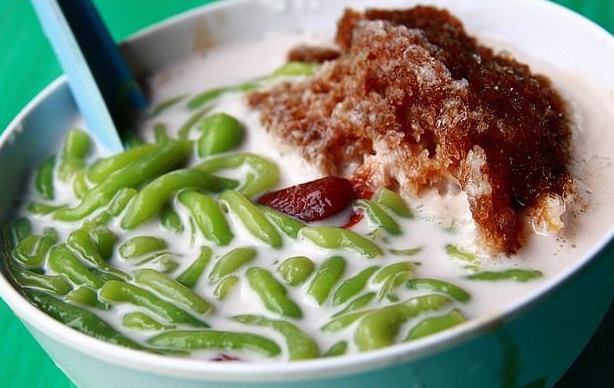
ist-pasion.com – Cendol is a popular dessert that hails from Southeast Asia, cherished for its refreshing taste and unique combination of textures. This delightful treat is made from green rice flour jelly, creamy coconut milk, and aromatic palm sugar. Known for its vibrant colors and sweet flavors, cendol is a favorite among locals and visitors alike. Let’s explore the origins, ingredients, and cultural significance of this beloved dessert.

The Origins of Cendol

Cendol’s roots can be traced back to Southeast Asia, where it is a staple in countries like Malaysia, Indonesia, Singapore, and Thailand. While the exact origins of cendol are uncertain, it is believed to have been influenced by the various cultural exchanges in the region. The dessert is a testament to the ingenuity of traditional Southeast Asian cooking, which often combines simple ingredients to create complex flavors and textures.

Key Ingredients of Cendol

Green Rice Flour Jelly

The distinctive green jelly in cendol is made from rice flour and pandan leaf extract, giving it its characteristic color and subtle fragrance. The jelly is typically shaped into short, worm-like strands, adding an interesting texture to the dessert. The pandan leaves not only impart a natural green hue but also a hint of floral aroma that complements the other ingredients.

Coconut Milk

Coconut milk is a key component of cendol, providing a rich, creamy base that enhances the dessert’s overall flavor. The coconut milk is often freshly squeezed, ensuring a smooth and luscious consistency. Its natural sweetness pairs perfectly with the other ingredients, creating a harmonious blend of flavors.

Palm Sugar

Palm sugar, known for its deep caramel notes, is the sweetener of choice for cendol. It is typically melted into a syrup and drizzled over the dessert, adding a rich, molasses-like sweetness. The combination of palm sugar and coconut milk creates a delightful contrast with the slightly chewy jelly.

The Cultural Significance of Cendol

Cendol is more than just a dessert; it is an integral part of the culinary heritage of Southeast Asia. It is often enjoyed as a cooling treat during the hot and humid months, offering a refreshing respite from the heat. In many regions, cendol is sold by street vendors and in food markets, making it an accessible and beloved snack for people of all ages.

Enjoying Cendol

Cendol is best enjoyed chilled, allowing the flavors to meld together for a refreshing experience. It is often served in a bowl or glass, with a generous helping of shaved ice to enhance its cooling effect. Some variations of cendol include additional toppings like red beans, sweet corn, or diced fruit, adding even more layers of flavor and texture.

In conclusion, cendol is a delightful dessert that captures the essence of Southeast Asian cuisine. Its unique combination of ingredients and textures makes it a must-try for anyone visiting the region. Whether you’re savoring it on a hot day or enjoying it as a sweet ending to a meal, cendol offers a taste of tradition and a touch of sweetness that is sure to leave a lasting impression.

Stones in Motion: Chiefly Title Histories in Central Vanuatu

ist-pasion.com – Central Vanuatu is a region rich in cultural heritage, where stones are not just geological formations but vibrant symbols of history and power. The interplay between monuments and chiefly titles tells a story of social structure, authority, and cultural continuity. This article delves into the significance of these stones, examining how they relate to the chiefly title histories in Central Vanuatu.

Monuments in Central Vanuatu

In Central Vanuatu, stone monuments are more than mere physical structures; they are imbued with cultural and spiritual significance. These stones often mark important sites, such as sacred grounds, ceremonial spaces, and burial sites. They are essential elements in preserving the oral histories and traditions of the Ni-Vanuatu people. Each stone has a story, representing historical events, ancestral lineage, or societal achievements.

Chiefly Title Histories

The chiefly titles in Central Vanuatu are deeply intertwined with the region’s social and political fabric. Chiefs serve as custodians of tradition, land, and community well-being. The process of obtaining a chiefly title is complex and often involves intricate rituals and ceremonies, where stones play a crucial role. These titles are passed down through generations, maintaining a continuity of leadership and stewardship.

The Role of Stones in Chiefly Titles

Stones are central to the narratives and ceremonies surrounding chiefly titles. They are often used in rituals to symbolize the transfer of power and authority. In some communities, stones may be inscribed with marks or symbols denoting the lineage and achievements of a chief, serving as a tangible record of history. These stones act as witnesses to the transitions of power and are revered as sacred objects.

Cultural Significance

The stones and chiefly titles in Central Vanuatu embody the community’s values and beliefs. They reflect the connection between the land and its people, emphasizing the importance of tradition and continuity. The preservation of these stones and the stories they hold is crucial for maintaining cultural identity and ensuring that the rich history of Vanuatu is passed on to future generations.

Conclusion

“Stones in Motion: Monuments and Chiefly Title Histories in Central Vanuatu” highlights the profound significance of stones as cultural markers. These monuments are not only historical records but also active participants in the cultural and political life of the region. Understanding their role provides insight into the enduring traditions and social structures that define Central Vanuatu, keeping its heritage alive and vibrant.

Festival Jepang: Hanami

ist-pasion – Hanami (花見, melihat bunga) adalah tradisi Jepang yang berarti menikmati keindahan bunga, khususnya bunga sakura. Istilah ini terdiri dari dua kanji: “hana” yang berarti bunga dan “miru” yang berarti melihat, sehingga secara harfiah dapat diterjemahkan sebagai “melihat bunga”125. Tradisi ini telah ada sejak abad ke-8 dan semakin populer sejak zaman Heian (794-1185).

Awalnya, hanami dilakukan oleh keluarga kerajaan dan bangsawan untuk merayakan mekarnya bunga ume (bunga plum) pada bulan Februari dan Maret. Namun, seiring berjalannya waktu, tradisi ini berkembang menjadi perayaan mekarnya bunga sakura pada bulan Maret dan April712. Pada zaman Edo (1603-1868), hanami menjadi tradisi yang diikuti oleh semua lapisan masyarakat, bukan hanya bangsawan.

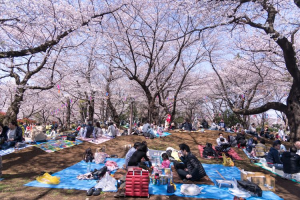
Hanami biasanya dilakukan di taman-taman kota, taman kota, atau di tepi sungai di mana pohon-pohon sakura ditanam. Orang-orang membawa tikar, makanan, dan minuman untuk piknik di bawah pohon-pohon sakura yang mekar. Tradisi ini tidak hanya tentang menikmati keindahan bunga, tetapi juga tentang bersosialisasi dan menghabiskan waktu bersama keluarga dan teman-teman.

festival-jepang-hanami

Tips dan Peraturan

  1. Jangan Memetik Kelopak Bunga: Salah satu aturan utama dalam hanami adalah tidak memetik kelopak bunga sakura. Ini adalah tindakan yang dianggap tidak sopan dan merusak keindahan alam47.
  2. Bersihkan Sampah: Setelah piknik, pastikan untuk membersihkan semua sampah yang dibawa. Ini adalah bagian penting dari tata krama hanami untuk menjaga kebersihan lingkungan.
  3. Hindari Memanjat Pohon: Memanjat pohon sakura juga dianggap tidak sopan dan dapat merusak pohon47.

Fakta Menarik tentang Hanami

  1. Perayaan Massal: Hanami sering kali menjadi perayaan massal di mana ribuan orang berkumpul di taman-taman kota untuk menikmati keindahan bunga sakura.
  2. Pesta di Malam Hari: Selain di siang hari, hanami juga bisa dilakukan di malam hari dengan penerangan khusus yang disebut “yozakura” (bunga sakura malam).
  3. Pertunjukan Tradisional: Selama hanami, sering kali diadakan pertunjukan tradisional seperti musik, tarian, dan teater.

Hanami adalah tradisi yang sangat kaya dan berarti bagi masyarakat situs slot server jepang. Selain menikmati keindahan alam, hanami juga menjadi momen untuk bersosialisasi dan menghargai keindahan musim semi. Dengan mematuhi aturan dan tata krama yang ada, setiap orang dapat menikmati tradisi ini dengan cara yang paling menghormati dan menghargai alam serta budaya Jepang.

Dengan demikian, hanami bukan hanya sekadar melihat bunga, tetapi juga menjadi bagian dari kehidupan sehari-hari dan budaya Jepang yang kaya dan beragam.

Australia: Down Under Serenity

ist-pasion.com – Australia, often referred to as “Down Under,” is a land of diverse landscapes, unique wildlife, and a laid-back lifestyle that embodies a sense of serenity. From its stunning coastlines to its vibrant cities, Australia offers a captivating blend of natural beauty and cultural richness.

Natural Wonders and Breathtaking Landscapes

Australia is home to some of the world’s most iconic natural wonders. The Great Barrier Reef, the largest coral reef system, is a paradise for divers and marine enthusiasts. The vast Outback, with its rugged landscapes and red deserts, offers a glimpse into the country’s untamed wilderness. Meanwhile, the lush rainforests of the Daintree and the stunning beaches of the Gold Coast invite relaxation and exploration.

Unique Wildlife and Conservation Efforts

Australia’s wildlife is as diverse as its landscapes, with many species found nowhere else on Earth. From kangaroos and koalas to the elusive platypus, the country’s fauna captivates nature lovers and wildlife enthusiasts. Australia is committed to conservation, with numerous national parks and reserves dedicated to protecting its unique ecosystems and biodiversity.

Vibrant Cities and Cultural Diversity

Australia’s cities, such as Sydney, Melbourne, and Brisbane, are known for their vibrant arts scenes, multicultural communities, and dynamic lifestyles. Sydney’s iconic Opera House and Harbour Bridge are architectural marvels, while Melbourne’s thriving coffee culture and street art reflect its creative spirit. The country’s cultural diversity is celebrated through festivals, cuisine, and a welcoming atmosphere.

Indigenous Heritage and Modern Identity

Australia’s Indigenous cultures, rich in history and tradition, are an integral part of the nation’s identity. Visitors can learn about the ancient stories and customs of Aboriginal and Torres Strait Islander peoples through cultural tours, art galleries, and heritage sites. This deep connection to the land is interwoven with Australia’s modern identity, creating a unique cultural tapestry.

A Relaxed Lifestyle and Outdoor Adventures

Australians are known for their relaxed and friendly demeanor, embodying a lifestyle that embraces the great outdoors. Whether it’s surfing on Bondi Beach, hiking in the Blue Mountains, or enjoying a barbecue with friends, the emphasis on leisure and adventure is palpable. This spirit of relaxation and enjoyment makes Australia a haven for those seeking a serene escape.

In conclusion, Australia’s allure lies in its ability to offer serenity and adventure in equal measure. With its stunning natural beauty, rich cultural diversity, and welcoming atmosphere, Australia invites visitors to experience the tranquility and wonder of life Down Under.

Menyelam di Kepulauan Koh Tang: Surga Bawah Laut Kamboja

ist-pasion – Koh Tang, sebuah gugusan pulau di lepas pantai Kamboja, telah lama menjadi destinasi impian bagi para penyelam. Terletak sekitar 52 kilometer di barat daya Sihanoukville, Kepulauan Koh Tang dikenal dengan perairannya yang jernih, keanekaragaman hayati laut yang melimpah, dan terumbu karang yang masih alami. Tak heran jika kawasan ini sering disebut sebagai “surga bawah laut” Kamboja.

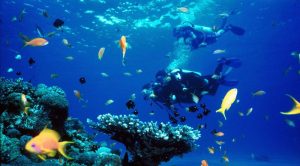
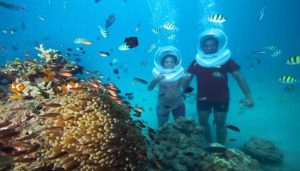
Kepulauan Koh Tang menawarkan pemandangan bawah laut yang luar biasa. Airnya yang bening dan visibilitas yang tinggi membuatnya ideal untuk aktivitas menyelam dan snorkeling. Terumbu karang yang menghiasi dasar laut di sekitar pulau ini penuh warna dan menjadi rumah bagi berbagai spesies ikan tropis, kura-kura laut, dan makhluk laut lainnya.

Bagi penyelam yang mencari tantangan, Koh Tang menawarkan dinding-dinding laut yang curam dengan kedalaman yang bervariasi. Sementara itu, bagi penyelam pemula, perairan dangkal yang tenang di sekitar beberapa bagian pulau juga menyediakan pengalaman menyelam yang aman dan menakjubkan. Salah satu daya tarik utama di Koh Tang adalah adanya spesies laut langka, seperti hiu bambu dan ikan pari manta yang sering terlihat di sekitar terumbu karang.

menyelam-di-kepulauan-koh-tang-surga-bawah-laut-kamboja

Koh Tang memiliki beberapa situs menyelam yang terkenal, di antaranya:

  1. Explosion Reef: Salah satu spot menyelam paling populer di Koh Tang. Terumbu karang ini dinamai karena keindahannya yang meledak dengan warna dan kehidupan laut. Penyelam dapat menemukan anemon laut, bintang laut, dan berbagai jenis ikan karang berwarna-warni.
  2. The Corral Garden: Sesuai namanya, spot ini adalah taman bawah laut dengan formasi terumbu karang yang indah. Tempat ini juga menjadi favorit bagi fotografer bawah laut karena keberagaman biota lautnya yang melimpah.
  3. The Drop-Off: Spot ini menampilkan dinding laut dengan kedalaman yang sangat curam, menawarkan pengalaman menyelam yang dramatis. Penyelam dapat menjelajahi celah-celah di dinding batu sambil mengamati kehidupan laut seperti gurita, kepiting besar, dan ikan pelagis.

Untuk mencapai Kepulauan Koh Tang, pengunjung harus melakukan perjalanan dengan perahu dari Sihanoukville, yang memakan waktu sekitar 4-5 jam. Walaupun lokasinya cukup terpencil, banyak operator tur menawarkan paket menyelam yang sudah termasuk transportasi, peralatan, dan instruktur menyelam berpengalaman. Para penyelam juga disarankan untuk memiliki lisensi menyelam sebelum mencoba spot-spot yang lebih dalam.

Karena kondisi perairan yang jernih sepanjang tahun, Koh Tang dapat dikunjungi kapan saja, meskipun musim terbaik untuk menyelam adalah antara bulan November hingga Mei, ketika visibilitas air mencapai puncaknya.

menyelam-di-kepulauan-koh-tang-surga-bawah-laut-kamboja

Salah satu tantangan yang dihadapi oleh Koh Tang adalah ancaman kerusakan ekosistem laut akibat aktivitas manusia. Oleh karena itu, pemerintah Kamboja dan beberapa organisasi lingkungan telah berupaya untuk melindungi terumbu karang di kawasan ini melalui program konservasi dan kampanye kesadaran lingkungan. Penyelam dan pengunjung diimbau untuk mengikuti aturan yang berlaku, termasuk tidak menyentuh terumbu karang dan membuang sampah sembarangan.

Keindahan bawah laut Koh Tang adalah aset yang sangat berharga, tidak hanya bagi Kamboja tetapi juga bagi para penyelam dari seluruh dunia. Dengan konservasi yang tepat, keindahan ini diharapkan dapat dinikmati oleh generasi mendatang.

Menyelam di Kepulauan Koh Tang slot kamboja adalah pengalaman yang tak terlupakan. Dengan kekayaan biota laut yang melimpah, perairan yang jernih, dan berbagai spot menyelam yang menakjubkan, Koh Tang memang layak disebut sebagai salah satu surga bawah laut terbaik di Asia Tenggara. Bagi penyelam pemula maupun berpengalaman, menjelajahi alam bawah laut Koh Tang akan menjadi petualangan yang tak terlupakan.

Qatar Successfully Defends Asian Cup Title

ist-pasion.com – Qatar has successfully defended its title as the champions of the AFC Asian Cup, securing a back-to-back victory in the prestigious tournament. The victory came after a thrilling final match where Qatar defeated Jordan with a score of 3-1, thanks to a hat-trick of penalties by Akram Afif.

A Strong Start and Consistent Performance

Qatar’s journey to retaining the title began with a strong start in the tournament opener, where they defeated Lebanon 3-0. Akram Afif played a crucial role in this match, scoring a brace to kick off their title defense. The team continued to perform consistently throughout the tournament, facing medusa88 login tough competition from star-studded teams like Japan and South Korea.

The Final Match

The final match against Jordan was a testament to Qatar’s resilience and skill. Despite Jordan’s strong performance and their status as the tournament’s surprise package, Qatar managed to secure the win with three penalty goals scored by Afif. This victory not only solidified Qatar’s position as a dominant force in Asian football but also marked a significant achievement for the team, as they became the second team after Japan to successfully defend the Asian Cup title in the 21st century.

Coach’s Perspective

Qatar’s coach, Tintin Marquez, expressed his team’s appreciation for the “positive pressure” of playing on home soil. He highlighted that the team embraced the challenge and the expectations that came with being the defending champions.

Celebrating the Victory

The victory was celebrated with great enthusiasm in Qatar, with the team receiving accolades for their performance. Akram Afif, who was instrumental in the final match, was awarded the Most Valuable Player (MVP) and the Golden Boot for his impressive goal-scoring record throughout the tournament.

Qatar’s success in the AFC Asian Cup not only cements their status as a formidable team in Asian football but also sets a high standard for future tournaments. The team’s ability to perform under pressure and their consistent performance throughout the tournament are a testament to their dedication and skill.

Beyond the Moai: Easter Island’s Natural Wonders

ist-pasion.com – Nestled in the vast Pacific Ocean, Easter Island, or Rapa Nui as it is known locally, is a place of profound mystery and natural beauty. While the island is world-renowned for its enigmatic Moai statues, there is much more to this remote Chilean territory than meets the eye. Beyond the iconic stone figures, Easter Island boasts a plethora of natural wonders that captivate the hearts and minds of visitors and researchers alike.

The Enigmatic Moai: A Starting Point

The Moai statues are the most famous feature of Easter Island, with over 900 of these monolithic figures scattered across the landscape. These colossal heads, with their serene expressions and elongated ears, are a testament to the advanced civilization that once thrived here. The creation and purpose of the Moai remain subjects of intense study and debate, but they are just the beginning of the island’s allure.

The Lush Landscapes of Rapa Nui

Despite its small size, Easter Island is home to a diverse range of ecosystems. The island’s interior is a lush, green expanse, with rolling hills and valleys that are a stark contrast to the arid coastal regions. Here, visitors can explore the Anakena Beach, with its golden sands and clear waters, or venture into the Rano Raraku crater, the quarry where the Moai were carved from volcanic rock.

The Unique Flora and Fauna

Easter Island’s isolation has led to the development of unique flora and fauna. The Toromiro tree, now extinct in the wild, was once endemic to the island. Conservation efforts have seen the species reintroduced, with the hope of preserving this rare piece of Rapa Nui’s natural heritage. The island is also home to a variety of bird species, including the Easter Island rail, which is found nowhere else on Earth.

The Cultural Significance of the Land

For the Rapa Nui people, the land is more than just a backdrop to their daily lives; it is a living entity, deeply intertwined with their culture and history. The island’s natural features are often linked to creation myths and ancestral beliefs, making every hill and valley a site of spiritual significance.

The Challenges of Conservation

The preservation of Easter Island’s natural wonders is not without its challenges. The island’s fragile ecosystem is under threat from invasive species, climate change, and the pressures of tourism. Conservation efforts are ongoing, with a focus on sustainable practices that balance the needs of the local community with the preservation of the island’s unique environment.

Conclusion

Easter Island is a place of contrasts, where the mysteries of the past meet the challenges of the present. Beyond the iconic Moai, the island’s natural wonders offer a glimpse into a world that is both ancient and ever-evolving. As we continue to uncover the secrets of Rapa Nui, it is our responsibility to protect and preserve this unique slice of paradise for future generations.

Nauru’s Efforts in Climate Change Adaptation

ist-pasion.com – Nauru, a small island nation in the Pacific, is highly vulnerable to the impacts of climate change. With a total land area of only 21.2 square kilometers, the country faces significant challenges in adapting to rising sea levels, increased frequency of extreme weather events, and other climate-related issues. Despite these challenges, Nauru has been actively working on developing and implementing strategies to enhance its resilience to climate change.

Vulnerability to Climate Change

Nauru’s vulnerability to climate change is exacerbated by its small size, lack of economic independence, and remote location. The country is particularly susceptible to sea-level rise, which threatens its limited land area and freshwater resources. Additionally, Nauru experiences increased frequency and intensity of tropical cyclones, which can cause severe damage to infrastructure and disrupt essential services.

National Adaptation Planning

To address these challenges, Nauru has embarked on a comprehensive National Adaptation Planning (NAP) process. The NAP is a phased approach aimed at streamlining adaptation efforts and developing a robust national strategy to combat the effects of climate change. Phase One of the NAP focuses on addressing capacity and institutional challenges, strengthening governance and institutional coordination, and raising public awareness about climate change risks.

Key Initiatives and Projects

Several key initiatives and projects have been undertaken to support Nauru’s adaptation efforts:

  1. National Adaptation Project: This project presents preliminary findings on Nauru’s vulnerability to climate change impacts and aims to help the people of Nauru adapt to these challenges. It includes a focus on strengthening governance and institutional coordination, which are critical for effective adaptation planning.
  2. Scaling Up Pacific Adaptation (SUPA): As part of the Pacific Community’s (SPC) Global Climate Change Alliance Plus (GCCA+), Nauru is participating in the SUPA program. This program aims to scale up adaptation efforts across the Pacific region, addressing technical capacity constraints and raising public awareness about climate change risks.
  3. Loss and Damage: Recognizing that some climate change impacts may exceed Nauru’s adaptive capacity, the country has included an eighth area of contributions focused on loss and damage. This area aims to address the adverse effects of climate change that cannot be avoided through adaptation measures alone.

Challenges and Support Needs

Despite its efforts, Nauru faces several challenges in its adaptation efforts. These include a lack of economic independence, technical capacity constraints, and the need for new approaches to disaster risk reduction. Without adequate support, these challenges could hinder the country’s ability to effectively adapt to climate change.

Conclusion

Nauru’s efforts in climate change adaptation demonstrate a commitment to addressing the significant risks posed by global climate change. Through comprehensive planning, key initiatives, and international support, Nauru is working to build its resilience and ensure the well-being of its people in the face of a changing climate. Continued support and collaboration will be essential to the success of these efforts.

A Parliamentary Democracy: Iceland’s Political System

ist-pasion.com – Iceland, a small island nation in the North Atlantic, boasts a political system that is both ancient and modern. Known for its unique blend of historical traditions and contemporary democratic practices, Iceland’s political framework is a model of parliamentary democracy. This article delves into the structure and functioning of Iceland’s political system, highlighting its key components and historical significance.

Historical Context

Iceland’s political system has deep roots in its history. The Althingi, Iceland’s national parliament, was established in 930 AD, making it the world’s oldest extant parliament. This ancient institution has been a cornerstone of Icelandic governance, evolving over the centuries to adapt to modern democratic principles.

Structure of the Government

Iceland operates as a parliamentary representative democratic republic, where the President serves as the head of state, and the Prime Minister acts as the head of government. The country’s political system is characterized by a separation of powers among the executive, legislative, and judicial branches.

Executive Branch

The executive power in Iceland is vested in the government, which is led by the Prime Minister. The Prime Minister is typically the leader of the majority party or coalition in the Althingi and is appointed by the President. The government is responsible for implementing policies and managing the day-to-day affairs of the state.

Legislative Branch

The legislative power is held by the Althingi, a unicameral parliament consisting of 63 members elected by proportional representation for four-year terms. The Althingi is responsible for enacting laws, approving the state budget, and overseeing the work of the government. The President also plays a role in the legislative process, as laws must be signed by the President to take effect.

Judicial Branch

The judicial branch is independent of the executive and legislative branches. It comprises a hierarchy of courts, with the Supreme Court at the top. The judiciary is responsible for interpreting the law and ensuring that it is applied fairly and consistently.

Political Culture and Democracy

Iceland is renowned for its strong democratic traditions and commitment to political rights and civil liberties. The country has consistently been rated as one of the most democratic nations in the world, with a robust system of checks and balances to prevent the abuse of power. The direct election of the President by the people further underscores the democratic nature of the Icelandic political system.

Conclusion

Iceland’s political system exemplifies a well-functioning parliamentary democracy, blending historical continuity with modern democratic principles. The separation of powers, the role of the Althingi, and the direct election of the President are key elements that contribute to the stability and effectiveness of Iceland’s governance. As one of the oldest parliamentary democracies in the world, Iceland continues to serve as a model for democratic governance.

Australian Education System: Policy Structure and Achievements

ist-pasion.com – The Australian education system is renowned for its quality and accessibility, offering a comprehensive framework that caters to the diverse needs of students from early childhood through to tertiary education. The system is primarily the responsibility of individual states and territories, with the federal government playing a role in funding and setting national standards.

Structure of the Education System

Early Childhood Education

Early childhood education in Australia includes preschool and kindergarten programs, which are designed to prepare children for formal schooling. These programs focus on play-based learning and aim to develop social, emotional, and cognitive skills.

Primary and Secondary Education

Primary education typically spans from Prep (or Kindergarten) to Year 6, while secondary education covers Years 7 to 12. The curriculum is standardized across the country through the Australian Curriculum, which outlines the core knowledge, skills, and capabilities students should acquire.

Tertiary Education

Tertiary education in Australia includes vocational education and training (VET) and higher education. VET institutions offer practical, job-specific training across a wide range of industries. Higher education is provided by universities and includes undergraduate and postgraduate degrees.

Key Policies and Initiatives

National Assessment Program – Literacy and Numeracy (NAPLAN)

NAPLAN is a national assessment for students in Years 3, 5, 7, and 9, focusing on literacy and numeracy skills. The results provide valuable data on student performance and inform educational policy and practice.

My School Website

The My School website provides detailed information on every school in Australia, including student performance, demographics, and funding. This transparency aims to promote accountability and enable parents and communities to make informed decisions about education.

Higher Education Contribution Scheme (HECS) and HELP

The HECS and HELP schemes allow students to defer the cost of their higher education and repay the debt through the tax system once they are earning above a certain threshold. This ensures that education is accessible regardless of financial background.

Achievements and Challenges

International Reputation

Australia’s education system is highly regarded internationally, with universities consistently ranking among the world’s best. The country also attracts a significant number of international students, contributing to its cultural diversity and economy.

Equity and Access

Efforts to improve equity and access to education have seen improvements in participation rates among disadvantaged groups. However, challenges remain, particularly in closing the achievement gap between Indigenous and non-Indigenous students.

Innovation and Adaptability

The Australian education system has shown a capacity for innovation and adaptability, particularly in response to technological advancements and global trends. The integration of digital technologies and flexible learning modes has prepared students for the demands of the modern workforce.

Conclusion

The Australian education system is a complex and dynamic framework that reflects the country’s commitment to quality education for all. Through a combination of national standards, local governance, and a focus on equity and innovation, Australia continues to build on its achievements and address the challenges of the 21st century.

A Calendar of Traditions: Switzerland’s Public Holidays

ist-pasion.com – Switzerland, a country known for its stunning landscapes, precision timekeeping, and neutrality, also boasts a rich tapestry of cultural traditions woven into its public holidays. These holidays are not just days off from work; they are vibrant celebrations that reflect the country’s history, religious diversity, and regional identities. This article explores the key public holidays in Switzerland, each with its unique customs and significance.

New Year’s Day (January 1)

The year kicks off with New Year’s Day, a public holiday marked by fireworks, parties, and a traditional meal called “Raclette” or “Fondue” shared among friends and family. It’s a time for new beginnings and setting resolutions.

Berchtold’s Day (January 2)

Unique to Switzerland, Berchtold’s Day is celebrated on January 2. It commemorates Saint Berchtold, with people engaging in activities such as walking in the countryside, visiting friends, and enjoying a day of relaxation.

Good Friday (March/April)

Good Friday is a religious holiday observed by Christians, marking the crucifixion of Jesus Christ. It is a day of reflection and prayer, with many attending church services and processions.

Easter Sunday and Monday (March/April)

Easter is a moveable feast, celebrated on the first Sunday after the first full moon occurring on or after the vernal equinox. It marks the resurrection of Jesus Christ. Families gather for meals, and children participate in egg hunts, a tradition that has become popular across Switzerland.

Labor Day (May 1)

Labor Day, or May Day, is celebrated with parades, picnics, and political rallies. It’s a day that honors the workers’ movement and the social and economic achievements of workers.

Ascension Day (May/June)

Ascension Day, which falls 40 days after Easter, commemorates the ascension of Jesus Christ into heaven. It is marked by church services and family gatherings.

Whit Sunday and Whit Monday (May/June)

Also known as Pentecost, Whit Sunday and Monday come 50 days after Easter. They celebrate the descent of the Holy Spirit upon the disciples of Jesus Christ. It’s a time for religious services and family gatherings.

National Day (August 1)

Switzerland’s National Day, celebrated on August 1, commemorates the foundation of the Swiss Confederacy in 1291. It’s a day of patriotic pride, with parades, fireworks, and the hoisting of the Swiss flag.

Christmas Day (December 25)

Christmas Day is a religious holiday celebrating the birth of Jesus Christ. Families gather for meals, exchange gifts, and attend church services. It’s a time of joy and togetherness.

Boxing Day (December 26)

Boxing Day, the day after Christmas, is a public holiday in some Swiss cantons. It’s a day for spending time with family, relaxing, and enjoying the festive season.

Conclusion

Switzerland’s public holidays are a reflection of the country’s cultural diversity, religious traditions, and historical milestones. Each holiday, with its unique customs and celebrations, contributes to the rich tapestry of Swiss life. Whether through religious observance, national pride, or family gatherings, these holidays are an integral part of Switzerland’s identity, bringing people together in celebration and reflection.

A Journey Through Nature: The Wildlife of Suriname

ist-pasion.com – Suriname, a small country on the northeastern coast of South America, is a hidden gem for wildlife enthusiasts. With its vast rainforests, diverse ecosystems, and a plethora of species, Suriname offers a unique opportunity to explore the natural world. This article delves into the rich tapestry of wildlife that thrives in Suriname, providing a glimpse into the country’s unparalleled biodiversity.

The Rainforests of Suriname

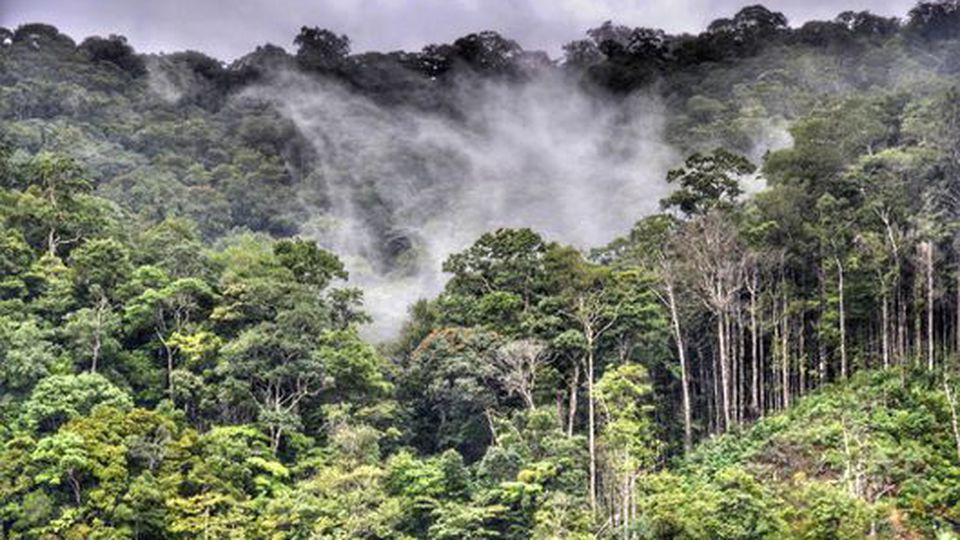
Suriname’s rainforests are among the most pristine in the world, covering approximately 90% of the country. These forests are home to an incredible array of flora and fauna, with many species found nowhere else on Earth. The Central Suriname Nature Reserve, a UNESCO World Heritage Site, is a prime example of the country’s commitment to conservation and offers a sanctuary for wildlife.

Wildlife Highlights

Suriname is renowned for its diverse wildlife, including the jaguar, the national animal, which roams the dense forests. The country is also home to the harpy eagle, the giant otter, and the capybara, the world’s largest rodent. The rivers and wetlands are teeming with life, including the endangered West Indian manatee and the elusive black caiman.

Conservation Efforts

Suriname’s government and various organizations are working tirelessly to protect its wildlife. The establishment of protected areas and the implementation of sustainable tourism practices are key strategies in conservation efforts. These initiatives not only preserve the natural habitat but also provide economic benefits to local communities through eco-tourism.

The Importance of Suriname’s Wildlife

The wildlife of Suriname plays a crucial role in maintaining the ecological balance of the region. The country’s biodiversity is a testament to the health of its ecosystems and serves as a vital resource for scientific research and education. Moreover, the preservation of Suriname’s wildlife is essential for the survival of many species that are threatened by habitat loss and climate change.

Conclusion

Suriname’s wildlife is a treasure that deserves to be preserved for future generations. By understanding and appreciating the natural beauty and biodiversity of this remarkable country, we can contribute to the conservation of its precious ecosystems. A journey through the wildlife of Suriname is not just an adventure; it’s a journey through nature at its most untouched and awe-inspiring.

The Gambia’s Role in International Relations: Diplomacy & Cooperation

ist-pasion.com – The Gambia, a small West African nation, has carved out a significant role for itself in the international arena, leveraging diplomacy and cooperation to enhance its global standing and contribute to regional stability. Despite its modest size, The Gambia has demonstrated a commitment to engaging constructively with the international community, participating in various multilateral forums, and fostering partnerships that transcend its physical and economic limitations.

Diplomatic Engagements

The Gambia’s diplomatic engagements are characterized by a proactive approach to international relations. The country has been an active member of several international organizations, including the United Nations, the African Union, and the Economic Community of West African States (ECOWAS). Through these platforms, The Gambia has sought to promote peace, security, and development, aligning its foreign policy with the principles of good governance, human rights, and sustainable development.

Peace and Security

One of the key areas where The Gambia has made its mark is in peace and security. The Gambian government has been a strong advocate for conflict resolution and has participated in peacekeeping missions under the auspices of the UN and ECOWAS. The country’s commitment to peace is also evident in its role in mediating regional disputes and promoting dialogue among conflicting parties.

Economic Cooperation

Economically, The Gambia has pursued a strategy of cooperation and integration to boost its development. By engaging in trade agreements and partnerships with neighboring countries and international bodies, The Gambia has sought to diversify its economy and attract foreign investment. The country’s participation in regional economic communities, such as ECOWAS and the West African Economic and Monetary Union (WAEMU), has facilitated the flow of goods, services, and people across borders, contributing to regional economic growth.

Cultural Diplomacy

The Gambia has also utilized cultural diplomacy as a tool to strengthen its international relations. The country’s rich cultural heritage, including its music, art, and festivals, has served as a bridge to connect with other nations. Cultural exchanges and tourism have not only promoted mutual understanding but have also contributed to The Gambia’s economy.

Conclusion

The Gambia’s role in international relations is a testament to the impact that small nations can have on the global stage when they leverage diplomacy and cooperation. By engaging constructively with the international community, The Gambia has not only advanced its national interests but has also contributed to the broader goals of peace, security, and development. As the international landscape continues to evolve, The Gambia’s diplomatic efforts will remain crucial in shaping its future and that of the region.

The Kenyan Entrepreneur: Driving Innovation & Economic Growth

ist-pasion.com – Kenya has emerged as a hotspot for entrepreneurial activity in Africa, with a burgeoning ecosystem that supports and facilitates the success of entrepreneurs. The country’s strategic location, a relatively stable economy, and a young, tech-savvy population have created a fertile ground for innovation. Kenyan entrepreneurs are at the forefront of this movement, leveraging technology and local insights to develop solutions that address both local and global challenges.

Key Sectors of Entrepreneurial Activity

The Kenyan entrepreneurial landscape is diverse, with significant activity in several key sectors. These include:

  • Agriculture Tech (AgTech): Kenyan entrepreneurs are developing innovative solutions to improve agricultural productivity, from mobile apps that provide farmers with market information to IoT devices that monitor crop health.
  • Financial Technology (FinTech): Kenya is a leader in mobile money, with M-Pesa being a prime example. Entrepreneurs are building on this foundation to offer a range of financial services, including savings, loans, and insurance products.
  • Health Tech (HealthTech): Innovations in healthcare are addressing issues such as access to medical information and telemedicine, helping to bridge the gap in healthcare services.
  • Renewable Energy: With a focus on sustainability, Kenyan entrepreneurs are developing solutions for renewable energy, including solar power, which is particularly relevant in rural areas.

The Role of Government and Support Systems

The Kenyan government has recognized the importance of entrepreneurship in driving economic growth and has implemented policies to support entrepreneurs. Initiatives such as the Kenya National Innovation and Intellectual Property Strategy aim to create an enabling environment for innovation. Additionally, incubators, accelerators, and co-working spaces have proliferated, providing entrepreneurs with the resources and networks they need to succeed.

Challenges and Opportunities

Despite the promising environment, Kenyan entrepreneurs face challenges such as access to capital, regulatory hurdles, and infrastructure gaps. However, these challenges also present opportunities for growth and innovation. Entrepreneurs who can navigate these obstacles are well-positioned to not only succeed in the Kenyan market but also to expand regionally and globally.

Success Stories and Inspirations

Kenya’s entrepreneurial ecosystem has produced several success stories that inspire the next generation of entrepreneurs. From tech startups that have scaled internationally to social enterprises that have made a significant impact on communities, these stories highlight the potential for Kenyan entrepreneurs to drive economic growth and social change.

Conclusion

The Kenyan entrepreneur is a key player in the country’s economic growth and innovation landscape. With the right support and resources, these entrepreneurs have the potential to not only transform Kenya but also to make significant contributions to the global economy. As the ecosystem continues to mature, the world will undoubtedly see more success stories emerging from this vibrant and dynamic community.

Diversity and Unity: Jamaica’s Religious Landscape

ist-pasion.com – Jamaica, a vibrant island nation in the Caribbean, is renowned for its rich cultural tapestry, which includes a diverse and dynamic religious landscape. This article explores the various religious traditions practiced in Jamaica, highlighting how they contribute to the country’s social fabric and foster a sense of unity amidst diversity.

The Dominant Religions in Jamaica

Christianity

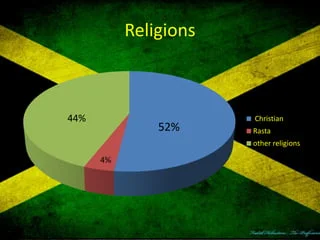
Christianity is the predominant religion in Jamaica, with the majority of the population identifying as Christians. The Christian community is further divided into several denominations, with Protestantism being the most prevalent, including churches such as the Church of God, Seventh-day Adventist, Baptist, and Pentecostal. The Roman Catholic Church also has a significant presence on the island.

Rastafarianism

Rastafarianism, a religious movement that originated in Jamaica in the 1930s, is another key component of the country’s religious landscape. Rastafarians worship Haile Selassie I, the former Emperor of Ethiopia, as the incarnation of God, and their beliefs are centered around themes of peace, love, and unity. The movement has had a profound influence on Jamaican culture, particularly in music and social thought.

Other Religions

While Christianity and Rastafarianism are the most visible religions, Jamaica’s religious landscape also includes other faiths such as Islam, Hinduism, and Buddhism. These religions are practiced by smaller but active communities, contributing to the island’s religious diversity.

Unity in Diversity

Despite the variety of religious beliefs, Jamaica’s religious landscape is characterized by a strong sense of unity. This unity is fostered through shared values such as respect, tolerance, and community. Religious festivals and events often attract participants from various faiths, promoting interfaith dialogue and understanding.

Challenges and Opportunities

The coexistence of different religions in Jamaica is not without its challenges. Issues such as religious stereotyping and occasional tensions between groups can arise. However, these challenges also present opportunities for growth and learning. Through education and open dialogue, Jamaicans continue to build bridges across religious divides, strengthening the social cohesion that is essential for a harmonious society.

Conclusion

Jamaica’s religious landscape is a testament to the island’s capacity to embrace diversity while fostering unity. The various religious traditions practiced in Jamaica enrich the cultural mosaic and contribute to the country’s identity. As Jamaica continues to navigate the complexities of religious diversity, the principles of respect, tolerance, and community remain the cornerstones of its social fabric, ensuring that the nation remains a beacon of unity in diversity.

From Skiing to Rugby: Andorra’s Sports

ist-pasion.com – Andorra, nestled in the Pyrenees mountains between France and Spain, is a small nation with a rich sporting culture that spans from winter sports to rugby. Despite its diminutive size, Andorra has made a significant mark in the sporting world, particularly in skiing and rugby, showcasing the country’s versatility and passion for sports.

Skiing: A Winter Tradition

Andorra’s most iconic sport is undoubtedly skiing, a tradition deeply ingrained in the country’s culture due to its mountainous terrain. With over 300 kilometers of slopes, Andorra is a paradise for skiers and snowboarders alike. The country’s ski resorts, such as Grandvalira and Vallnord, are among the most popular in Europe, attracting both professional athletes and recreational enthusiasts. Andorran skiers have represented the country in international competitions, including the Winter Olympics, showcasing the nation’s prowess in this winter sport.

Rugby: A Growing Passion

While skiing is a longstanding tradition, rugby has emerged as a growing passion in Andorra. The Andorra national rugby union team, nicknamed the “Dragons,” has been gaining recognition and success in international competitions. Despite the challenging conditions of playing rugby at high altitudes, the Andorran team has demonstrated resilience and skill, competing in the Rugby Europe Championship and other tournaments. The sport’s popularity has also led to the establishment of local clubs and youth programs, fostering a new generation of rugby players.

Other Sports

Andorra’s sporting landscape is not limited to skiing and rugby. The country has also made strides in other sports such as cycling, with Andorran cyclists participating in international races and the Tour de France. Additionally, Andorra has a competitive national football team and has hosted various sporting events, including the Alpine Skiing World Cup.

Conclusion

Andorra’s sports culture is a testament to the nation’s spirit and resilience. From the icy slopes of its ski resorts to the rugged fields where rugby is played, Andorra has carved out a unique place in the world of sports. As the country continues to develop its sporting infrastructure and support its athletes, Andorra’s reputation as a sporting nation is sure to grow, inspiring both locals and visitors alike.

Emerging Talent and Stories: The Albanian Film Industry

ist-pasion.com – The Albanian film industry, once a niche sector with limited international exposure, has been undergoing a remarkable transformation. Emerging talents and compelling stories are bringing fresh perspectives to the global cinema scene, challenging stereotypes and showcasing the rich cultural tapestry of Albania. This article delves into the burgeoning talents and narratives that are reshaping perceptions of Albanian cinema.

A Brief History of Albanian Cinema

Albanian cinema has its roots in the early 20th century, but it was during the communist era that it gained some prominence, albeit with heavy state control. The fall of communism in 1991 opened the floodgates for a more diverse and independent film industry. Despite financial and infrastructural challenges, Albanian filmmakers have persisted, carving out a unique space for their stories on the world stage.

Emerging Talents

The new wave of Albanian filmmakers is a testament to the country’s burgeoning creative energy. Directors like Gentian Koliqi, with his critically acclaimed film “The Marriage of Maria Braun,” and Iris Elezi, known for her work in “When I Grow Up, I’ll Be a Dancer,” are pushing the boundaries of Albanian cinema. Their work, characterized by deep emotional narratives and poignant social commentary, has garnered international attention, signaling a new era for Albanian film.

Compelling Stories

Albanian films often draw from the country’s tumultuous history and the complexities of its society. Stories of migration, the impact of communism, and the struggle for identity resonate with universal themes, making them accessible to a global audience. Films like “The Return of Elijah” and “The Forgotten Mountain” explore the human condition in the context of Albania’s unique history, offering viewers a window into the country’s soul.

International Recognition

The international film festival circuit has become a launching pad for Albanian cinema. Films from Albania have been featured in prestigious festivals such as Cannes, Venice, and Berlin, earning accolades and critical acclaim. This recognition has not only boosted the profile of Albanian cinema but also provided a platform for these emerging talents to share their stories with a wider audience.

Challenges and Opportunities

Despite the growing recognition, the Albanian film industry faces significant challenges, including limited funding and resources. However, the determination and creativity of its filmmakers, coupled with increasing international interest, present opportunities for growth and development. Initiatives to support local talent and foster collaborations with international partners are crucial for the continued evolution of Albanian cinema.

Conclusion

The Albanian film industry, with its emerging talents and compelling stories, is on the cusp of a renaissance. As these filmmakers continue to break barriers and share their unique narratives with the world, they are not only enriching the global cinema landscape but also challenging perceptions and fostering a deeper understanding of Albania’s rich cultural heritage. The future of Albanian cinema is bright, and it promises to bring even more captivating stories to the screen.

China’s Global Development Strategy: Belt and Road Initiative

ist-pasion.com – The Belt and Road Initiative (BRI), adopted by the Chinese government in 2013, is a global development strategy adopted by the Chinese government in 2013 to invest in infrastructure and economic development in countries across Asia, Europe, and Africa. This ambitious project, also known as “One Belt, One Road,” is one of the most significant global development strategies of the 21st century, aiming to invest in infrastructure and economic development in countries across Asia, Europe, and Africa.

The Vision of the Belt and Road Initiative

The BRI is envisioned as a 21st-century Silk Road, reviving the ancient trade routes that connected China with the rest of the world. It is composed of two main components: the land-based “Silk Road Economic Belt” and the “21st Century Maritime Silk Road.” The initiative aims to invest in infrastructure such as roads, railways, ports, and telecommunications, as well as energy and industrial parks.

Strategic Objectives

The strategic objectives of the Belt and Road Initiative are multifaceted, including:

Economic Development

By investing in infrastructure, the BRI aims to stimulate economic growth and development in participating countries, creating new trade routes and opportunities for Chinese companies to expand abroad.

Geopolitical Influence

The initiative also serves as a tool for China to expand its geopolitical influence, building relationships with countries across the globe and securing access to resources and markets.

Soft Power Projection

Through the BRI, China is also projecting its soft power, promoting its model of governance and economic development as an alternative to Western models.

Implementation and Challenges

The implementation of the Belt and Road Initiative involves a complex web of bilateral agreements, investments, and projects. While it has led to significant infrastructure development in many countries, it has also faced challenges and criticism.

Financial Sustainability

One of the main criticisms is the financial sustainability of the projects, with concerns that some countries may struggle to repay the loans provided by China.

Environmental Concerns

There are also environmental concerns, as some projects have been criticized for their impact on local ecosystems and for not adhering to international environmental standards.

Geopolitical Tensions

The initiative has also sparked geopolitical tensions, with some countries and regions viewing it as a means for China to extend its influence and control.

Conclusion

The Belt and Road Initiative is a testament to China’s ambition to play a leading role in the global economy and international relations. While it has the potential to transform global trade and development, it also faces significant challenges that will shape its future impact. As the initiative continues to evolve, it will be crucial for China and its partners to address these challenges to ensure that the BRI contributes positively to global development and stability.

From Braga to Évora: Portugal’s Roman Legacy

ist-pasion.com – Portugal, a country with a rich tapestry of historical influences, boasts a significant Roman legacy that spans from the northern city of Braga to the southern town of Évora. This legacy is not just a testament to the architectural prowess and engineering skills of the Roman Empire but also a reflection of the deep cultural and societal impacts that the Romans had on the Iberian Peninsula.

The Northern Echoes: Braga

Braga, one of the oldest Christian cities in the world, was known to the Romans as Bracara Augusta. It served as the capital of the Roman province of Gallaecia and is home to some of the most impressive Roman ruins in Portugal. The city’s Roman legacy is most evident in the Cividade de Briteiros, an ancient hillfort settlement that dates back to the Iron Age and was later occupied by the Romans. The site includes a Roman bathhouse, a temple, and a forum, providing a glimpse into the daily life of a Roman town.

The Aqueducts of Évora

Évora, a UNESCO World Heritage site, is another jewel in Portugal’s Roman crown. The city’s most iconic Roman monument is the Aqueduto da Água de Prata (Aqueduct of Silver Water), a marvel of Roman engineering that once supplied fresh water to the city. Built in the 2nd century AD, the aqueduct stretches for over 18 kilometers and is a testament to the Romans’ ability to harness nature for the benefit of their cities. The aqueduct’s arches are a common sight in Évora, with some parts of the structure still in use today.

The Roman Temple of Évora

Perhaps the most striking Roman monument in Portugal is the Temple of Évora, also known as the Templo de Diana. This well-preserved temple, dating back to the 1st century BC, is believed to have been dedicated to the goddess Diana, although it may have also served other deities. The temple’s Corinthian columns and elegant design have made it a symbol of Évora and a must-visit site for anyone interested in Roman history.

The Impact on Modern Portugal

The Roman legacy in Portugal extends beyond the physical remains of their buildings and infrastructure. The Romans introduced new agricultural practices, legal systems, and cultural norms that have had a lasting impact on the region. The Latin language, for example, evolved into Portuguese, and Roman Catholicism, with its roots in Roman Christianity, remains the dominant religion in Portugal.

Conclusion

Portugal’s Roman legacy is a reminder of the empire’s far-reaching influence and its ability to shape the world in profound ways. From the ancient ruins of Braga to the majestic aqueducts of Évora, these sites not only offer a glimpse into the past but also serve as a bridge between different eras of human civilization. As visitors explore these historical treasures, they can’t help but marvel at the enduring legacy of the Roman Empire in Portugal.

The Cumbia: Colombia’s Folk Dance

ist-pasion.com – The Cumbia is a traditional folk dance that has its roots deeply embedded in the cultural heritage of Colombia. Originating from the Caribbean coast of the country, this dance is a vibrant expression of the Colombian identity, blending African, Indigenous, and Spanish influences. The Cumbia is not only a dance but also a musical genre that has gained international fame, symbolizing the rich cultural tapestry of Colombia.

Historical Background

The origins of Cumbia can be traced back to the 17th century, during the colonial period in Colombia. It was born out of the fusion of various cultural elements brought together by the African slaves, Indigenous communities, and Spanish colonizers. The dance and music were initially a form of resistance and a means of preserving cultural identity among the oppressed communities. Over time, Cumbia evolved into a symbol of unity and celebration, transcending its origins to become a national treasure.

Characteristics of Cumbia Dance

Cumbia is characterized by its graceful and sensual movements, performed by couples. The dance is typically led by the man, who performs intricate steps and gestures, while the woman follows, maintaining a more reserved and demure posture. The movements are fluid and circular, reflecting the dance’s African influences. The rhythm is set by the traditional instruments of Cumbia, including the gaita (a type of flute), tambora (a bass drum), and maracas.

The Music of Cumbia

The music of Cumbia is as integral to the dance as the steps themselves. It is typically upbeat and lively, inviting listeners and dancers to immerse themselves in the rhythm. The lyrics often tell stories of love, life, and the struggles of the people, making Cumbia not just a form of entertainment but also a narrative of the Colombian experience.

Cumbia’s Cultural Significance

Cumbia holds a significant place in Colombian culture, representing the country’s diversity and history. It is performed at various festivals, celebrations, and social gatherings, showcasing the rich cultural heritage of Colombia. The dance has also become a symbol of national pride, with Colombians embracing it as a unique aspect of their identity.

The International Appeal of Cumbia

Over the years, Cumbia has transcended its Colombian origins to become a global phenomenon. It has influenced and been incorporated into various musical genres around the world, from Latin pop to electronic music. International festivals and cultural events often feature Cumbia, introducing the dance and music to a global audience.

Preserving the Tradition

Efforts to preserve and promote Cumbia continue, with schools and cultural organizations across Colombia and the world teaching the dance and music to new generations. This ensures that the legacy of Cumbia lives on, keeping the spirit of Colombian culture alive and vibrant.

Conclusion

The Cumbia is more than just a dance; it is a living testament to the resilience and creativity of the Colombian people. It embodies the country’s history, culture, and identity, bringing together diverse communities through its music and dance. As Cumbia continues to evolve and spread across the globe, it remains a cherished symbol of Colombia’s rich cultural heritage.

The Global Impact of American Cinema: Hollywood & the World

ist-pasion.com – The allure of Hollywood has long transcended the geographical boundaries of the United States, casting a spell on audiences worldwide. American cinema, with its unique blend of storytelling, technical prowess, and star power, has become a dominant force in global culture, influencing everything from fashion and language to politics and social norms. This article explores the multifaceted impact of Hollywood on the world, examining how American cinema has shaped global entertainment, culture, and beyond.

The Birth of a Global Phenomenon

The roots of Hollywood’s global influence can be traced back to the early 20th century when the film industry in Southern California began to flourish. With the advent of sound in the late 1920s and the subsequent rise of the studio system, Hollywood became the epicenter of the movie-making world. Iconic films like “The Jazz Singer” (1927) and “Gone with the Wind” (1939) captivated audiences not just in America, but across the globe, setting the stage for Hollywood’s international dominance.

Cultural Exchange and Influence

Hollywood movies have been instrumental in spreading American culture and values around the world. From the carefree spirit of the 1930s musicals to the rebellious youth culture of the 1950s, Hollywood has been a mirror reflecting American society and a beacon broadcasting its ideals. This cultural export has had a profound impact on global fashion, music, and lifestyle trends, with stars like Marilyn Monroe and James Dean becoming international icons.

The Power of Storytelling

At the heart of Hollywood’s global appeal is its storytelling prowess. American cinema has mastered the art of crafting narratives that resonate with universal themes such as love, loss, heroism, and redemption. Films like “Casablanca” (1942), “Star Wars” (1977), and “Titanic” (1997) have transcended language barriers, connecting with audiences on a deeply emotional level and becoming part of the global cultural lexicon.

Technological Innovation and Global Expansion

Hollywood’s commitment to technological innovation has not only revolutionized the film industry but has also facilitated its global expansion. The advent of color, widescreen, and CGI has made Hollywood movies more immersive and appealing to international audiences. With the rise of global distribution networks and the advent of streaming services, American cinema has become more accessible than ever, reaching every corner of the globe.

The Influence on Global Cinema

Hollywood’s dominance has had a complex relationship with other national cinemas. On one hand, it has inspired filmmakers worldwide, leading to a cross-pollination of ideas and techniques. On the other hand, it has posed a challenge to local film industries, which often struggle to compete with the marketing and production values of Hollywood blockbusters. However, this competition has also fostered a spirit of innovation and collaboration, leading to co-productions and a more interconnected global film industry.

Hollywood and Global Politics:
American cinema has not been immune to the political realities of the world. It has both reflected and shaped international relations, with films like “The Battle of Algiers” (1966) and “Argo” (2012) offering perspectives on global conflicts. Hollywood has also been a platform for political discourse, with movies addressing issues such as war, civil rights, and environmentalism, influencing public opinion and sometimes even policy.

Conclusion

The global impact of American cinema is undeniable. Hollywood has not only entertained the world but has also played a significant role in shaping global culture, influencing social trends, and even impacting political landscapes. As the film industry continues to evolve in the digital age, Hollywood’s influence is likely to endure, continuing to weave the stories of America into the fabric of global society. Whether through laughter, tears, or adrenaline-pumping action, Hollywood’s connection with the world remains a powerful and enduring phenomenon.

Resources, Services, and Beyond: The Australian Economy

ist-pasion.com – The Australian economy is a robust and dynamic system that has evolved significantly over the years. Traditionally reliant on its abundant natural resources, Australia has diversified its economic base to include a strong services sector and is now looking beyond these traditional pillars to further its economic growth. This article explores the key components of the Australian economy, focusing on its resources, services, and emerging sectors, and discusses the challenges and opportunities that lie ahead.

Natural Resources: The Backbone of the Economy

Australia’s economic journey began with its rich endowment of natural resources. The country is a leading exporter of various commodities, including coal, iron ore, natural gas, and gold. The mining sector has been a significant driver of economic growth, contributing to Australia’s status as one of the world’s largest mining nations. The demand for these resources, particularly from Asia, has been a crucial factor in the country’s economic prosperity.

Services Sector: The Growing Engine

While the mining sector has been pivotal, the services sector has grown to become the largest component of the Australian economy. This sector includes finance, education, healthcare, tourism, and technology services. Australia’s service industries have benefited from a highly educated workforce, stable political environment, and strong regulatory frameworks. The sector has also been at the forefront of innovation, with fintech and edtech being notable examples of growth areas within the services sector.

Agriculture: A Stable Contributor

Agriculture remains an important sector of the Australian economy, despite its smaller share compared to resources and services. Australia is one of the world’s largest exporters of agricultural products, including wheat, beef, and wool. The sector has adapted to the challenges of climate variability and water scarcity through innovation and sustainable practices, ensuring its continued contribution to the economy.

Beyond Resources and Services: Emerging Sectors

Australia is actively seeking to diversify its economy further by investing in emerging sectors such as renewable energy, biotechnology, and advanced manufacturing. The country’s vast potential for solar and wind energy positions it as a leader in renewable energy technologies. Biotechnology is another area of growth, with Australia’s research institutions and pharmaceutical companies making significant advancements in medical treatments and diagnostics.

Challenges and Opportunities

The Australian economy faces several challenges, including exposure to global commodity price fluctuations, the need for continued diversification, and the impact of climate change on its agricultural and resource sectors. However, these challenges also present opportunities for innovation and growth. The push towards renewable energy, for example, not only addresses environmental concerns but also opens up new markets and industries.

Conclusion

The Australian economy’s journey from a resource-based economy to one that is increasingly driven by services and emerging sectors is a testament to its resilience and adaptability. While the traditional strengths in mining and agriculture continue to play a crucial role, the focus on services and innovation is setting the stage for future growth. As Australia navigates the complexities of the global economy, its commitment to diversification and sustainability will be key to maintaining its position as one of the world’s most prosperous nations.