Pig Laurel: A Hardy and Unique Shrub for Your Garden

ist-pasion.com – Pig Laurel (Kalmia angustifolia), also known as Sheep Laurel or Lambkill, is a striking, hardy shrub native to North America. With its unique, clustered flowers and leathery, evergreen leaves, Pig Laurel offers visual interest throughout the year. While it is often found in wild environments like acidic bogs and forests, it has also become a popular ornamental shrub in gardens, particularly in areas with similar growing conditions. Despite its charming appearance, it’s important to note that Pig Laurel is toxic if ingested, making it essential to plant it thoughtfully in locations away from pets and small children.

Physical Characteristics

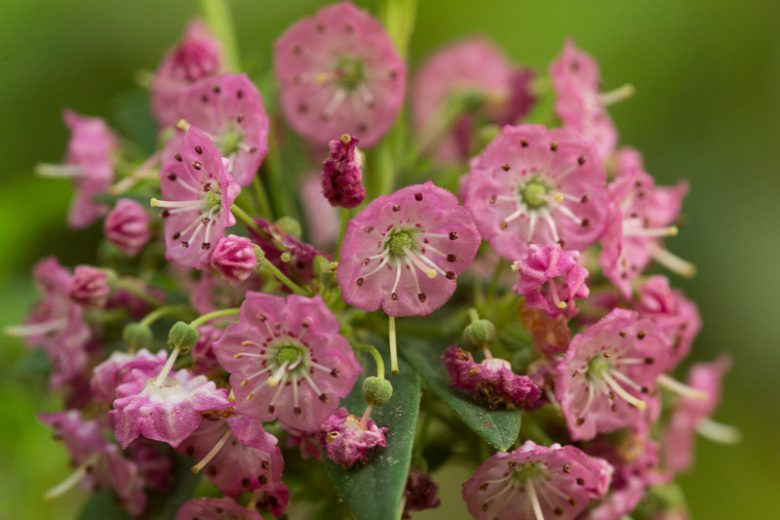
Pig Laurel is a small, evergreen shrub that typically grows to a height of 18 to 36 inches (45 to 90 cm). It has dense, leathery leaves that are dark green and glossy, contributing to its evergreen appeal. The plant’s most notable feature is its clusters of flowers, which bloom in late spring to early summer. The flowers are funnel-shaped, usually in shades of pink or white, and they are arranged in dense, rounded clusters at the tips of the branches. These flowers often have a striking, star-like appearance, with each individual bloom displaying a delicate structure with five petals. The plant produces small, capsule-like fruits after flowering, but the real charm lies in the vibrant, seasonal display of flowers.

Growing Conditions

Pig Laurel thrives in acidic, well-drained soil that is rich in organic matter. It prefers slightly acidic conditions, with a pH between 4.5 and 6.0, and can tolerate both dry and moist conditions, though it tends to do best in slightly damp, peaty soil. It is typically found in areas with partial to full shade, making it an ideal plant for woodland gardens or shaded garden beds. Pig Laurel is also relatively tolerant of cold temperatures, which makes it suitable for northern gardens. However, it can struggle in hot, dry climates, so it’s best suited for regions with cool, humid summers. It is relatively low-maintenance and, once established, can thrive with minimal intervention.

Uses in Gardening and Landscaping

Pig Laurel is often used in garden settings where its unique flowers and evergreen foliage can stand out. Its compact size makes it ideal for use in woodland gardens, shaded borders, or as part of a larger, low-maintenance shrubbery. The shrub’s bright blooms offer seasonal interest, and its evergreen leaves provide texture and color during the colder months. It is well-suited for areas with acidic soil and can be a valuable addition to areas where other plants may struggle due to poor soil conditions. Pig Laurel also pairs well with other shade-loving plants such as ferns, hostas, and other woodland species. However, due to its toxicity, it is important to plant it in areas that are out of reach of children and pets.

Health and Medicinal Benefits

While Pig Laurel is visually appealing, it is important to note that all parts of the plant are toxic if ingested. The leaves, stems, and flowers contain compounds that can cause symptoms such as nausea, vomiting, and even more severe reactions if consumed in large quantities. In fact, its common name, “Lambkill,” refers to the plant’s potential toxicity to livestock. Due to this toxicity, Pig Laurel is not used for medicinal purposes, and caution should be exercised when handling the plant, especially in households with small children or animals.

Ecological Importance

Pig Laurel plays a role in supporting local ecosystems, particularly in the wild. Its flowers attract a variety of pollinators, including bees and butterflies, who help fertilize the plant and contribute to the broader biodiversity of the area. While it is not often a significant food source for wildlife due to its toxicity, the dense, evergreen foliage can provide shelter for small animals and insects, making it an important part of a well-balanced garden or landscape. In natural settings, Pig Laurel can help stabilize soil and prevent erosion, particularly in acidic, wet environments where other plants may struggle to grow.

Conclusion

Pig Laurel is a unique and attractive shrub that can add interest and beauty to shaded, acidic areas of the garden. Its striking flowers and glossy evergreen leaves provide visual appeal year-round. However, due to its toxicity, it is crucial to be mindful of its placement in gardens, especially where pets or children may be present. When grown in the right conditions, Pig Laurel is a hardy and low-maintenance plant that can thrive in woodland gardens or shaded landscapes, offering both ecological benefits and aesthetic value. Whether you’re looking for a plant that will provide seasonal flowers or a hardy shrub for a challenging environment, Pig Laurel is an excellent choice for gardeners who can give it the care it requires.

Heartleaf Bergenia: A Hardy Perennial with Vibrant Blooms

ist-pasion.com – Heartleaf Bergenia (Bergenia cordifolia) is a robust and versatile perennial plant that offers year-round interest to gardens. Known for its heart-shaped leaves and striking clusters of pink or purple flowers, this plant thrives in a variety of conditions, making it a popular choice for both beginner and experienced gardeners. In this article, we’ll explore the characteristics, growing tips, and benefits of cultivating Heartleaf Bergenia in your garden.

Characteristics of Heartleaf Bergenia

Heartleaf Bergenia is a perennial that is prized for its thick, glossy, heart-shaped leaves. The foliage, which is green throughout the warmer months, takes on a dramatic reddish-purple hue in the fall and winter, adding color to gardens even when the plant is not in bloom. The leaves are thick and leathery, helping the plant tolerate a range of environmental conditions, from cold winters to hot summers.

In early spring, Heartleaf Bergenia produces clusters of small, bell-shaped flowers that rise above the foliage on tall stems. These flowers come in shades of pink, purple, or white, creating a cheerful burst of color when many other plants are still dormant. The blooms are not only beautiful but also attract pollinators like bees, adding life to the garden.

Ideal Growing Conditions

Heartleaf Bergenia is known for its hardiness and adaptability. It thrives in a variety of conditions, making it an excellent choice for different garden styles. Here are some key factors to consider for successful cultivation:

  • Sunlight: This plant prefers partial to full shade, making it a perfect choice for shady garden spots. While it can tolerate some sun, it does best in areas that offer protection from the harsh afternoon sun.
  • Soil: Heartleaf Bergenia is not particularly picky about soil but does best in well-drained, moist, slightly acidic to neutral soil. It can tolerate a variety of soil types, including clay and loam, as long as drainage is adequate.
  • Watering: Keep the soil consistently moist during the growing season, but avoid waterlogging. Once established, Heartleaf Bergenia is relatively drought-tolerant, though it benefits from occasional watering during dry periods.
  • Temperature: This plant is cold-hardy and can withstand winter temperatures down to USDA hardiness zone 3. It thrives in cooler climates but can also handle warmer conditions if provided with adequate moisture and shade.
  • Fertilizing: While Heartleaf Bergenia doesn’t require much fertilization, an occasional application of a balanced fertilizer in the spring can help encourage healthy growth and abundant blooms.

Benefits of Planting Heartleaf Bergenia

Heartleaf Bergenia offers numerous advantages for gardeners looking for a hardy, low-maintenance perennial that provides year-round interest. Some key benefits include:

  • Year-Round Appeal: The plant’s evergreen, heart-shaped leaves provide color and structure throughout the year, with vibrant fall and winter foliage. The early spring flowers add a touch of brightness when most other plants are still dormant.
  • Low Maintenance: Once established, Heartleaf Bergenia is easy to care for, requiring little attention beyond occasional watering and occasional division to keep the plant healthy.
  • Pollinator-Friendly: The springtime flowers attract bees and other pollinators, making it an excellent choice for a pollinator-friendly garden.
  • Versatile Landscaping: Whether planted in woodland gardens, as a ground cover, or along borders, Heartleaf Bergenia’s compact size and bold foliage make it a versatile plant for a variety of garden styles.

Creative Garden Uses

Heartleaf Bergenia is perfect for adding interest and texture to shaded or woodland gardens. Its bold, glossy foliage creates a lush ground cover, making it an ideal plant for filling in spaces beneath trees or shrubs where grass struggles to grow. Plant it in shady borders or alongside ferns and hostas to create a visually interesting, low-maintenance garden bed.

Additionally, Heartleaf Bergenia works well as an edging plant or in containers. When planted in groups, the bright, clustered flowers create an eye-catching display, and the contrasting foliage adds depth and dimension to the garden.

Conclusion

Heartleaf Bergenia is a versatile and hardy perennial that can thrive in a range of garden settings. With its striking heart-shaped leaves, vibrant spring flowers, and low-maintenance care, it’s an excellent choice for gardeners looking to add texture and color to shaded areas or borders. Whether you’re looking to create a woodland garden, a shady retreat, or simply want to add a touch of spring beauty, Heartleaf Bergenia is a reliable and stunning plant that will enhance your landscape year-round.