Snowy Angel’s Trumpet Flower: A Fragrant Addition to Your Garden

ist-pasion.com – The Snowy Angel’s Trumpet (Brugmansia ‘Snowy’), a stunning flowering plant in the Solanaceae family, is known for its large, trumpet-shaped blooms and fragrant aroma. With its snow-white flowers, the Snowy Angel’s Trumpet is an eye-catching ornamental plant that can bring a sense of elegance and drama to any garden. Native to South America, particularly the Andes, this plant has become a favorite in temperate and tropical gardens due to its striking appearance and intoxicating scent.

Physical Characteristics of Snowy Angel’s Trumpet

The Snowy Angel’s Trumpet is characterized by its large, pendulous, trumpet-shaped flowers that can grow up to 8 inches long. These blooms are pure white with a slight cream or yellowish tinge at their centers, giving them a soft, ethereal appearance that stands out against its lush, green foliage. The flowers have a sweet fragrance, particularly at night, when the scent becomes more intense to attract nocturnal pollinators like moths.

The plant itself can grow into a large shrub or small tree, reaching heights of 6 to 10 feet or more, depending on the growing conditions. It has long, dark green, elongated leaves that complement the large flowers and create a dense, bushy appearance. During its flowering season, which typically begins in late spring and lasts until the fall, the Snowy Angel’s Trumpet is a spectacular sight, with the cascading white flowers creating a dramatic focal point in the garden.

Growing Conditions and Care

Snowy Angel’s Trumpet thrives in well-drained, fertile soil and prefers full sun to partial shade. It requires a warm climate to grow well and is best suited to USDA hardiness zones 9 to 11. In colder climates, this plant can be grown as an annual or brought indoors during the winter months, where it can continue to bloom in a sunny spot.

The plant is relatively easy to grow, but it does need regular watering, especially during the warmer months when it is actively growing and flowering. It should be watered deeply, allowing the soil to dry slightly between waterings, as it does not like to sit in soggy conditions. To promote healthy growth and vibrant blooms, Snowy Angel’s Trumpet benefits from regular feeding with a balanced fertilizer during the growing season.

Because the plant can grow quite large, it may require periodic pruning to maintain its shape and prevent it from becoming too leggy. Pruning after the flowering season is also recommended to encourage new growth for the following year. In colder climates, bring the plant inside before the first frost and provide it with bright, indirect light during the winter months.

Ecological Role of Snowy Angel’s Trumpet

The Snowy Angel’s Trumpet plays an important role in attracting pollinators, particularly moths and hummingbirds, with its sweet scent and nectar-filled flowers. The plant is especially popular with night-flying pollinators, who are drawn to the fragrance and will visit the flowers at dusk and throughout the night. Its nocturnal blooming habit makes it a valuable addition to a night garden, where it can fill the air with its heavenly scent during the evening hours.

In addition to attracting pollinators, the large, broad leaves of the Snowy Angel’s Trumpet provide ample shade and shelter for smaller wildlife. The plant is also sometimes used in traditional medicine in its native regions, although caution is advised, as all parts of the plant are toxic when ingested.

Varieties of Snowy Angel’s Trumpet

While the Snowy Angel’s Trumpet is a popular cultivar of Brugmansia, there are several other varieties and species of this plant that offer different colors and forms. Some notable varieties include:

  • Brugmansia ‘Pink’: This variety features soft pink, trumpet-shaped flowers that have a similar form to the Snowy Angel’s Trumpet but with a strikingly different color.
  • Brugmansia suaveolens: Known as the “angel’s trumpet,” this species has fragrant white flowers and is the parent species of many cultivated varieties.
  • Brugmansia ‘Double White’: A cultivar with larger, double flowers that are also white, offering a more full-bodied bloom than the typical single-petaled flowers.

These varieties offer gardeners different color options and flower forms, allowing for a range of styles in the garden.

Uses in Landscaping

The Snowy Angel’s Trumpet is a stunning ornamental plant that adds drama and fragrance to any garden. Its large flowers and bushy growth make it an excellent choice for:

  • Tropical and Subtropical Gardens: With its bold flowers and lush foliage, Snowy Angel’s Trumpet is a standout feature in tropical and subtropical garden designs.
  • Focal Points: This plant can be used as a central focal point in flower beds, where its large, white blooms create a striking contrast against darker foliage and other colorful flowers.
  • Containers and Patios: The Snowy Angel’s Trumpet does well in large containers, making it a great choice for patios, decks, or balconies where it can be displayed as a stunning accent plant.
  • Night Gardens: Due to its intoxicating fragrance, Snowy Angel’s Trumpet is a must-have for night gardens, where its blooms will perfume the evening air and attract nocturnal pollinators.

It is best to plant the Snowy Angel’s Trumpet in areas with plenty of space, as it can grow quite large, and the flowers can be quite heavy. Consider placing it in a spot where it can be admired from a distance, especially during its blooming period when the plant is most spectacular.

Conclusion

The Snowy Angel’s Trumpet is a majestic and fragrant flowering plant that can bring elegance and beauty to any garden. With its large, white trumpet-shaped blooms and intoxicating fragrance, it makes a striking focal point, especially in warm climates where it thrives. Whether used in tropical gardens, night gardens, or large containers, the Snowy Angel’s Trumpet is sure to captivate with its visual and sensory appeal. Its ability to attract pollinators, combined with its ease of care and dramatic presence, makes it an ideal choice for gardeners looking to add a touch of enchantment to their outdoor spaces.
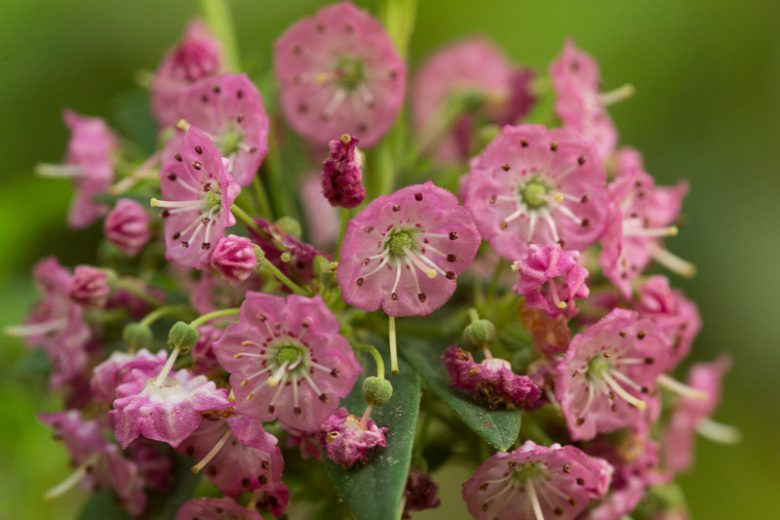
Pig Laurel: A Hardy and Unique Shrub for Your Garden

ist-pasion.com – Pig Laurel (Kalmia angustifolia), also known as Sheep Laurel or Lambkill, is a striking, hardy shrub native to North America. With its unique, clustered flowers and leathery, evergreen leaves, Pig Laurel offers visual interest throughout the year. While it is often found in wild environments like acidic bogs and forests, it has also become a popular ornamental shrub in gardens, particularly in areas with similar growing conditions. Despite its charming appearance, it’s important to note that Pig Laurel is toxic if ingested, making it essential to plant it thoughtfully in locations away from pets and small children.

Physical Characteristics

Pig Laurel is a small, evergreen shrub that typically grows to a height of 18 to 36 inches (45 to 90 cm). It has dense, leathery leaves that are dark green and glossy, contributing to its evergreen appeal. The plant’s most notable feature is its clusters of flowers, which bloom in late spring to early summer. The flowers are funnel-shaped, usually in shades of pink or white, and they are arranged in dense, rounded clusters at the tips of the branches. These flowers often have a striking, star-like appearance, with each individual bloom displaying a delicate structure with five petals. The plant produces small, capsule-like fruits after flowering, but the real charm lies in the vibrant, seasonal display of flowers.

Growing Conditions

Pig Laurel thrives in acidic, well-drained soil that is rich in organic matter. It prefers slightly acidic conditions, with a pH between 4.5 and 6.0, and can tolerate both dry and moist conditions, though it tends to do best in slightly damp, peaty soil. It is typically found in areas with partial to full shade, making it an ideal plant for woodland gardens or shaded garden beds. Pig Laurel is also relatively tolerant of cold temperatures, which makes it suitable for northern gardens. However, it can struggle in hot, dry climates, so it’s best suited for regions with cool, humid summers. It is relatively low-maintenance and, once established, can thrive with minimal intervention.

Uses in Gardening and Landscaping

Pig Laurel is often used in garden settings where its unique flowers and evergreen foliage can stand out. Its compact size makes it ideal for use in woodland gardens, shaded borders, or as part of a larger, low-maintenance shrubbery. The shrub’s bright blooms offer seasonal interest, and its evergreen leaves provide texture and color during the colder months. It is well-suited for areas with acidic soil and can be a valuable addition to areas where other plants may struggle due to poor soil conditions. Pig Laurel also pairs well with other shade-loving plants such as ferns, hostas, and other woodland species. However, due to its toxicity, it is important to plant it in areas that are out of reach of children and pets.

Health and Medicinal Benefits

While Pig Laurel is visually appealing, it is important to note that all parts of the plant are toxic if ingested. The leaves, stems, and flowers contain compounds that can cause symptoms such as nausea, vomiting, and even more severe reactions if consumed in large quantities. In fact, its common name, “Lambkill,” refers to the plant’s potential toxicity to livestock. Due to this toxicity, Pig Laurel is not used for medicinal purposes, and caution should be exercised when handling the plant, especially in households with small children or animals.

Ecological Importance

Pig Laurel plays a role in supporting local ecosystems, particularly in the wild. Its flowers attract a variety of pollinators, including bees and butterflies, who help fertilize the plant and contribute to the broader biodiversity of the area. While it is not often a significant food source for wildlife due to its toxicity, the dense, evergreen foliage can provide shelter for small animals and insects, making it an important part of a well-balanced garden or landscape. In natural settings, Pig Laurel can help stabilize soil and prevent erosion, particularly in acidic, wet environments where other plants may struggle to grow.

Conclusion

Pig Laurel is a unique and attractive shrub that can add interest and beauty to shaded, acidic areas of the garden. Its striking flowers and glossy evergreen leaves provide visual appeal year-round. However, due to its toxicity, it is crucial to be mindful of its placement in gardens, especially where pets or children may be present. When grown in the right conditions, Pig Laurel is a hardy and low-maintenance plant that can thrive in woodland gardens or shaded landscapes, offering both ecological benefits and aesthetic value. Whether you’re looking for a plant that will provide seasonal flowers or a hardy shrub for a challenging environment, Pig Laurel is an excellent choice for gardeners who can give it the care it requires.

Maximilian Sunflower: A Tall, Radiant Beauty for Your Garden

ist-pasion.com – The Maximilian Sunflower (Helianthus maximiliani) is a striking perennial flower that stands out with its bright, yellow blooms and tall, graceful stature. Known for its impressive height and ability to attract pollinators, this sunflower variety has become a popular choice for gardeners looking to add a bold splash of color and height to their landscapes. Whether planted in wildflower meadows, flower borders, or naturalized areas, the Maximilian Sunflower brings an unmistakable brightness and beauty to any garden.

Origins and Habitat

Native to the central United States, the Maximilian Sunflower is a hardy, drought-tolerant species that thrives in the wild, often found in prairies, open fields, and along roadsides. It is well-suited to grow in a variety of soil types, including clay, loam, and sandy soils. This sunflower is particularly well adapted to areas with full sun exposure, where it can bask in warmth throughout the growing season.

Maximilian Sunflowers have become popular in garden designs across North America, especially in wildflower gardens, prairie-style plantings, and naturalized landscapes. Their resilience in tough conditions and ability to attract pollinators make them a favorite for eco-friendly gardens that prioritize sustainability.

Characteristics and Varieties

The Maximilian Sunflower is known for its tall stature, often growing between 4 and 10 feet tall, with some plants reaching up to 12 feet in ideal conditions. This height makes it an excellent choice for the back of garden borders, where it can create an impressive vertical accent and provide structure to a flower bed. Its slender, green stems are topped with clusters of bright yellow, daisy-like flowers that bloom from late summer to fall, bringing cheerful color to the garden when many other plants have finished blooming.

Each flower head features a central disk of dark brown or black seeds surrounded by vibrant yellow petals. The flowers are arranged in clusters on long, branching stems, creating a bold and showy display. The leaves of the Maximilian Sunflower are lance-shaped, dark green, and slightly rough to the touch, adding to the plant’s overall texture.

While the classic Maximilian Sunflower has yellow blooms, some cultivars and hybrids may produce slightly different hues or flower shapes. However, the traditional variety is prized for its sunny, golden-yellow color and its ability to bloom in late summer and early fall when other sunflowers have already finished their flowering season.

Growing Maximilian Sunflower

The Maximilian Sunflower is a relatively easy plant to grow and care for, making it a great choice for both beginner and experienced gardeners. It prefers full sun and well-drained soil, though it can tolerate a range of soil conditions, including those that are dry and poor in nutrients. Once established, the Maximilian Sunflower is drought-tolerant and can thrive with minimal care, making it a low-maintenance plant for gardens that want to conserve water.

Planting Maximilian Sunflowers is best done in the spring after the threat of frost has passed, though they can also be started from seed indoors in late winter for an earlier start. Space the plants about 18 to 24 inches apart to allow for their upright growth and branching flower heads. If planting multiple rows, provide enough space between them to allow for air circulation and prevent overcrowding.

While the plant is relatively low-maintenance, it benefits from regular watering, particularly during dry spells, and it should be watered at the base to prevent foliage rot. Deadheading spent flowers can encourage more blooms, though Maximilian Sunflowers are often left to mature and produce seeds, which attract birds and other wildlife.

To support the tall stems, it may be necessary to provide staking, particularly in areas with strong winds or heavy rain, to prevent the plants from toppling over. Fertilizing the Maximilian Sunflower once or twice a year with a balanced, slow-release fertilizer can encourage healthy growth and abundant blooms, though the plant is generally adaptable to a variety of soil types.

Wildlife and Pollinator Attraction

One of the most appealing aspects of the Maximilian Sunflower is its ability to attract a wide variety of pollinators, including bees, butterflies, and birds. The large, bright blooms offer a rich source of nectar for these beneficial insects, particularly in late summer and fall when fewer flowers are in bloom. The seeds of the Maximilian Sunflower are also a food source for birds, making it an excellent plant for creating a wildlife-friendly garden.

Due to its appeal to pollinators, the Maximilian Sunflower is often used in pollinator gardens, wildflower meadows, and butterfly gardens. Its long bloom period provides sustenance to pollinators for several months, helping to support local ecosystems and promote biodiversity in the garden.

Symbolism and Significance

Sunflowers, in general, are often associated with warmth, happiness, and positivity. The Maximilian Sunflower, with its towering height and golden-yellow blooms, symbolizes strength, resilience, and the power of nature. Its ability to thrive in tough conditions and attract pollinators makes it a symbol of sustainability and ecological balance.

In many cultures, sunflowers are also seen as a symbol of loyalty, admiration, and long-lasting love, making the Maximilian Sunflower a fitting choice for gardens dedicated to these sentiments. Its bright, cheerful flowers bring a sense of joy and optimism to any space.

Maximilian Sunflower in Garden Design

The Maximilian Sunflower is an ideal plant for gardens that aim to create a striking, natural look with a touch of wild beauty. Its tall, upright form makes it perfect for adding vertical interest to borders and garden beds, particularly in areas that need a pop of late-season color. It works well in cottage gardens, prairie-style plantings, and wildflower meadows, where it can be combined with other native plants such as asters, goldenrods, and coneflowers.

This sunflower also pairs beautifully with ornamental grasses, where its bold flowers contrast with the soft, wispy texture of grasses. In addition to its role in ornamental gardens, the Maximilian Sunflower can be grown for its ecological benefits, attracting pollinators and providing habitat for wildlife.

Conclusion

The Maximilian Sunflower is a stunning, vibrant addition to any garden, known for its tall stature, bright yellow blooms, and ability to attract pollinators. Its easy-to-grow nature and low-maintenance care make it a perfect choice for gardeners looking to add a burst of late-season color and support local wildlife. Whether used as a focal point in flower beds, as part of a wildflower meadow, or to attract beneficial insects, the Maximilian Sunflower is a beautiful and functional plant that enhances any landscape.