A Cultural Exploration: Celebrating New Year’s Day in Cambodia

ist-pasion.com – Cambodian New Year, known as Chaul Chnam Thmey, is a significant cultural festival that marks the beginning of the traditional Khmer calendar. It is celebrated with various rituals, traditions, and festivities that reflect the rich heritage of Cambodia. The holiday typically falls in April, coinciding with the solar new year and marking the end of the harvest season.

The Significance of Cambodian New Year

The celebration of Cambodian New Year is deeply rooted in Buddhism, the predominant religion in the country. It is a time for Cambodians to pay their respects to elders, ancestors, and deities. Families gather to clean their homes, decorate them with flowers, and prepare traditional foods. People also visit pagodas to pray and participate in religious ceremonies.

Traditional Activities During Cambodian New Year

One of the most popular activities during Cambodian New Year is the traditional water throwing, which symbolizes the washing away of bad luck and sins from the past year. People playfully splash water on each other, often accompanied by the use of scented paste to anoint the foreheads of family members and friends.

Another key element of the celebration is the performance of traditional dances, such as the Apsara dance, which depicts stories from Hindu mythology. Folk games and sports, including tug-of-war and boat racing, are also common during this festive period.

The Role of Family and Community

Cambodian New Year is a time for strengthening family bonds and community ties. Families come together to share meals, exchange gifts, and participate in communal activities. It is also an opportunity for Cambodians living abroad to return to their homeland, fostering a sense of unity and shared identity.

The Economic Impact of Cambodian New Year

The New Year celebration has a significant impact on the Cambodian economy. It is a peak tourist season, with both domestic and international visitors flocking to major cities and historical sites like Angkor Wat. Businesses, especially those in the hospitality and retail sectors, experience a boost in sales and services.

Preserving Traditions in a Modern Context

As Cambodia continues to modernize, there is a growing emphasis on preserving the traditions associated with New Year’s Day. Educational programs and cultural events are organized to educate the younger generation about the significance of the holiday and the customs that have been passed down through generations.

A Time of Reflection and Celebration

Cambodian New Year is more than just a holiday; it is a time for reflection, renewal, and celebration. It encapsulates the essence of Cambodian culture, bringing together people from all walks of life to honor their heritage and look forward to the future with hope and optimism. As the world becomes increasingly interconnected, the celebration of Chaul Chnam Thmey remains a cherished tradition that keeps the spirit of Cambodia alive.

Celebrating in Heaven: The Eternal Dance

ist-pasion.com – In the realm of the divine, where the streets are paved with gold and the gates are made of pearls, there exists a celebration that transcends all earthly festivities. This is the eternal dance, a perpetual jubilee that resonates with the very essence of joy and bliss. It is a celebration that knows no end, a dance that continues for all eternity in the presence of the Almighty.

The Symphony of Harmony

The eternal dance is accompanied by a symphony so harmonious that it surpasses the beauty of any earthly melody. The music is celestial, composed by the hands of the divine, and played by an orchestra of angels. Each note is a testament to the perfection of creation, a melody that fills the hearts of the blessed with an indescribable sense of peace and happiness.

The Dance of the Redeemed

In this celestial ballroom, the redeemed from all ages and nations come together as one. Clothed in white robes, they move with a grace that reflects the purity of their souls. Their steps are in perfect unison, guided by the Spirit, as they twirl and glide in a dance that symbolizes their eternal union with the divine.

The Feast of Joy

The eternal dance is not just a spectacle of movement and music; it is also a feast for the senses. The banquet table is laden with delicacies that surpass the finest cuisines of the earth. The wine flows freely, a vintage that intoxicates with its sweetness yet preserves the mind in a state of clarity and ecstasy.

The Light of Love

The light that illuminates this celebration is not the flickering of candles or the glow of chandeliers, but the radiant glory of the divine presence. It is a light that dispels all darkness, a beacon of love that envelops every soul in its warmth. In this light, there is no shadow of fear or sorrow, only the brilliance of eternal joy.

The Invitation to All

The eternal dance is not exclusive; it is an invitation extended to all who seek the face of the divine. It is a celebration that awaits the arrival of every weary traveler, every soul that has longed for the embrace of the divine. The doors of heaven are open, and the dance floor awaits the steps of the faithful.

Conclusion

The eternal dance in heaven is more than a mere gathering; it is the ultimate expression of divine love and human redemption. It is a testament to the promise of eternal life, a life filled with joy, peace, and unending celebration. As we journey through the trials and tribulations of earth, let us keep our eyes fixed on the prize, the eternal dance that awaits us in the presence of the Almighty.

Celebrating the Dharma: Buddhist Festivals and Ceremonies

ist-pasion.com – Buddhism, one of the world’s oldest religions, is a path of spiritual practice and enlightenment that emphasizes compassion, wisdom, and the understanding of the true nature of reality. Throughout the year, Buddhists around the world celebrate various festivals and ceremonies to honor the life and teachings of the Buddha, to commemorate significant events in Buddhist history, and to deepen their practice and connection to the Dharma. These celebrations are not only expressions of faith but also opportunities for community building, cultural exchange, and personal reflection.

The Significance of Buddhist Festivals and Ceremonies

Buddhist festivals and ceremonies serve multiple purposes within the Buddhist community. They are occasions for devotion, where practitioners pay homage to the Buddha, the Dharma (the teachings), and the Sangha (the community of practitioners). These events also play a crucial role in the transmission of Buddhist teachings from one generation to the next, ensuring the continuity of the tradition. Moreover, they provide a space for practitioners to cultivate mindfulness, compassion, and other virtues central to Buddhist practice.

Key Buddhist Festivals and Ceremonies

1. Wesak or Vesak

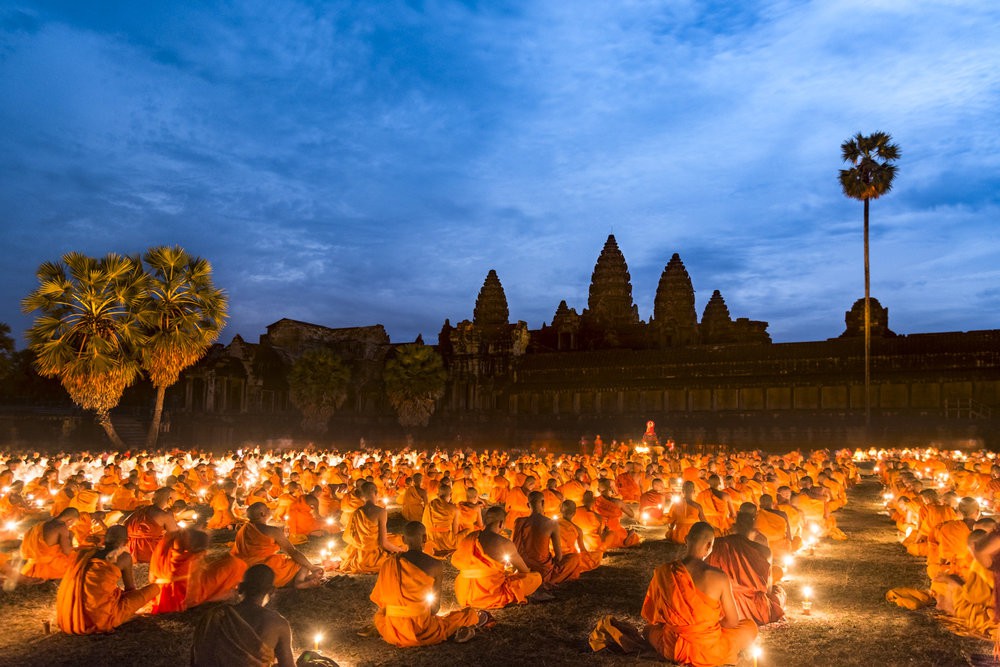
Wesak, also known as Vesak, is one of the most important festivals in Buddhism, celebrated by Buddhists all over the world. It commemorates the birth, enlightenment, and parinirvana (passing away) of the Buddha, all of which are believed to have occurred on the same day of the lunar month. Wesak is marked by visits to temples, prayers, meditation, and the release of lanterns or candles into waterways as a symbol of letting go of negative thoughts and desires.

2. Buddha’s Birthday

Celebrated in various forms across different Buddhist traditions, Buddha’s Birthday commemorates the birth of Siddhartha Gautama, who later became the Buddha. In many East Asian countries, this day is marked by the bathing of Buddha statues, which symbolizes purification and renewal. Temples are decorated with colorful lanterns, and devotees partake in prayers, meditation, and the offering of flowers and incense.

3. Kathina

Kathina is a Theravada Buddhist festival that takes place during the end of the annual rainy season retreat (Vassa). It is a time when the monastic community receives new robes from the laity, symbolizing the reciprocal relationship between the monks and the lay community. The ceremony involves the presentation of robes, followed by a procession and a dedication of merit.

4. Losar

Losar is the Tibetan New Year festival, a time for Buddhists in the Himalayan regions to celebrate the coming year. It is a time for cleaning and decorating homes, visiting monasteries, and participating in religious ceremonies. Losar is also an occasion for community prayers, dances, and the preparation of special foods.

5. Obon

Obon is a Japanese Buddhist festival that honors the spirits of one’s ancestors. It is believed that during Obon, the spirits of ancestors return to their homes to visit, and so families gather to welcome them with food offerings, lanterns, and the traditional Bon Odori dance. This festival is a time for remembrance, gratitude, and the strengthening of family bonds.

The Role of Festivals and Ceremonies in Modern Life

In today’s fast-paced and often secular world, Buddhist festivals and ceremonies offer a counterpoint to the hustle and bustle of daily life. They provide a space for reflection, spiritual practice, and community. Whether through the quiet contemplation of Wesak, the joyous celebration of Buddha’s Birthday, or the communal spirit of Obon, these events remind practitioners of the timeless values of compassion, wisdom, and mindfulness.

Moreover, as Buddhism continues to spread and evolve in different parts of the world, these festivals and ceremonies also serve as a bridge between cultures, fostering understanding and respect among diverse communities.

Conclusion

Buddhist festivals and ceremonies are more than just religious observances; they are vibrant expressions of faith, culture, and community. They offer practitioners a chance to deepen their connection to the Dharma, to honor the Buddha’s teachings, and to celebrate the rich heritage of Buddhism. As we continue to navigate the complexities of the modern world, these events remind us of the enduring relevance of Buddhist wisdom and the importance of living a life of compassion and mindfulness.