The Bee’s Dance: The Social Butterfly

ist-pasion.com – In the world of insects, bees stand out as social butterflies, communicating through a fascinating array of signals and behaviors. Among these, the most well-known is the bee’s dance, a complex form of communication that plays a crucial role in the life of a hive. This dance is not just a random fluttering but a precise and intricate language that conveys vital information to other members of the colony.

The Purpose of the Bee’s Dance

The primary purpose of the bee’s dance is to communicate the location of food sources to other members of the hive. Forager bees, upon discovering a rich source of nectar or pollen, return to the hive and perform a dance that indicates the direction and distance of the food source. This ensures that the colony can efficiently exploit the resources, supporting the survival and growth of the hive.

Decoding the Waggle Dance

One of the most studied and understood forms of the bee’s dance is the waggle dance. This dance consists of a series of movements that form a figure-eight pattern. The angle of the dance relative to the vertical comb informs the direction of the food source in relation to the sun, while the duration of the waggle run indicates the distance. The vigor and repetition of the dance also signal the quality of the food source, with more enthusiastic dances for richer sources.

The Role of the Dance in Colony Coordination

The bee’s dance is a testament to the sophisticated social organization of bees. It allows the colony to coordinate foraging efforts, ensuring that resources are utilized efficiently. This communication also helps in the selection of new nest sites during swarming, with scout bees performing dances to indicate the suitability and location of potential homes.

The Impact of Environmental Factors on Bee Communication

Environmental factors such as climate change, habitat loss, and pesticide use can disrupt the delicate communication systems of bees. Changes in flowering patterns due to climate change can make it difficult for bees to accurately communicate the location of food sources. Similarly, habitat fragmentation can increase the distance bees need to travel for foraging, affecting the precision of the dance communication.

Conserving the Social Butterflies

To protect bees and their intricate communication systems, it is essential to address the environmental challenges they face. Conservation efforts should focus on preserving natural habitats, promoting sustainable agricultural practices, and reducing the use of harmful pesticides. By creating a supportive environment for bees, we can ensure that these social butterflies continue to thrive, pollinate our crops, and inspire us with their complex dances for generations to come.

Celebrating in Heaven: The Eternal Dance

ist-pasion.com – In the realm of the divine, where the streets are paved with gold and the gates are made of pearls, there exists a celebration that transcends all earthly festivities. This is the eternal dance, a perpetual jubilee that resonates with the very essence of joy and bliss. It is a celebration that knows no end, a dance that continues for all eternity in the presence of the Almighty.

The Symphony of Harmony

The eternal dance is accompanied by a symphony so harmonious that it surpasses the beauty of any earthly melody. The music is celestial, composed by the hands of the divine, and played by an orchestra of angels. Each note is a testament to the perfection of creation, a melody that fills the hearts of the blessed with an indescribable sense of peace and happiness.

The Dance of the Redeemed

In this celestial ballroom, the redeemed from all ages and nations come together as one. Clothed in white robes, they move with a grace that reflects the purity of their souls. Their steps are in perfect unison, guided by the Spirit, as they twirl and glide in a dance that symbolizes their eternal union with the divine.

The Feast of Joy

The eternal dance is not just a spectacle of movement and music; it is also a feast for the senses. The banquet table is laden with delicacies that surpass the finest cuisines of the earth. The wine flows freely, a vintage that intoxicates with its sweetness yet preserves the mind in a state of clarity and ecstasy.

The Light of Love

The light that illuminates this celebration is not the flickering of candles or the glow of chandeliers, but the radiant glory of the divine presence. It is a light that dispels all darkness, a beacon of love that envelops every soul in its warmth. In this light, there is no shadow of fear or sorrow, only the brilliance of eternal joy.

The Invitation to All

The eternal dance is not exclusive; it is an invitation extended to all who seek the face of the divine. It is a celebration that awaits the arrival of every weary traveler, every soul that has longed for the embrace of the divine. The doors of heaven are open, and the dance floor awaits the steps of the faithful.

Conclusion

The eternal dance in heaven is more than a mere gathering; it is the ultimate expression of divine love and human redemption. It is a testament to the promise of eternal life, a life filled with joy, peace, and unending celebration. As we journey through the trials and tribulations of earth, let us keep our eyes fixed on the prize, the eternal dance that awaits us in the presence of the Almighty.

The Cumbia: Colombia’s Folk Dance

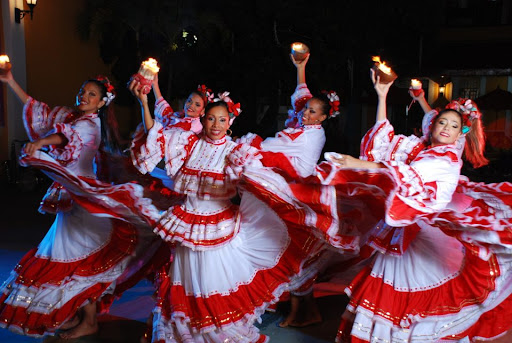
ist-pasion.com – The Cumbia is a traditional folk dance that has its roots deeply embedded in the cultural heritage of Colombia. Originating from the Caribbean coast of the country, this dance is a vibrant expression of the Colombian identity, blending African, Indigenous, and Spanish influences. The Cumbia is not only a dance but also a musical genre that has gained international fame, symbolizing the rich cultural tapestry of Colombia.

Historical Background

The origins of Cumbia can be traced back to the 17th century, during the colonial period in Colombia. It was born out of the fusion of various cultural elements brought together by the African slaves, Indigenous communities, and Spanish colonizers. The dance and music were initially a form of resistance and a means of preserving cultural identity among the oppressed communities. Over time, Cumbia evolved into a symbol of unity and celebration, transcending its origins to become a national treasure.

Characteristics of Cumbia Dance

Cumbia is characterized by its graceful and sensual movements, performed by couples. The dance is typically led by the man, who performs intricate steps and gestures, while the woman follows, maintaining a more reserved and demure posture. The movements are fluid and circular, reflecting the dance’s African influences. The rhythm is set by the traditional instruments of Cumbia, including the gaita (a type of flute), tambora (a bass drum), and maracas.

The Music of Cumbia

The music of Cumbia is as integral to the dance as the steps themselves. It is typically upbeat and lively, inviting listeners and dancers to immerse themselves in the rhythm. The lyrics often tell stories of love, life, and the struggles of the people, making Cumbia not just a form of entertainment but also a narrative of the Colombian experience.

Cumbia’s Cultural Significance

Cumbia holds a significant place in Colombian culture, representing the country’s diversity and history. It is performed at various festivals, celebrations, and social gatherings, showcasing the rich cultural heritage of Colombia. The dance has also become a symbol of national pride, with Colombians embracing it as a unique aspect of their identity.

The International Appeal of Cumbia

Over the years, Cumbia has transcended its Colombian origins to become a global phenomenon. It has influenced and been incorporated into various musical genres around the world, from Latin pop to electronic music. International festivals and cultural events often feature Cumbia, introducing the dance and music to a global audience.

Preserving the Tradition

Efforts to preserve and promote Cumbia continue, with schools and cultural organizations across Colombia and the world teaching the dance and music to new generations. This ensures that the legacy of Cumbia lives on, keeping the spirit of Colombian culture alive and vibrant.

Conclusion

The Cumbia is more than just a dance; it is a living testament to the resilience and creativity of the Colombian people. It embodies the country’s history, culture, and identity, bringing together diverse communities through its music and dance. As Cumbia continues to evolve and spread across the globe, it remains a cherished symbol of Colombia’s rich cultural heritage.