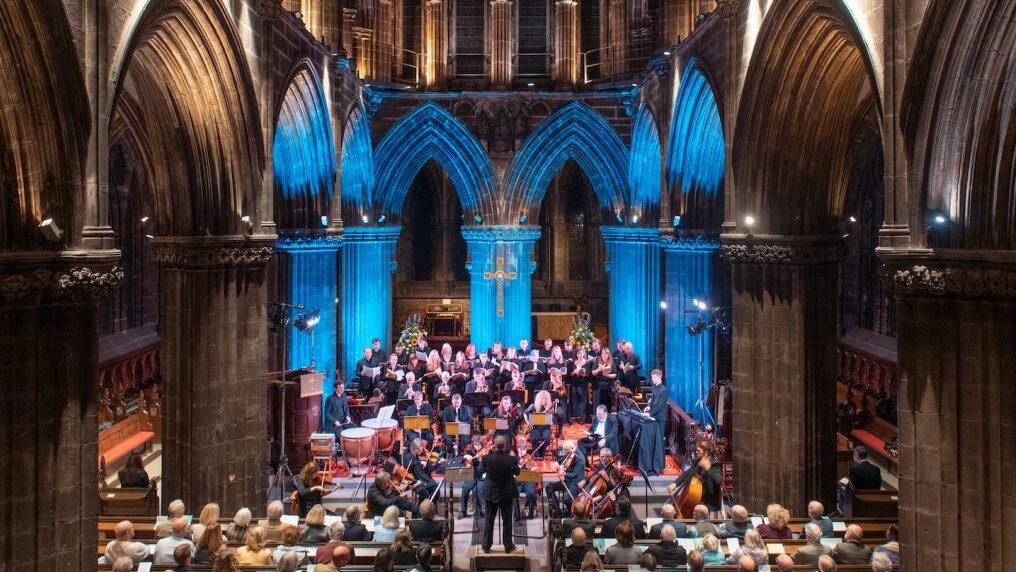
Prestigious Festivals of Contemporary Classical Music

ist-pasion.com – The world of classical music is a dynamic and ever-evolving landscape, and contemporary classical music festivals play a pivotal role in shaping its future. These festivals serve as platforms for innovative composers, groundbreaking performances, and a celebration of the rich tapestry of musical traditions. Here are some of the most prestigious festivals dedicated to contemporary classical music:

Darmstadt International Summer Courses for New Music

  • A Pioneer in Experimental Music: Founded in 1946, the Darmstadt International Summer Courses for New Music is one of the oldest and most influential festivals of contemporary classical music. 
  • A Hub for Avant-Garde Composers: Darmstadt has been a breeding ground for avant-garde composers such as Pierre Boulez, Karlheinz Stockhausen, and Iannis Xenakis. 
  • A Blend of Tradition and Innovation: The festival offers a unique blend of traditional orchestral concerts, experimental electronic music, and interdisciplinary performances.

Lucerne Festival

  • A Global Platform for Contemporary Music: The Lucerne Festival, held annually in Lucerne, Switzerland, is a world-renowned festival that showcases a diverse range of classical music, including contemporary works.  
  • A Focus on Contemporary Composers: The festival features a strong emphasis on contemporary composers, often commissioning new works and presenting world premieres.  
  • A Spectacular Setting: The stunning natural beauty of Lucerne provides an inspiring backdrop for the festival’s concerts and events. 

Ultima Festival

  • A Celebration of Norwegian and International Music: The Ultima Festival, held in Oslo, Norway, is a major international festival of contemporary music. 
  • A Diverse Program: The festival presents a wide range of musical styles, from experimental and electronic to traditional and folk.
  • A Commitment to Emerging Talent: Ultima is dedicated to promoting young composers and performers, offering them opportunities to showcase their work on the international stage.

Huddersfield Contemporary Music Festival

  • A British Institution: The Huddersfield Contemporary Music Festival, held annually in Huddersfield, England, is one of the longest-running contemporary music festivals in the world.
  • A Focus on British Composers: The festival celebrates the rich tradition of British contemporary music, showcasing the work of both established and emerging composers.
  • A Commitment to Education and Outreach: Huddersfield offers a range of educational programs, including workshops, lectures, and masterclasses, aimed at inspiring the next generation of musicians. 

Klang Festival

  • A Nordic Powerhouse: The Klang Festival, held in Copenhagen, Denmark, is a major international festival of contemporary music. 
  • A Focus on Scandinavian Composers: The festival highlights the work of Scandinavian composers, particularly those from Denmark, Norway, Sweden, and Iceland.
  • A Multidisciplinary Approach: Klang often incorporates elements of visual art, theater, and dance into its performances, creating immersive and multisensory experiences.

These are just a few of the many prestigious festivals dedicated to contemporary classical music. By showcasing the latest trends and innovations in the field, these festivals continue to shape the future of music and inspire audiences around the world.
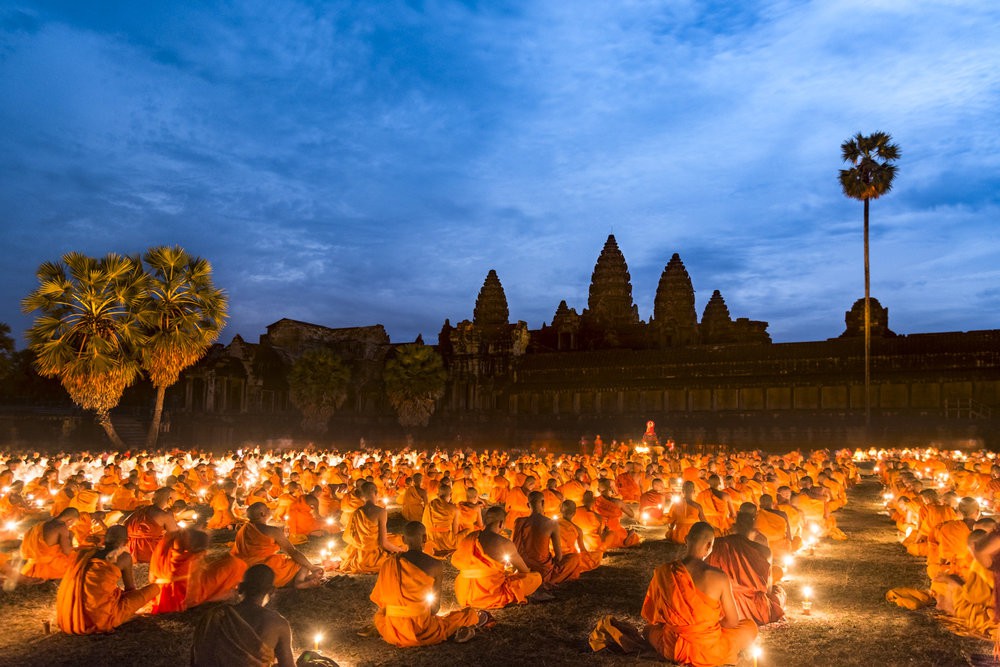
Celebrating the Dharma: Buddhist Festivals and Ceremonies

ist-pasion.com – Buddhism, one of the world’s oldest religions, is a path of spiritual practice and enlightenment that emphasizes compassion, wisdom, and the understanding of the true nature of reality. Throughout the year, Buddhists around the world celebrate various festivals and ceremonies to honor the life and teachings of the Buddha, to commemorate significant events in Buddhist history, and to deepen their practice and connection to the Dharma. These celebrations are not only expressions of faith but also opportunities for community building, cultural exchange, and personal reflection.

The Significance of Buddhist Festivals and Ceremonies

Buddhist festivals and ceremonies serve multiple purposes within the Buddhist community. They are occasions for devotion, where practitioners pay homage to the Buddha, the Dharma (the teachings), and the Sangha (the community of practitioners). These events also play a crucial role in the transmission of Buddhist teachings from one generation to the next, ensuring the continuity of the tradition. Moreover, they provide a space for practitioners to cultivate mindfulness, compassion, and other virtues central to Buddhist practice.

Key Buddhist Festivals and Ceremonies

1. Wesak or Vesak

Wesak, also known as Vesak, is one of the most important festivals in Buddhism, celebrated by Buddhists all over the world. It commemorates the birth, enlightenment, and parinirvana (passing away) of the Buddha, all of which are believed to have occurred on the same day of the lunar month. Wesak is marked by visits to temples, prayers, meditation, and the release of lanterns or candles into waterways as a symbol of letting go of negative thoughts and desires.

2. Buddha’s Birthday

Celebrated in various forms across different Buddhist traditions, Buddha’s Birthday commemorates the birth of Siddhartha Gautama, who later became the Buddha. In many East Asian countries, this day is marked by the bathing of Buddha statues, which symbolizes purification and renewal. Temples are decorated with colorful lanterns, and devotees partake in prayers, meditation, and the offering of flowers and incense.

3. Kathina

Kathina is a Theravada Buddhist festival that takes place during the end of the annual rainy season retreat (Vassa). It is a time when the monastic community receives new robes from the laity, symbolizing the reciprocal relationship between the monks and the lay community. The ceremony involves the presentation of robes, followed by a procession and a dedication of merit.

4. Losar

Losar is the Tibetan New Year festival, a time for Buddhists in the Himalayan regions to celebrate the coming year. It is a time for cleaning and decorating homes, visiting monasteries, and participating in religious ceremonies. Losar is also an occasion for community prayers, dances, and the preparation of special foods.

5. Obon

Obon is a Japanese Buddhist festival that honors the spirits of one’s ancestors. It is believed that during Obon, the spirits of ancestors return to their homes to visit, and so families gather to welcome them with food offerings, lanterns, and the traditional Bon Odori dance. This festival is a time for remembrance, gratitude, and the strengthening of family bonds.

The Role of Festivals and Ceremonies in Modern Life

In today’s fast-paced and often secular world, Buddhist festivals and ceremonies offer a counterpoint to the hustle and bustle of daily life. They provide a space for reflection, spiritual practice, and community. Whether through the quiet contemplation of Wesak, the joyous celebration of Buddha’s Birthday, or the communal spirit of Obon, these events remind practitioners of the timeless values of compassion, wisdom, and mindfulness.

Moreover, as Buddhism continues to spread and evolve in different parts of the world, these festivals and ceremonies also serve as a bridge between cultures, fostering understanding and respect among diverse communities.

Conclusion

Buddhist festivals and ceremonies are more than just religious observances; they are vibrant expressions of faith, culture, and community. They offer practitioners a chance to deepen their connection to the Dharma, to honor the Buddha’s teachings, and to celebrate the rich heritage of Buddhism. As we continue to navigate the complexities of the modern world, these events remind us of the enduring relevance of Buddhist wisdom and the importance of living a life of compassion and mindfulness.