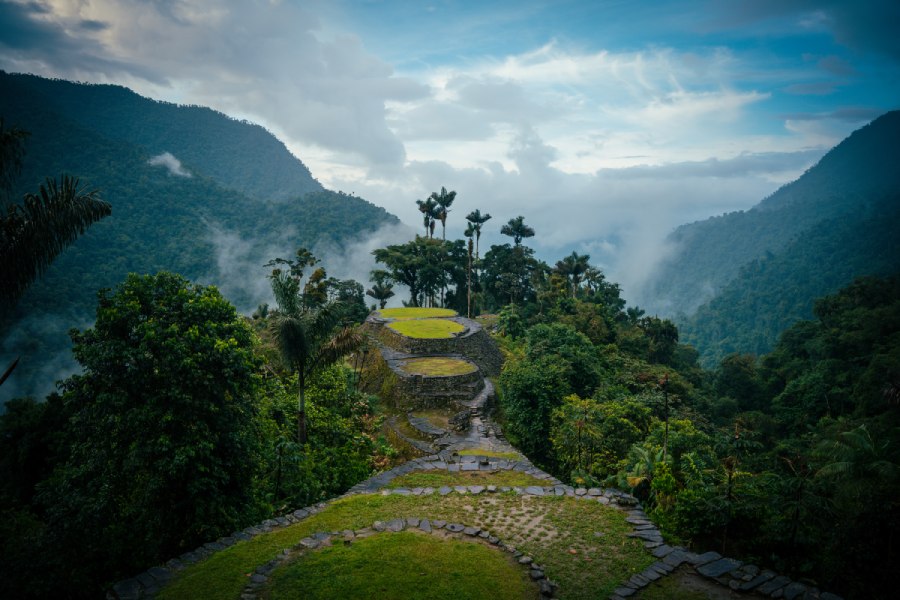
The Twin Peaks of Colombia: Cristóbal Colón and Simón Bolívar

ist-pasion.com – The Sierra Nevada de Santa Marta, a stunning mountain range rising abruptly from the Caribbean coast of Colombia, is home to two of the highest peaks in South America: Pico Cristóbal Colón and Pico Simón Bolívar. These twin peaks, almost equal in height, offer a challenging yet rewarding adventure for experienced mountaineers.

Pico Cristóbal Colón: A Majestic Giant

Pico Cristóbal Colón, the slightly taller of the two peaks, stands at an impressive 5,775 meters (18,947 feet) above sea level. It is the highest coastal mountain in the world, rising directly from the Caribbean Sea. Its name honors Christopher Columbus, the famous explorer who first sighted the New World.

Ascending Pico Cristóbal Colón is a demanding endeavor, requiring technical expertise, physical fitness, and the ability to withstand harsh weather conditions. The peak is often shrouded in mist and cloud, and climbers must navigate steep slopes, glaciers, and crevasses. However, the rewards are immense. From the summit, climbers are treated to breathtaking panoramic views of the Caribbean coast, the Sierra Nevada de Santa Marta, and the distant Andes Mountains.

Pico Simón Bolívar: A Close Second

Pico Simón Bolívar, named after the iconic South American liberator, is only slightly lower than its twin peak, reaching a height of 5,775 meters (18,947 feet). Despite its similar height, Simón Bolívar offers a distinct climbing experience, with different routes and challenges.

The ascent of Simón Bolívar often involves technical climbing sections, including ice climbing and mixed terrain. The summit rewards climbers with stunning views of the surrounding peaks, including the majestic Pico Cristóbal Colón.

A Unique Ecosystem

The Sierra Nevada de Santa Marta is a biodiversity hotspot, home to a wide range of unique plant and animal species. The high-altitude páramo ecosystem, found above the tree line, is particularly diverse, with a variety of endemic flora and fauna. The peaks of Cristóbal Colón and Simón Bolívar are also important water sources, providing freshwater to the surrounding region.   

Climbing the Twin Peaks: A Dream for Adventurers

For mountaineers seeking a challenging and rewarding adventure, the twin peaks of Cristóbal Colón and Simón Bolívar offer an unforgettable experience. However, it is important to approach these mountains with respect and preparation. Climbing these peaks requires expert guidance and specialized equipment.
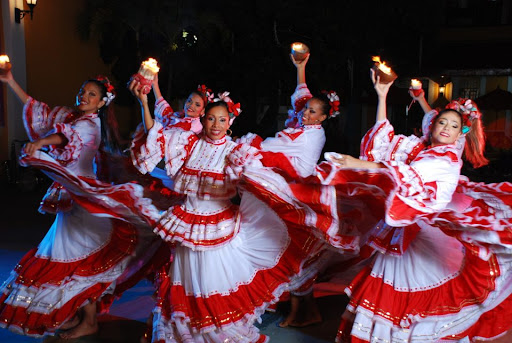
The Cumbia: Colombia’s Folk Dance

ist-pasion.com – The Cumbia is a traditional folk dance that has its roots deeply embedded in the cultural heritage of Colombia. Originating from the Caribbean coast of the country, this dance is a vibrant expression of the Colombian identity, blending African, Indigenous, and Spanish influences. The Cumbia is not only a dance but also a musical genre that has gained international fame, symbolizing the rich cultural tapestry of Colombia.

Historical Background

The origins of Cumbia can be traced back to the 17th century, during the colonial period in Colombia. It was born out of the fusion of various cultural elements brought together by the African slaves, Indigenous communities, and Spanish colonizers. The dance and music were initially a form of resistance and a means of preserving cultural identity among the oppressed communities. Over time, Cumbia evolved into a symbol of unity and celebration, transcending its origins to become a national treasure.

Characteristics of Cumbia Dance

Cumbia is characterized by its graceful and sensual movements, performed by couples. The dance is typically led by the man, who performs intricate steps and gestures, while the woman follows, maintaining a more reserved and demure posture. The movements are fluid and circular, reflecting the dance’s African influences. The rhythm is set by the traditional instruments of Cumbia, including the gaita (a type of flute), tambora (a bass drum), and maracas.

The Music of Cumbia

The music of Cumbia is as integral to the dance as the steps themselves. It is typically upbeat and lively, inviting listeners and dancers to immerse themselves in the rhythm. The lyrics often tell stories of love, life, and the struggles of the people, making Cumbia not just a form of entertainment but also a narrative of the Colombian experience.

Cumbia’s Cultural Significance

Cumbia holds a significant place in Colombian culture, representing the country’s diversity and history. It is performed at various festivals, celebrations, and social gatherings, showcasing the rich cultural heritage of Colombia. The dance has also become a symbol of national pride, with Colombians embracing it as a unique aspect of their identity.

The International Appeal of Cumbia

Over the years, Cumbia has transcended its Colombian origins to become a global phenomenon. It has influenced and been incorporated into various musical genres around the world, from Latin pop to electronic music. International festivals and cultural events often feature Cumbia, introducing the dance and music to a global audience.

Preserving the Tradition

Efforts to preserve and promote Cumbia continue, with schools and cultural organizations across Colombia and the world teaching the dance and music to new generations. This ensures that the legacy of Cumbia lives on, keeping the spirit of Colombian culture alive and vibrant.

Conclusion

The Cumbia is more than just a dance; it is a living testament to the resilience and creativity of the Colombian people. It embodies the country’s history, culture, and identity, bringing together diverse communities through its music and dance. As Cumbia continues to evolve and spread across the globe, it remains a cherished symbol of Colombia’s rich cultural heritage.