ist-pasion.com – Māori art and craft have been central to the cultural expression of the Māori people for centuries. Traditionally, Māori art is deeply intertwined with the spiritual and social aspects of their lives, with carving and weaving serving as important forms of storytelling, identity, and connection to their ancestors. From the intricate wood carvings adorning the wharenui (meeting houses) to the beautifully woven cloaks and baskets, Māori art reflects the deep relationship between the people, their environment, and their heritage. In recent years, contemporary Māori artists have infused new forms and ideas into traditional practices, creating a dynamic blend of old and new. This article explores the rich history of Māori art and craft, examining the significance of carving, weaving, and the evolution of contemporary Māori creations.
The Tradition of Māori Carving
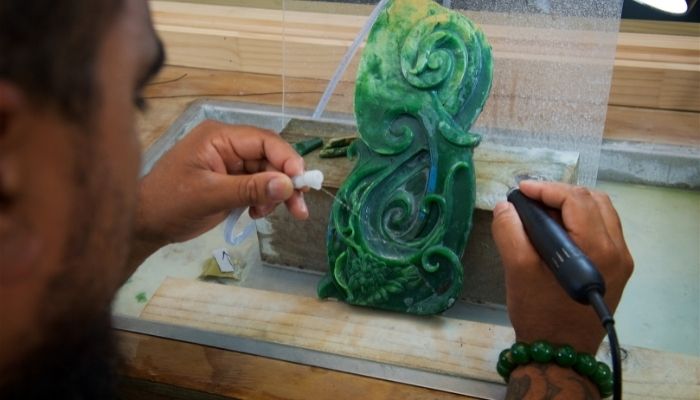
Carving, or tohunga whakairo, is one of the most distinctive and important forms of Māori art. The intricate carvings of Māori are not only decorative but also serve to tell stories, record genealogies, and honor ancestors. Carving is a sacred practice that requires great skill and knowledge, with the artist often being regarded as a tohunga (master craftsman) who has inherited the knowledge of the craft through generations.
The Wharenui and its Carvings
One of the most prominent places where Māori carvings are seen is the wharenui, or meeting house. The wharenui is considered a living embodiment of the tribe’s ancestors, and its carvings represent the spiritual connection between the people and their heritage. The carvings on the exterior and interior of the wharenui are highly symbolic, with each figure, pattern, and design telling a specific story or recounting the genealogy of the tribe.
The most common motifs found in Māori carving include the koru (spiral), which represents new life, growth, and strength, and the manaia (a mythological creature), often depicted as a bird or human figure with a curving body. The use of human and animal forms is also prevalent, symbolizing the connection between the physical and spiritual realms.
Carving also extends to other aspects of Māori life, such as tools, weapons, canoes, and personal adornments. These items often feature detailed patterns and images, transforming everyday objects into works of art that hold both functional and spiritual significance.
Tools and Techniques
Māori carvers traditionally used tools made from stone, bone, and wood, with the most common tools being adzes (toki), chisels (rākau), and scrapers. The carving process is meticulous, with the artist carefully shaping the wood or stone into complex patterns and figures. The techniques passed down through generations emphasize precision, patience, and an understanding of the spiritual meanings behind each design.
Māori Weaving: A Craft of Connection and Function
Weaving, or raranga, is another essential aspect of Māori art and craft. Like carving, weaving is a deeply spiritual practice that connects the weaver to their ancestors and to the natural world. Māori weaving was traditionally used to create a wide variety of functional and ceremonial items, from clothing and mats to baskets and fishing nets.
The Role of Weaving in Māori Culture
Weaving was primarily the responsibility of women in Māori society, and it was considered an important role in the upkeep of the whānau (family) and hapū (subtribe). The most well-known and prestigious woven garment is the kākahu, a cloak made from flax (harakeke) or other natural fibers. The kākahu was often decorated with intricate patterns and designs, and in many cases, adorned with feathers, which were highly prized for their spiritual significance.
Another key woven item is the piupiu, a skirt made from flax leaves and worn during ceremonies, dances, and traditional performances. The weaving of the piupiu is not just about creating a functional garment but also about expressing cultural identity through the patterns and designs, which often represent a person’s tribe or lineage.
Māori weavers are known for their expertise in transforming natural materials such as flax, kiekie, and tūnuka (types of plant fibers) into beautiful and functional creations. The process involves careful harvesting, preparation, and weaving of the fibers, with each step of the process infused with cultural meaning. The act of weaving itself is often seen as a way of connecting with the spiritual world, as it involves the careful intertwining of the fibers, symbolizing the bonds between people, nature, and ancestors.
Patterns and Symbolism in Weaving
Māori weaving patterns are rich in symbolism, with each design conveying specific meanings. Common motifs in Māori weaving include the koru, the ruruku (a design symbolizing protection), and the tikitiki (a triangular pattern symbolizing strength). These patterns, when woven into garments or mats, not only convey cultural knowledge but also serve to honor the ancestors and maintain the connection between past and present.
Contemporary Māori Art: Innovation Meets Tradition
While traditional Māori carving and weaving remain highly revered and practiced, contemporary Māori artists have expanded the boundaries of Māori art, incorporating new media, techniques, and influences into their work. This evolution reflects the dynamic nature of Māori culture and the ability of Māori artists to adapt to the changing world while staying true to their cultural roots.
Contemporary Māori Carving
In contemporary Māori carving, there is a renewed interest in blending traditional forms with modern artistic expressions. Carving is no longer confined to wharenui and ceremonial objects; it has expanded into public art, sculptures, and installations. Artists often incorporate new materials, such as stone, glass, and metal, into their carvings, while still adhering to traditional designs and symbolism.
Notable contemporary Māori carvers, such as carver and artist Rangi Kipa, have pushed the boundaries of Māori art by experimenting with abstract forms and incorporating elements of Māori mythology and history into their works. These contemporary carvings often challenge viewers to reflect on the changing identity of Māori people and their relationship to the world around them.
Contemporary Māori Weaving
Māori weaving has also seen a resurgence in contemporary art, with weavers exploring new techniques and materials while still drawing on traditional motifs and forms. Today, many weavers incorporate synthetic fibers, dyes, and modern design elements into their work, resulting in contemporary pieces that still honor the cultural legacy of weaving.
The work of contemporary Māori weavers such as Ngahuia Te Awekotuku and Florence Martin showcases a modern interpretation of Māori weaving that reflects both the continuity of tradition and the creativity of the individual artist. These weavings often reflect the artist’s personal connection to their heritage, as well as a deep understanding of the cultural significance of weaving.
Digital and Multimedia Art
Māori artists are also exploring new media, such as digital art, video, and multimedia installations, to express their identities and cultural stories. These works often blend traditional Māori symbols, language, and stories with modern technology, creating a fusion of past and present. Artists like Tame Iti and Lisa Reihana have gained international recognition for their ability to merge contemporary art with Māori tradition, pushing the boundaries of what constitutes Māori art in the 21st century.
Conclusion
Māori art and craft are vital expressions of identity, culture, and spirituality that have evolved over centuries. From the intricate carvings that decorate the wharenui to the delicate weavings of cloaks and baskets, Māori art has always been a powerful tool for storytelling and cultural preservation. Today, contemporary Māori artists continue to innovate, blending traditional practices with new forms and materials to create works that speak to the changing realities of Māori life and the wider world. The resilience and creativity of Māori artists ensure that their cultural heritage remains alive and relevant, bridging the gap between the past, present, and future.