Princess Sayako: The Younger Daughter of Crown Prince Fumihito

ist-pasion.com – Princess Sayako, born on November 18, 1993, is the younger daughter of Crown Prince Fumihito (Prince Akishino) and Crown Princess Kiko, making her the younger sister of Princess Mako and Princess Kako. As a member of Japan’s Imperial Family, Princess Sayako’s life has been marked by both the privileges and challenges that come with royal status. Despite her relatively low public profile compared to her elder siblings, she has played an important role in representing the Imperial Family in both Japan and internationally. Princess Sayako’s journey highlights the balance between tradition and modernity in the monarchy, as well as the evolving expectations of royal women in Japan.

Early Life and Education

Princess Sayako was born at the University of Tokyo Hospital, the youngest of three children of Crown Prince Fumihito and Crown Princess Kiko. She grew up in the Imperial Family, living in the Akasaka Estate in Tokyo, where she was exposed to both royal traditions and the normal experiences of family life. Like her older sisters, Princess Mako and Princess Kako, Princess Sayako was raised with a strong focus on education and royal duties.

Princess Sayako attended the Gakushuin School, a prestigious educational institution for members of the Imperial Family, where she excelled in her studies. She later enrolled at the Gakushuin University, where she pursued a degree in literature. Throughout her school years, Princess Sayako demonstrated a keen interest in literature, culture, and social welfare, subjects that would later influence her public roles as a royal.

In addition to her formal education in Japan, Princess Sayako has shown an openness to engaging with global perspectives. While she has generally maintained a quieter profile in comparison to her siblings, her academic background and intellectual pursuits have paved the way for a meaningful role in royal life.

Role in the Imperial Family

As a member of the Japanese Imperial Family, Princess Sayako has been involved in a wide range of royal duties, both ceremonial and diplomatic. She has attended numerous state functions, official events, and cultural celebrations, where she has represented the Imperial Family with grace and composure. Her contributions to the monarchy have been appreciated, even though she has often maintained a more reserved public presence compared to her older sisters.

Princess Sayako’s role within the family is symbolic of the growing importance of younger members of the royal family in the 21st century, particularly as Japan faces challenges related to its succession laws. With the number of male heirs to the Chrysanthemum Throne dwindling, the role of women within the royal family is increasingly in the spotlight. While Princess Sayako is not in the line of succession due to Japan’s Imperial Household Law, her participation in royal duties remains a key aspect of her responsibilities.

Throughout her public appearances, Princess Sayako has often focused on cultural and charitable causes. She has attended events promoting traditional Japanese arts, such as calligraphy and tea ceremonies, and has been involved in activities that raise awareness about social issues, particularly those related to children and welfare.

The Changing Role of Women in the Imperial Family

The role of women in Japan’s Imperial Family has long been a subject of discussion, particularly given the country’s Imperial Household Law, which limits succession to male heirs. As such, women like Princess Sayako have historically had symbolic roles within the royal family, rather than direct involvement in governance or succession.

While women in the Imperial Family cannot ascend to the throne under the current laws, their presence and engagement in public life are still highly significant. Princess Sayako’s involvement in cultural activities, charity work, and state functions illustrates the evolving role of royal women as influential figures in Japanese society, even if they do not play a direct part in the succession.

Princess Sayako’s quiet but steady presence within the Imperial Family reflects the broader modernization of Japan’s monarchy, as the royal family grapples with questions about gender, succession, and public expectations. Her ability to navigate the challenges of being a modern royal woman while remaining respectful of traditional expectations has made her an important figure in Japan’s royal family.

Personal Life and Future

Though Princess Sayako has generally kept her personal life private, it is clear that she is deeply committed to her royal duties. While much of the public’s attention has focused on her elder sisters, Princess Sayako has shown that she is equally devoted to representing the Imperial Family and carrying out her responsibilities with diligence and grace. She remains an important figure in the monarchy, as both a representative of the Imperial Family and a symbol of the younger generation of royals.

In the future, Princess Sayako will likely continue to serve as a key figure in public life, attending ceremonies, promoting cultural heritage, and supporting charitable causes. Though her role may not have the same public visibility as her elder siblings, her contributions will continue to shape the direction of Japan’s royal family as it faces evolving societal and cultural shifts.

Conclusion

Princess Sayako of Japan embodies the balance between royal tradition and modernity that defines the Japanese Imperial Family in the 21st century. As the younger daughter of Crown Prince Fumihito and Crown Princess Kiko, she has quietly but steadily fulfilled her royal duties, representing Japan with dignity and respect for its cultural heritage. While Japan’s Imperial Household Law limits the role of women in the succession line, Princess Sayako’s involvement in public life remains significant and indicative of the shifting landscape of the monarchy.

Her academic pursuits, cultural engagement, and commitment to social causes reflect a modernizing force within the royal family, even as she upholds its rich traditions. Princess Sayako’s role in the Japanese Imperial Family will undoubtedly continue to evolve, and her legacy will be shaped by her contributions to the monarchy in a rapidly changing world.
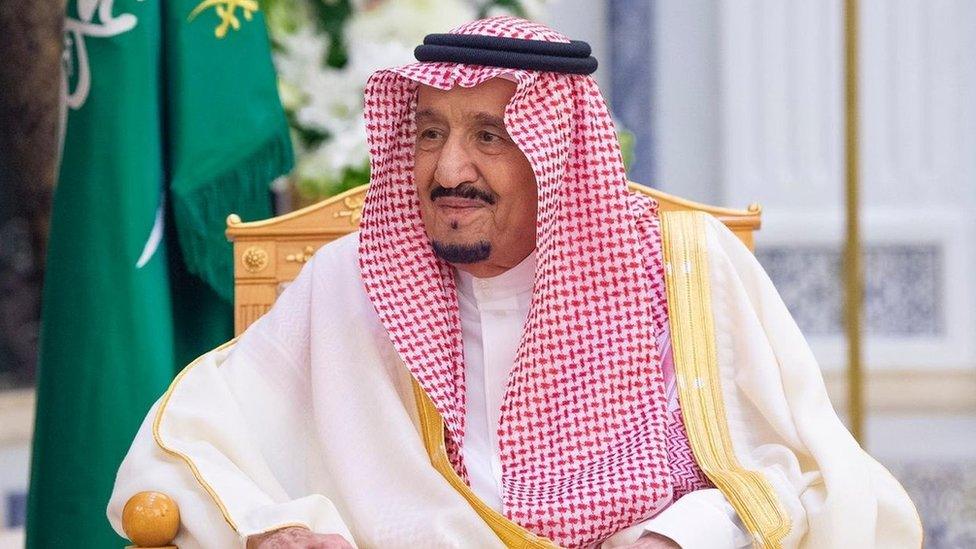
Prince Sultan bin Abdulaziz: Saudi Arabia’s Former Crown Prince

ist-pasion.com – Prince Sultan bin Abdulaziz Al Saud (1928-2011) was a key figure in Saudi Arabia’s modern history, serving as Crown Prince of the Kingdom for nearly a decade. His contributions to the development of the Kingdom, both domestically and internationally, shaped Saudi Arabia’s position as a powerful and influential nation in the Middle East and beyond. Known for his dedication to public service, Prince Sultan played a pivotal role in the economic, military, and social advancement of Saudi Arabia. His leadership was instrumental in the Kingdom’s strategic development, modernization efforts, and in fostering strong international relations.

Early Life and Background

Born in 1928 in Riyadh, Prince Sultan was the 11th son of Abdulaziz Ibn Saud, the founder of modern Saudi Arabia, and a member of the powerful Al Saud family. Raised in the royal court, Prince Sultan was exposed to the governance of the Kingdom from a young age, as his father worked to unify the various tribes and regions of the Arabian Peninsula. The young prince was educated in Saudi Arabia and later received training in public administration, preparing him for a leadership role in the future.

His early career was marked by his military service and involvement in public affairs. Prince Sultan held various administrative roles within the Kingdom, including leadership positions in the Ministry of Communications and the Ministry of Defense, before assuming the role of Crown Prince in 2005, following the death of his brother, King Fahd.

Prince Sultan’s Role as Minister of Defense

One of Prince Sultan’s most significant contributions to Saudi Arabia was his role as Minister of Defense, a position he held from 1962 until his death. His leadership in the defense sector was crucial in transforming Saudi Arabia’s military capabilities, as he worked to modernize the armed forces and strengthen the Kingdom’s national security infrastructure.

Under his leadership, the Saudi military saw significant modernization, including the acquisition of advanced defense technology, military equipment, and the development of a well-trained, professional army. Prince Sultan was particularly instrumental in strengthening Saudi Arabia’s defense partnerships with Western nations, particularly the United States, securing key defense agreements that allowed Saudi Arabia to enhance its military readiness.

Prince Sultan also played an important role in the regional defense efforts, ensuring that Saudi Arabia was prepared for any potential threats from neighboring countries, including Iraq and Iran. His strategic decisions were critical during the Gulf War in 1990-1991, where Saudi Arabia played a central role in the international coalition that repelled the Iraqi invasion of Kuwait.

Economic and Social Development Initiatives

Beyond defense, Prince Sultan was a driving force behind Saudi Arabia’s economic diversification and modernization efforts. As Minister of Defense, he was not only responsible for military affairs but also for overseeing significant infrastructure projects that supported the Kingdom’s broader economic goals.

Prince Sultan’s leadership extended to various sectors of Saudi Arabia’s development, including the expansion of its oil and gas industry. He worked to ensure that the country’s energy resources were managed effectively, while also supporting initiatives to diversify the economy and reduce reliance on oil. His involvement in planning and overseeing economic projects helped shape the Kingdom’s modern infrastructure, including the construction of airports, ports, and highways that facilitated trade and transportation.

Additionally, Prince Sultan was a key figure in Saudi Arabia’s health and education sectors. He was a strong advocate for improvements in healthcare and education, leading to significant investments in the Kingdom’s medical facilities and educational institutions. His contributions to the development of universities and hospitals across Saudi Arabia have had a lasting impact on the Kingdom’s social and economic fabric.

Prince Sultan’s Diplomacy and International Influence

Prince Sultan was also a skilled diplomat who represented Saudi Arabia on the international stage. He was involved in numerous diplomatic efforts, helping to strengthen Saudi Arabia’s relationships with other Arab nations, as well as key global powers. His work in maintaining close ties with Western countries, particularly the United States, was crucial in ensuring the Kingdom’s strategic interests were advanced.

Prince Sultan’s diplomatic efforts were not limited to defense matters; he also played a significant role in Saudi Arabia’s approach to the Arab-Israeli conflict and the broader Middle Eastern political landscape. He was an advocate for peace in the region, supporting the Arab Peace Initiative proposed by Saudi Arabia in 2002, which called for a two-state solution to the Israeli-Palestinian conflict in exchange for Arab recognition of Israel.

He also sought to mediate and provide solutions to regional conflicts, including those in Lebanon and Yemen, working behind the scenes to promote stability in the region. His leadership on the global stage earned him respect among international leaders and helped position Saudi Arabia as a major player in global geopolitics.

Succession and Legacy as Crown Prince

In 2005, following the death of King Fahd, Prince Sultan was named Crown Prince of Saudi Arabia. Although he did not ascend to the throne before his death in 2011, his tenure as Crown Prince was marked by continued progress and modernization in Saudi Arabia. He worked to ensure stability within the royal family and the Kingdom, promoting internal reforms while upholding the Kingdom’s traditional values.

Prince Sultan’s legacy as Crown Prince is defined by his dedication to Saudi Arabia’s development, both in terms of security and social infrastructure. His efforts to strengthen the Kingdom’s military and economic foundation laid the groundwork for Saudi Arabia’s future growth and global influence. His commitment to modernization in various sectors contributed to the transformation of Saudi Arabia into a major economic and political power in the region.

Philanthropy and Charitable Contributions

Prince Sultan was also known for his philanthropic efforts. Throughout his life, he contributed generously to charitable causes in Saudi Arabia and beyond, focusing on humanitarian initiatives in healthcare, education, and disaster relief. He established several foundations aimed at improving the lives of the less fortunate, and his legacy of giving continues through the institutions he helped create.

Conclusion

Prince Sultan bin Abdulaziz’s legacy is that of a dedicated leader who played an instrumental role in shaping the modern Kingdom of Saudi Arabia. As Crown Prince, Minister of Defense, and a key diplomatic figure, he was a driving force behind the country’s economic development, military modernization, and international stature. His leadership and vision continue to influence Saudi Arabia today, and his contributions to the Kingdom’s progress will be remembered for generations. The impact of his work on the security, economy, and international standing of Saudi Arabia ensures that his legacy endures as one of the defining figures in the history of the Kingdom.

Sovereign Savories: Flavors of the Crown

ist-pasion.com – The culinary traditions of royal courts have long fascinated historians and food enthusiasts alike. These sovereign savories, crafted for kings and queens, embody the rich tapestry of cultural influences, luxurious ingredients, and elaborate preparations that define regal dining experiences. Let’s uncover the flavors of the crown and explore the historical and cultural significance of royal cuisine.

A Culinary Journey Through Time

Royal cuisine is a journey through time, reflecting the evolution of culinary practices and societal changes. Each dish tells a story of the era it represents, from the lavish banquets of medieval Europe to the refined elegance of Asian imperial courts. These meals were not just about indulgence; they were carefully curated events that showcased the grandeur and sophistication of the monarchy.

Symbolism and Significance

In the realm of royal dining, every ingredient, spice, and presentation held symbolic significance. Gold leaf, saffron, and other costly additions were not just for flavor but were status symbols that demonstrated wealth and power. Many dishes were designed to convey political messages or celebrate important events, making them integral to the narrative of the ruling dynasty.

The Role of Exotic Ingredients

Exotic ingredients played a central role in royal kitchens, introducing new flavors and culinary techniques. The spice trade, for example, brought cinnamon, cloves, and nutmeg to Europe, transforming the taste profiles of royal dishes. Similarly, the introduction of chocolate and vanilla from the New World revolutionized desserts at European courts, creating a lasting legacy that continues today.

The Artistry of Presentation

The presentation of royal cuisine was nothing short of theatrical. Dishes were often crafted to resemble animals, mythical creatures, or famous landmarks, combining artistry with culinary skill. This emphasis on visual appeal enhanced the dining experience, turning each meal into a spectacle that delighted guests and reinforced the court’s cultural sophistication.

Culinary Innovations and Legacy

Royal kitchens were hotbeds of innovation, where chefs experimented with new cooking techniques and flavor combinations. This spirit of creativity led to the development of many classic dishes that have become staples in modern cuisine. The legacy of these culinary innovations can be seen in the techniques and recipes that are still used by chefs around the world.

Conclusion

Sovereign savories offer a window into the opulent world of royal courts, where flavors of the crown were crafted with precision and care. These dishes were more than just meals; they were expressions of power, culture, and artistry. By exploring the rich history and lasting impact of royal cuisine, we gain a deeper appreciation for the culinary traditions that continue to influence our tastes and dining experiences today. The flavors of the crown remain a testament to the enduring allure of regal gastronomy.