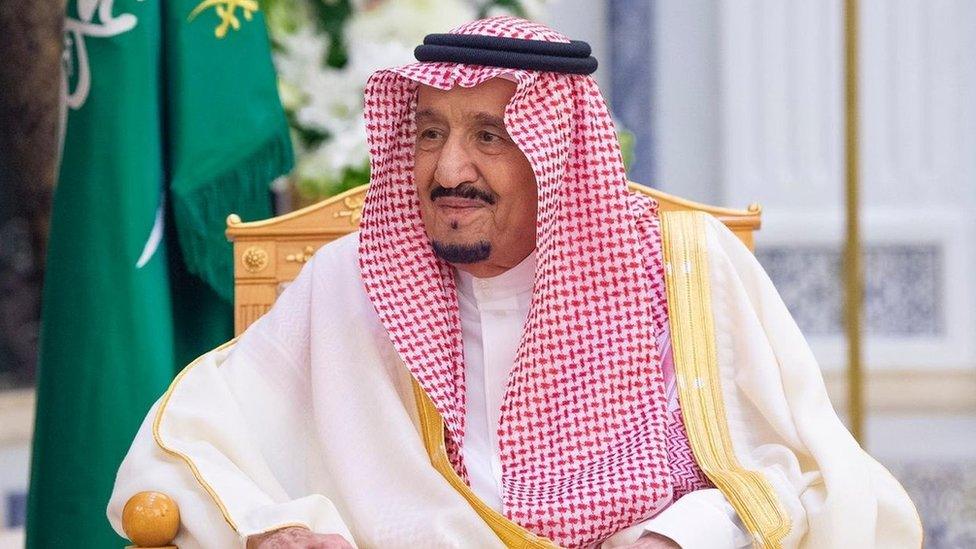
Prince Sultan bin Abdulaziz: Saudi Arabia’s Former Crown Prince

ist-pasion.com – Prince Sultan bin Abdulaziz Al Saud (1928-2011) was a key figure in Saudi Arabia’s modern history, serving as Crown Prince of the Kingdom for nearly a decade. His contributions to the development of the Kingdom, both domestically and internationally, shaped Saudi Arabia’s position as a powerful and influential nation in the Middle East and beyond. Known for his dedication to public service, Prince Sultan played a pivotal role in the economic, military, and social advancement of Saudi Arabia. His leadership was instrumental in the Kingdom’s strategic development, modernization efforts, and in fostering strong international relations.

Early Life and Background

Born in 1928 in Riyadh, Prince Sultan was the 11th son of Abdulaziz Ibn Saud, the founder of modern Saudi Arabia, and a member of the powerful Al Saud family. Raised in the royal court, Prince Sultan was exposed to the governance of the Kingdom from a young age, as his father worked to unify the various tribes and regions of the Arabian Peninsula. The young prince was educated in Saudi Arabia and later received training in public administration, preparing him for a leadership role in the future.

His early career was marked by his military service and involvement in public affairs. Prince Sultan held various administrative roles within the Kingdom, including leadership positions in the Ministry of Communications and the Ministry of Defense, before assuming the role of Crown Prince in 2005, following the death of his brother, King Fahd.

Prince Sultan’s Role as Minister of Defense

One of Prince Sultan’s most significant contributions to Saudi Arabia was his role as Minister of Defense, a position he held from 1962 until his death. His leadership in the defense sector was crucial in transforming Saudi Arabia’s military capabilities, as he worked to modernize the armed forces and strengthen the Kingdom’s national security infrastructure.

Under his leadership, the Saudi military saw significant modernization, including the acquisition of advanced defense technology, military equipment, and the development of a well-trained, professional army. Prince Sultan was particularly instrumental in strengthening Saudi Arabia’s defense partnerships with Western nations, particularly the United States, securing key defense agreements that allowed Saudi Arabia to enhance its military readiness.

Prince Sultan also played an important role in the regional defense efforts, ensuring that Saudi Arabia was prepared for any potential threats from neighboring countries, including Iraq and Iran. His strategic decisions were critical during the Gulf War in 1990-1991, where Saudi Arabia played a central role in the international coalition that repelled the Iraqi invasion of Kuwait.

Economic and Social Development Initiatives

Beyond defense, Prince Sultan was a driving force behind Saudi Arabia’s economic diversification and modernization efforts. As Minister of Defense, he was not only responsible for military affairs but also for overseeing significant infrastructure projects that supported the Kingdom’s broader economic goals.

Prince Sultan’s leadership extended to various sectors of Saudi Arabia’s development, including the expansion of its oil and gas industry. He worked to ensure that the country’s energy resources were managed effectively, while also supporting initiatives to diversify the economy and reduce reliance on oil. His involvement in planning and overseeing economic projects helped shape the Kingdom’s modern infrastructure, including the construction of airports, ports, and highways that facilitated trade and transportation.

Additionally, Prince Sultan was a key figure in Saudi Arabia’s health and education sectors. He was a strong advocate for improvements in healthcare and education, leading to significant investments in the Kingdom’s medical facilities and educational institutions. His contributions to the development of universities and hospitals across Saudi Arabia have had a lasting impact on the Kingdom’s social and economic fabric.

Prince Sultan’s Diplomacy and International Influence

Prince Sultan was also a skilled diplomat who represented Saudi Arabia on the international stage. He was involved in numerous diplomatic efforts, helping to strengthen Saudi Arabia’s relationships with other Arab nations, as well as key global powers. His work in maintaining close ties with Western countries, particularly the United States, was crucial in ensuring the Kingdom’s strategic interests were advanced.

Prince Sultan’s diplomatic efforts were not limited to defense matters; he also played a significant role in Saudi Arabia’s approach to the Arab-Israeli conflict and the broader Middle Eastern political landscape. He was an advocate for peace in the region, supporting the Arab Peace Initiative proposed by Saudi Arabia in 2002, which called for a two-state solution to the Israeli-Palestinian conflict in exchange for Arab recognition of Israel.

He also sought to mediate and provide solutions to regional conflicts, including those in Lebanon and Yemen, working behind the scenes to promote stability in the region. His leadership on the global stage earned him respect among international leaders and helped position Saudi Arabia as a major player in global geopolitics.

Succession and Legacy as Crown Prince

In 2005, following the death of King Fahd, Prince Sultan was named Crown Prince of Saudi Arabia. Although he did not ascend to the throne before his death in 2011, his tenure as Crown Prince was marked by continued progress and modernization in Saudi Arabia. He worked to ensure stability within the royal family and the Kingdom, promoting internal reforms while upholding the Kingdom’s traditional values.

Prince Sultan’s legacy as Crown Prince is defined by his dedication to Saudi Arabia’s development, both in terms of security and social infrastructure. His efforts to strengthen the Kingdom’s military and economic foundation laid the groundwork for Saudi Arabia’s future growth and global influence. His commitment to modernization in various sectors contributed to the transformation of Saudi Arabia into a major economic and political power in the region.

Philanthropy and Charitable Contributions

Prince Sultan was also known for his philanthropic efforts. Throughout his life, he contributed generously to charitable causes in Saudi Arabia and beyond, focusing on humanitarian initiatives in healthcare, education, and disaster relief. He established several foundations aimed at improving the lives of the less fortunate, and his legacy of giving continues through the institutions he helped create.

Conclusion

Prince Sultan bin Abdulaziz’s legacy is that of a dedicated leader who played an instrumental role in shaping the modern Kingdom of Saudi Arabia. As Crown Prince, Minister of Defense, and a key diplomatic figure, he was a driving force behind the country’s economic development, military modernization, and international stature. His leadership and vision continue to influence Saudi Arabia today, and his contributions to the Kingdom’s progress will be remembered for generations. The impact of his work on the security, economy, and international standing of Saudi Arabia ensures that his legacy endures as one of the defining figures in the history of the Kingdom.

Sheikha Fariha Al-Ahmad Al-Jaber Al-Sabah: A Legacy of Charity

ist-pasion.com – Sheikha Fariha Al-Ahmad Al-Jaber Al-Sabah, a late member of the Kuwaiti royal family, left an indelible mark on the country and beyond through her exceptional charity work and staunch advocacy for women’s rights. Known for her compassion and dedication to improving the lives of others, particularly women and marginalized groups, Sheikha Fariha’s legacy continues to inspire many. Throughout her life, she was a vocal proponent for gender equality, social justice, and community empowerment, helping to transform Kuwait’s approach to charitable giving and women’s rights.

Early Life and Royal Background

Sheikha Fariha was born into the esteemed Al Sabah family, Kuwait’s ruling royal family, which has a long-standing history of leadership and public service. The Al Sabah family has been instrumental in the governance of Kuwait for centuries, and Sheikha Fariha, as part of this prominent family, grew up with a strong sense of duty and responsibility to her country and its people.

Sheikha Fariha was well-educated and developed a keen understanding of the world’s social and political issues. Her royal status, coupled with her education, provided her with the unique opportunity to bring attention to causes that mattered most to her, particularly the well-being of women and the importance of charitable work.

Advocacy for Women’s Rights

Sheikha Fariha Al-Ahmad Al-Jaber Al-Sabah was an unwavering advocate for women’s rights, particularly in Kuwait and the Gulf region. While many women in the Middle East face significant barriers to equality, Sheikha Fariha used her position and influence to challenge societal norms, advocating for women’s empowerment, education, and participation in the workforce.

Throughout her life, Sheikha Fariha worked tirelessly to break down the cultural and societal barriers that often prevented women from fully participating in society. She believed that true progress could only be achieved by ensuring that women had equal opportunities in education, employment, and leadership roles. Her efforts to promote gender equality extended beyond mere advocacy; she worked directly with organizations and government bodies to create tangible change for women in Kuwait.

Sheikha Fariha’s efforts were especially significant during a time when many Middle Eastern countries were grappling with the limitations placed on women’s rights. Her advocacy for women’s education and empowerment served as a source of inspiration to countless women in Kuwait and the wider Gulf region, encouraging them to pursue their dreams and fight for their rights.

Charitable Work and Philanthropy

One of Sheikha Fariha’s most enduring legacies is her extensive philanthropic work. She was deeply committed to addressing the needs of the most vulnerable members of Kuwaiti society, including orphans, the elderly, and those with disabilities. Her charitable efforts spanned a wide range of initiatives, from supporting medical care and education to providing financial assistance for those in need.

As a passionate advocate for social justice, Sheikha Fariha played a pivotal role in the establishment and support of several charitable organizations, both within Kuwait and internationally. Through her philanthropic work, she sought to alleviate poverty, improve healthcare, and provide essential resources to underserved communities. Her contributions to healthcare initiatives, particularly those focused on children and women’s health, were invaluable, and she was known for her hands-on approach in ensuring that aid reached those who needed it most.

Sheikha Fariha also contributed to various cultural and educational programs, believing that access to knowledge and opportunity was key to addressing social inequalities. Her work in these fields has had a lasting impact, as she inspired others to give back to their communities and work toward a more just and equitable society.

Support for Women’s Empowerment Through Education

A key element of Sheikha Fariha’s advocacy was her belief in the power of education to uplift women and transform society. She strongly supported initiatives that provided women with access to education and vocational training, seeing it as the foundation for women to achieve economic independence and social empowerment.

In Kuwait, Sheikha Fariha worked closely with institutions to ensure that women had access to the highest levels of education. Her efforts to encourage girls’ education and expand opportunities for women in various professional fields were groundbreaking, and she worked to ensure that young women in Kuwait could pursue careers in sectors traditionally dominated by men, such as engineering, law, and business.

Through her charity work, Sheikha Fariha also supported scholarships and educational programs aimed at helping disadvantaged women gain the skills they needed to succeed. She was deeply committed to ensuring that women were not only educated but empowered to take on leadership roles in both the private and public sectors.

Health and Social Welfare Initiatives

Sheikha Fariha’s charitable contributions extended to healthcare and social welfare programs that aimed to improve the quality of life for many people in Kuwait. She played a significant role in supporting hospitals, clinics, and community health initiatives, ensuring that individuals had access to the medical care they needed.

In addition to her work in healthcare, Sheikha Fariha was deeply involved in social welfare programs that addressed issues such as homelessness, domestic violence, and the plight of refugees. Her efforts to provide shelter, food, and medical assistance to those in need were a testament to her compassion and commitment to making the world a better place.

Her work also focused on mental health, where she advocated for increased awareness and support for individuals struggling with psychological challenges. In Kuwait, mental health care has traditionally been a sensitive topic, but Sheikha Fariha’s advocacy helped to raise awareness and create more open discussions about mental health issues in the country.

A Lasting Legacy

Sheikha Fariha Al-Ahmad Al-Jaber Al-Sabah passed away in 2020, but her legacy continues to live on in the countless lives she touched through her charitable work, advocacy, and leadership. Her commitment to improving the lives of women, children, and marginalized communities has left a profound and lasting impact on Kuwait and the broader Gulf region.

Her vision for a more inclusive, just, and compassionate society continues to inspire new generations of leaders, particularly women, to fight for equality, social justice, and the rights of vulnerable populations. Sheikha Fariha’s life and work stand as a powerful reminder of the importance of philanthropy and the potential of individuals to make meaningful change in their communities.

Conclusion

Sheikha Fariha Al-Ahmad Al-Jaber Al-Sabah’s legacy is defined by her dedication to charitable causes and her lifelong advocacy for women’s rights. As a member of Kuwait’s royal family, she used her platform and influence to challenge societal norms, promote gender equality, and improve the lives of countless individuals in need. Through her philanthropic efforts, Sheikha Fariha transformed the lives of many, leaving behind a powerful example of how one person can make a lasting difference in the world. Her life continues to serve as an inspiration for all those working toward social justice, women’s empowerment, and community development.

Maribel Verdú: A Versatile Actress with a Lasting Legacy

ist-pasion.com – Maribel Verdú, a highly respected and versatile actress, has been a steadfast presence in Spanish cinema for decades. Born on October 6, 1970, in Madrid, Spain, Verdú has captivated audiences with her exceptional talent, natural charm, and ability to effortlessly embody a wide range of characters.

Early Life and Career Beginnings

Verdú’s passion for acting began at a young age. She started her career in the 1980s, appearing in television series and films. However, it was her role in the 1992 film “Belle Époque” that brought her widespread recognition and critical acclaim. Her portrayal of Luz, a young woman navigating the complexities of love and desire, showcased her talent for delivering nuanced and emotionally charged performances.

A Prolific Career

Throughout her career, Verdú has collaborated with renowned Spanish directors such as Pedro Almodóvar, Fernando Trueba, and Alejandro Amenábar. Her work with Almodóvar, particularly in films like “Live Flesh” and “All About My Mother,” further solidified her reputation as a leading actress.

Verdú’s versatility as an actress is evident in her ability to seamlessly transition between dramatic and comedic roles. She has starred in a wide range of films, from historical dramas to contemporary thrillers. Her performances are often marked by their authenticity and emotional depth, allowing her to connect with audiences on a profound level.

A Global Recognition

In recent years, Verdú has gained international recognition for her work in Spanish-language films that have been widely distributed and acclaimed worldwide. Her role in the Netflix series “Élite” has further expanded her global fanbase.

A Lasting Legacy

Maribel Verdú’s contributions to Spanish cinema are immeasurable. Her dedication to her craft, her ability to embody complex characters, and her natural talent have made her one of the most respected and beloved actresses in Spain. As she continues to take on challenging and diverse roles, Verdú’s legacy as a true icon of Spanish cinema is assured.

From Braga to Évora: Portugal’s Roman Legacy

ist-pasion.com – Portugal, a country with a rich tapestry of historical influences, boasts a significant Roman legacy that spans from the northern city of Braga to the southern town of Évora. This legacy is not just a testament to the architectural prowess and engineering skills of the Roman Empire but also a reflection of the deep cultural and societal impacts that the Romans had on the Iberian Peninsula.

The Northern Echoes: Braga

Braga, one of the oldest Christian cities in the world, was known to the Romans as Bracara Augusta. It served as the capital of the Roman province of Gallaecia and is home to some of the most impressive Roman ruins in Portugal. The city’s Roman legacy is most evident in the Cividade de Briteiros, an ancient hillfort settlement that dates back to the Iron Age and was later occupied by the Romans. The site includes a Roman bathhouse, a temple, and a forum, providing a glimpse into the daily life of a Roman town.

The Aqueducts of Évora

Évora, a UNESCO World Heritage site, is another jewel in Portugal’s Roman crown. The city’s most iconic Roman monument is the Aqueduto da Água de Prata (Aqueduct of Silver Water), a marvel of Roman engineering that once supplied fresh water to the city. Built in the 2nd century AD, the aqueduct stretches for over 18 kilometers and is a testament to the Romans’ ability to harness nature for the benefit of their cities. The aqueduct’s arches are a common sight in Évora, with some parts of the structure still in use today.

The Roman Temple of Évora

Perhaps the most striking Roman monument in Portugal is the Temple of Évora, also known as the Templo de Diana. This well-preserved temple, dating back to the 1st century BC, is believed to have been dedicated to the goddess Diana, although it may have also served other deities. The temple’s Corinthian columns and elegant design have made it a symbol of Évora and a must-visit site for anyone interested in Roman history.

The Impact on Modern Portugal

The Roman legacy in Portugal extends beyond the physical remains of their buildings and infrastructure. The Romans introduced new agricultural practices, legal systems, and cultural norms that have had a lasting impact on the region. The Latin language, for example, evolved into Portuguese, and Roman Catholicism, with its roots in Roman Christianity, remains the dominant religion in Portugal.

Conclusion

Portugal’s Roman legacy is a reminder of the empire’s far-reaching influence and its ability to shape the world in profound ways. From the ancient ruins of Braga to the majestic aqueducts of Évora, these sites not only offer a glimpse into the past but also serve as a bridge between different eras of human civilization. As visitors explore these historical treasures, they can’t help but marvel at the enduring legacy of the Roman Empire in Portugal.