Salo: The Rich and Flavorful Cured Pork Fat

ist-pasion.com – Salo is a traditional Eastern European delicacy that has been enjoyed for centuries, particularly in Ukraine, Russia, and Poland. This unique dish consists of cured pork fat, often served thinly sliced and accompanied by bread, garlic, and sometimes onions or pickles. While it may sound simple, salo holds a special place in the hearts of many, prized for its rich flavor and versatility. It is more than just a food item; it’s a part of the cultural heritage in many Eastern European countries.

The Process of Making Salo

The preparation of salo involves curing pork fat, typically taken from the belly or back of the pig. The fat is carefully salted and sometimes seasoned with additional spices, garlic, or herbs. This curing process preserves the fat and enhances its flavor, allowing it to be stored for long periods.

There are several methods of curing salo:

  • Dry Curing: In the dry curing method, the pork fat is rubbed with a generous amount of salt and sometimes garlic, pepper, or other seasonings. It is then left to cure for several weeks, allowing the flavors to develop.
  • Brining: In this method, the pork fat is submerged in a salty brine, sometimes with additional spices like bay leaves, coriander, or dill. This creates a slightly different flavor profile compared to dry curing.
  • Smoking: Some variations of salo involve smoking the cured fat, which imparts a smoky flavor that enhances the overall taste. The fat is smoked slowly over wood, adding depth to its flavor.

Once cured, salo can be eaten as-is or further aged to intensify its flavor. It can be stored for months in cool, dry conditions, making it an excellent long-lasting food source.

Serving Salo

Salo is traditionally served thinly sliced, often on slices of hearty bread. The fat itself has a smooth, melt-in-your-mouth texture, and when paired with the right accompaniments, it becomes a delightful treat. Some common ways to serve salo include:

  • With Garlic and Bread: The simplest and most traditional way to enjoy salo is with thick, crusty bread and a smear of crushed garlic. The garlic enhances the rich, savory flavor of the fat, and the bread serves as a perfect base.
  • Pickles: Many people serve salo alongside pickled vegetables, such as cucumbers or tomatoes. The acidity of the pickles contrasts beautifully with the richness of the fat.
  • Onions: Thinly sliced onions, often raw or pickled, are another common accompaniment. Their sharpness complements the fatty texture of the salo, balancing the flavors.
  • Spices: In some variations, salo is seasoned with black pepper, paprika, or other spices before being served. This adds an extra layer of flavor and complexity.

Salo is often enjoyed as a snack or appetizer, but it can also be served as part of a larger meal. It is commonly eaten with strong drinks like vodka, which help cut through the richness of the fat.

Cultural Significance of Salo

Salo is more than just a food item; it is a symbol of tradition, resilience, and cultural pride in Eastern Europe. Historically, salo was a vital source of nutrition, especially in rural areas where it was often produced at home and stored for the winter months. The preservation of pork fat through curing allowed families to have a reliable food source during harsh seasons when fresh food was scarce.

In Ukraine, salo is considered a national treasure and has even been honored in songs, poems, and folklore. It is often associated with hospitality and is commonly served at family gatherings, celebrations, and holidays.

In addition to its culinary role, salo has also found its way into the world of folk medicine. It is believed by some to have healing properties, especially for respiratory issues, and is sometimes used in homemade remedies.

Variations of Salo Around the World

While salo is most closely associated with Ukraine, Russia, and Poland, similar dishes can be found in other parts of the world:

  • Lardo: In Italy, a similar product known as “lardo” is made from the fatty layer of pig’s back and is cured with herbs and spices. Lardo is often sliced thin and served on bread, much like salo.
  • Speck: In Austria and Germany, speck is a type of cured pork fat that is smoked and seasoned. While it is typically leaner than salo, it shares similarities in flavor and texture.
  • Sjömat (Swedish Lard): In Sweden, a variation of cured lard called “sjømat” is made, and it is sometimes flavored with juniper berries or other herbs. It is served with bread or crackers, similar to salo.
  • Bacon: While bacon is often cooked, the idea of preserving pork fat is present in many cultures around the world, from American bacon to various regional types of pancetta.

Conclusion

Salo is a simple yet luxurious dish that has deep roots in Eastern European culinary traditions. Its rich, salty flavor and smooth texture make it a beloved treat, enjoyed by many as a snack, appetizer, or part of a larger meal. Whether served with garlic, bread, pickles, or onions, salo provides a delicious and hearty experience that connects people to their cultural heritage. For those who appreciate bold flavors and time-honored traditions, salo is a must-try dish that continues to delight and satisfy.

Patties: The Origins of Patties – A Jamaican Culinary Delight

ist-pasion.com – Patties are a popular Jamaican snack or meal that offers a delicious blend of flavors and textures. These savory pastries are typically made with a flaky crust filled with a variety of ingredients, such as beef, chicken, or vegetables. They are often enjoyed on their own or as part of a larger meal.

The Origins of Patties

The exact origins of patties are somewhat unclear, but they are believed to have Caribbean roots, influenced by British and Indian culinary traditions. The flaky pastry is reminiscent of British pasties, while the spicy fillings are reminiscent of Indian curries. Over time, Jamaican cooks have adapted these influences to create their own unique style of patties.

The Filling

The filling is the heart of a patty. It can range from mild to spicy, depending on the ingredients and the desired level of heat. Some popular fillings include:

  • Beef: A classic choice, beef patties are often seasoned with a blend of spices like thyme, allspice, and Scotch bonnet peppers.
  • Chicken: Chicken patties offer a milder flavor and are a popular option for those who prefer a less spicy dish.
  • Vegetable: Vegetarian patties are filled with a mixture of vegetables like carrots, potatoes, and green peas, seasoned with herbs and spices.

The Crust

The crust is another crucial component of a patty. It’s typically made from a flaky pastry dough that is rolled out, filled with the desired filling, and then folded and sealed. The crust is often brushed with egg wash before baking, which gives it a golden-brown color and a crispy texture.

Serving Suggestions

Patties can be enjoyed in a variety of ways. They are often served hot, straight from the oven or deep fryer. Some people like to eat them on their own, while others prefer to pair them with a side of ketchup, mustard, or a spicy dipping sauce. Patties can also be incorporated into larger meals, such as breakfast or brunch.

Patties in Jamaican Culture

Patties are a beloved part of Jamaican culture. They are a popular street food, often sold from roadside vendors or at local markets. They are also available in supermarkets and bakeries throughout the country. Patties are a versatile and satisfying food that can be enjoyed by people of all ages.

Rasmalai: A Heavenly Delight – A Culinary Delight

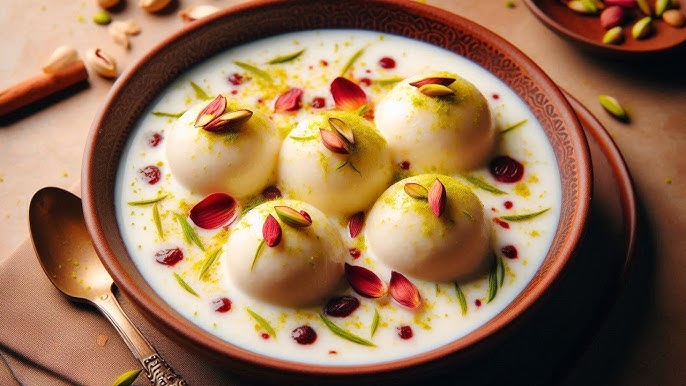
ist-pasion.com – Rasmalai, a delicate and luscious Indian dessert, is a true masterpiece of culinary artistry. It consists of soft, spongy cheese dumplings, known as chhena, soaked in a rich, creamy, and delicately flavored milk. This heavenly dessert is a popular choice for special occasions and celebrations.

The Art of Making Rasmalai

Making Rasmalai is a meticulous process that requires patience and precision. The first step involves curdling milk to obtain chhena, a soft, cottage cheese-like substance. The chhena is then kneaded to a smooth dough and shaped into small, round dumplings.

The next step is to cook the dumplings in simmering milk. As the dumplings cook, they absorb the milk, becoming soft and spongy. Once cooked, the dumplings are transferred to a sweetened, cardamom-flavored milk, where they are allowed to soak for several hours.

The Secret to Perfect Rasmalai

The key to perfect Rasmalai lies in the quality of the chhena and the richness of the milk. The chhena should be soft and pliable, while the milk should be creamy and flavorful. The balance of sweetness and the delicate aroma of cardamom are also crucial factors in creating a truly exceptional Rasmalai.

A Culinary Delight

Rasmalai is a visual and culinary delight. The soft, white dumplings, soaked in the golden-hued milk, create a stunning contrast. The delicate sweetness of the dessert, combined with the rich, creamy texture, is a truly indulgent experience.

A Modern Twist

While the traditional Rasmalai remains a classic, modern variations have emerged. Some chefs experiment with different flavors, such as chocolate or saffron, while others play with the shape and size of the dumplings. However, the core essence of Rasmalai, its soft, spongy texture and rich, creamy flavor, remains unchanged.

A Sweet Ending

Rasmalai is a timeless dessert that has captivated the hearts of sweet lovers for generations. Its delicate beauty and exquisite taste make it a perfect ending to any meal. So, the next time you crave a truly indulgent dessert, treat yourself to a bowl of heavenly Rasmalai and experience the magic of this Indian delicacy.

Locro: A Hearty South American Stew – Variations of Locro

ist-pasion.com – Locro is a traditional South American stew, particularly popular in Argentina. It’s a hearty and comforting dish, perfect for cold winter days. The main ingredients of locro are white beans, corn, squash, and meat, typically pork or beef.

The Origins of Locro

The origins of locro can be traced back to the indigenous people of South America, who incorporated this stew into their culinary traditions. Over time, the dish evolved, influenced by Spanish colonization and the introduction of new ingredients.

The Classic Locro

The classic locro is a rich and flavorful stew that is often served with a side of chorizo sausage. The white beans, corn, and squash are cooked together until they are tender and then combined with the meat. The stew is typically seasoned with salt, pepper, and cumin.

Variations of Locro

While the classic locro is delicious, there are many variations on this dish. Here are a few popular options:

  • Locro Vegetariano: A vegetarian version of locro is made with vegetable broth and can be just as satisfying as the meat-based version.
  • Locro con Chorizo: This version includes chorizo sausage, which adds a smoky, spicy flavor to the stew.
  • Locro con Queso: Some people like to add cheese to their locro, which adds a creamy, rich flavor.

How to Enjoy Locro

Locro is typically served hot, often in a large communal pot. It’s a perfect dish for sharing with family and friends. The stew can be enjoyed on its own or with a side of bread or crackers.

Making Locro at Home

Making locro at home can be a bit time-consuming, but it’s well worth the effort. Here’s a basic recipe:

Ingredients:

  • White beans
  • Corn
  • Squash
  • Pork or beef
  • Onion
  • Garlic
  • Bay leaf
  • Salt and pepper

Instructions:

  1. Cook the Beans: Soak the white beans overnight, then drain and rinse them. Cook the beans in a large pot of water until they are tender.
  2. Cook the Meat: Brown the meat in a large pot.
  3. Combine Ingredients: Add the corn, squash, onion, garlic, and bay leaf to the pot with the meat.
  4. Simmer: Add the cooked beans and enough water to cover the ingredients. Simmer until the stew is thickened and the flavors have blended.
  5. Season: Season the stew with salt and pepper to taste.

Conclusion

Locro is a hearty and comforting dish that has been enjoyed in South America for centuries. Its rich flavors and satisfying texture make it a perfect choice for a cold winter day. Whether you’re enjoying it in a restaurant or making it at home, locro is sure to warm you up from the inside out.

Truffles: The Diamond of the Culinary World

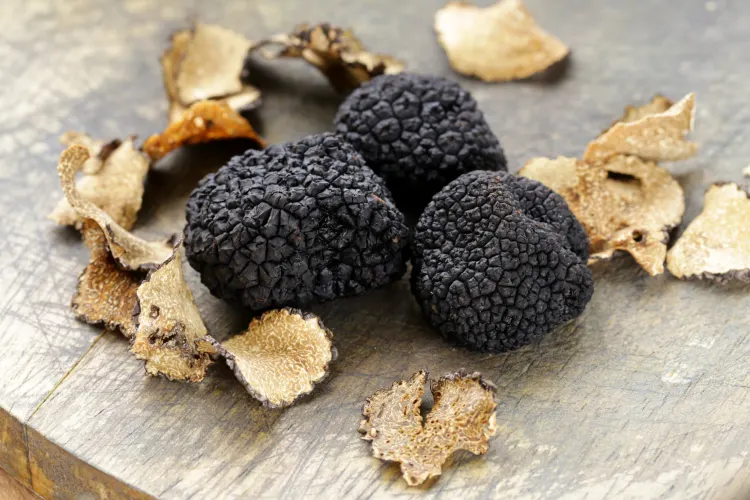
ist-pasion.com – Truffles, often referred to as the “diamonds of the culinary world,” are a highly prized type of fungus. These underground delicacies are renowned for their intense aroma and unique flavor. While there are many different types of truffles, the most sought-after varieties are the black and white truffles of Europe.

A Brief History

The history of truffle consumption dates back to ancient times. Romans and Greeks prized truffles for their distinctive flavor and aphrodisiac properties. During the Middle Ages, truffles were considered a delicacy fit for royalty. In modern times, truffles have become a staple in high-end cuisine, adding a touch of luxury to dishes around the world.

Types of Truffles

There are numerous types of truffles, each with its own unique characteristics:

  • Black Truffles:
    • Perigord Truffle: Known for its strong, earthy aroma and intense flavor.
    • Burgundy Truffle: A milder, more delicate truffle with a nutty flavor.
  • White Truffles:
    • Alba White Truffle: The most prized of all truffles, with a complex, pungent aroma and a rich, buttery flavor.

The Hunting Process

Truffles are notoriously difficult to find, as they grow underground. Traditionally, pigs or dogs trained to detect the distinctive scent of truffles are used to locate them. In recent years, technology has also been employed to aid in the search, such as using drones equipped with sensors.

The Culinary Uses of Truffles

Truffles are incredibly versatile and can be used to flavor a wide range of dishes. Some of the most popular ways to use truffles include:

  • Shaving: Fresh truffles are often shaved over dishes such as pasta, risotto, or eggs.
  • Infusing: Truffle oil, made by infusing olive oil with truffles, is a popular way to add truffle flavor to dishes without using fresh truffles.
  • Cooking: Truffles can be cooked into sauces, soups, and stews.
  • Baking: Truffles can be added to pastries, chocolates, and other baked goods.

The Price of Luxury

Truffles are one of the most expensive foods in the world. Their high price is due to a combination of factors, including their rarity, difficulty to cultivate, and intense flavor. The price of truffles can fluctuate depending on the season and the specific variety.

Conclusion

Truffles are a culinary treasure that continues to captivate food lovers around the globe. Their unique flavor and aroma elevate dishes to new heights. While their price may be high, the experience of savoring a truffle-infused dish is truly unforgettable.

Nature’s Ruby: A Pomegranate Paradise – A Nutritional Powerhouse

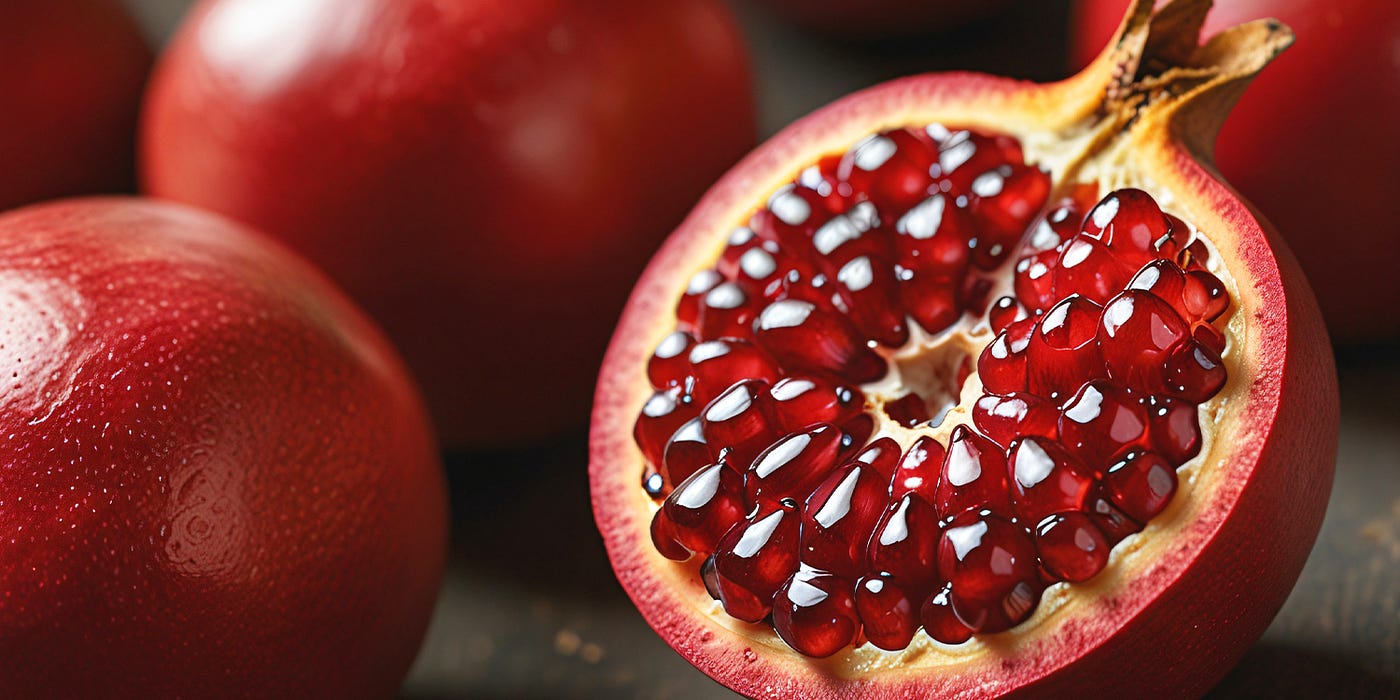
ist-pasion.com – Pomegranates, with their vibrant red hue and jewel-like seeds, have been revered for centuries for their beauty, taste, and health benefits. Beyond their stunning appearance, pomegranates offer a wealth of nutritional value and potential health advantages. Let’s delve into the world of pomegranates, exploring their nutritional profile, health benefits, and culinary versatility.

A Nutritional Powerhouse

Pomegranates are packed with essential nutrients that contribute to overall well-being. A serving of pomegranate seeds provides:

  • Antioxidants: Pomegranates are rich in antioxidants, particularly polyphenols, which help protect cells from damage caused by free radicals. These antioxidants may contribute to a reduced risk of chronic diseases like heart disease and cancer.  
  • Vitamins and Minerals: Pomegranates are a good source of vitamins C and K, as well as potassium. Vitamin C supports the immune system, while vitamin K plays a crucial role in blood clotting. Potassium helps maintain healthy blood pressure levels.
  • Fiber: Pomegranates contain dietary fiber, which aids digestion and promotes a healthy gut.

Health Benefits of Pomegranates

The nutritional profile of pomegranates translates into a range of health benefits:

  • Heart Health: The antioxidants and fiber in pomegranates can help lower cholesterol levels and reduce the risk of heart disease. Potassium in pomegranates helps maintain healthy blood pressure, further supporting heart health.
  • Cancer Prevention: The antioxidants in pomegranates, especially polyphenols, have been linked to a reduced risk of certain types of cancer. These antioxidants help protect cells from damage and may inhibit the growth of cancer cells.
  • Improved Digestive Health: The fiber in pomegranates promotes regular bowel movements and can alleviate constipation.
  • Anti-Inflammatory Properties: Pomegranates have potent anti-inflammatory properties, which may help reduce inflammation associated with various chronic diseases.
  • Boosted Immunity: The vitamin C in pomegranates supports the immune system, helping to fight off infections and illnesses.

Culinary Delights with Pomegranates

Pomegranates are incredibly versatile and can be enjoyed in various ways:

  • Fresh: Enjoy pomegranate seeds on their own as a refreshing and healthy snack.
  • Juices: Pomegranate juice is a delicious and nutritious drink that can be enjoyed on its own or mixed with other juices.
  • Cooking and Baking: Pomegranate seeds can be added to salads, yogurt, oatmeal, and baked goods for a burst of flavor and color.
  • Sauces and Dressings: Pomegranate juice can be used to create flavorful sauces and dressings for both savory and sweet dishes.

Whether you prefer them fresh, juiced, or in various culinary preparations, pomegranates offer a delicious and healthy way to nourish your body. So, next time you’re looking for a tasty and nutritious treat, reach for a pomegranate and savor its many benefits.

Mont Di: A Versatile Burmese Noodle Dish

ist-pasion.com – Mont di, a versatile and delicious noodle dish, holds a special place in Myanmar’s culinary landscape. This dish, made with thin rice noodles, can be enjoyed in a variety of ways, from a hearty soup to a refreshing salad. Its adaptability and diverse flavors have made it a beloved staple across the country.

A Symphony of Flavors

The foundation of mont di is the thin rice noodles, which are often made fresh and have a delicate, chewy texture. These noodles are the perfect canvas for a variety of toppings and sauces, allowing for endless culinary possibilities.

One popular variation of mont di is a noodle soup, where the noodles are served in a flavorful broth made from fish, chicken, or pork. The broth is often infused with aromatic herbs and spices, such as lemongrass, galangal, and chili peppers, creating a rich and complex flavor profile.

Another popular way to enjoy mont di is as a salad. In this version, the noodles are tossed with a tangy dressing made from lime juice, fish sauce, and chili oil. The salad is then topped with a variety of fresh vegetables, such as bean sprouts, cabbage, and cucumber, as well as crispy fried shallots and peanuts.

A Cultural Tapestry

Mont di is deeply rooted in Myanmar’s cultural heritage, with each region offering its own unique take on the dish. For example, Rakhine mont di, a popular dish from the Rakhine State, features fish soup with rice noodles and a variety of fresh herbs and spices. Mandalay mont di, on the other hand, is a noodle salad that is often served with pickled tea leaves, a distinctive ingredient that adds a tangy and slightly bitter flavor.   

The versatility of mont di has also made it a popular choice for street food vendors, who often offer their own creative interpretations of the dish. From simple and affordable to elaborate and gourmet, there is a mont di dish to suit every taste and budget.

A Global Culinary Sensation

In recent years, mont di has gained international recognition, captivating the palates of food lovers around the world. Its unique combination of flavors, its refreshing and healthy nature, and its beautiful presentation have contributed to its growing popularity.

From renowned chefs incorporating mont di into their menus to home cooks experimenting with their own versions, the dish has transcended borders and become a global culinary sensation.

A Recipe for the Soul

While the exact recipe for mont di may vary, the essential elements remain the same: thin rice noodles, a flavorful broth or dressing, and a variety of fresh and savory toppings. The key to a truly authentic mont di experience lies in the quality of the ingredients and the balance of flavors.

Whether you’re savoring a bowl of mont di in a bustling street market in Myanmar or recreating the dish in your own kitchen, it is sure to transport you to the heart of Burmese culture, offering a taste of its vibrant and delicious cuisine.

Peameal Bacon: A Canadian Breakfast Classic

ist-pasion.com – Peameal bacon, a beloved Canadian breakfast staple, is a unique and flavorful cured pork product. While it may resemble traditional bacon, its distinct preparation and taste set it apart.

A Unique Curing Process

The name “peameal” is a bit of a misnomer. It doesn’t actually contain peas. Instead, it refers to the traditional method of curing the pork loin in a mixture of cornmeal, rye flour, and spices. This dry-curing process imparts a subtle sweetness and a slightly nutty flavor to the meat.

A Versatile Ingredient

Peameal bacon is incredibly versatile and can be enjoyed in a variety of ways. Here are a few popular options:

  • Fried: Sizzling peameal bacon in a skillet until crispy is a classic breakfast treat.
  • Grilled: Grilling peameal bacon adds a smoky flavor and a char that enhances its taste.
  • Baked: For a healthier option, peameal bacon can be baked in the oven until it reaches your desired level of crispiness.

A Canadian Icon

Peameal bacon is deeply rooted in Canadian culinary history. It’s often associated with the province of Ontario, where it has been a popular breakfast food for generations. The unique flavor and texture of peameal bacon have made it a beloved ingredient in Canadian cuisine.

A Global Delicacy

While peameal bacon may be a Canadian specialty, its deliciousness has attracted attention from around the world. Many international visitors to Canada are eager to try this unique breakfast treat. Whether you’re a Canadian native or a food enthusiast from abroad, peameal bacon is a must-try for anyone who appreciates high-quality, flavorful pork products.

Iced Vovo: An Iconic Australian Sweet Treat

ist-pasion.com – Iced Vovo is a beloved Australian biscuit that has been delighting taste buds for decades. Known for its distinctive appearance and delicious combination of flavors, this sweet treat consists of a biscuit base topped with fondant, raspberry jam, and a sprinkle of desiccated coconut. In this article, we will explore the history, ingredients, and cultural significance of Iced Vovo, celebrating its place as an iconic Australian snack.

The History of Iced Vovo

Iced Vovo has been a staple in Australian households since it was first introduced by the biscuit company Arnott’s in the early 1900s. Over the years, it has maintained its popularity, often evoking fond memories of childhood tea parties and school lunchboxes. The biscuit’s nostalgic charm and unique flavor profile have helped it remain a favorite across generations.

What Makes Up an Iced Vovo

The appeal of Iced Vovo lies in its delightful combination of textures and flavors. Each component is carefully crafted to create a harmonious balance that is both visually appealing and delicious.

Ingredients

  • Biscuit Base: A simple, buttery biscuit that provides a sturdy foundation for the toppings.
  • Fondant Icing: A sweet, creamy layer that adds a smooth texture and a hint of vanilla flavor.
  • Raspberry Jam: A strip of tangy raspberry jam runs down the center, offering a burst of fruity flavor.
  • Desiccated Coconut: A generous sprinkle of coconut adds a hint of tropical aroma and a pleasing crunch.

The Cultural Significance of Iced Vovo

Iced Vovo is more than just a biscuit; it is a cultural icon that holds a special place in Australia’s culinary landscape. Often associated with family gatherings, afternoon teas, and celebrations, it embodies the warmth and comfort of home. Its enduring popularity is a testament to the timeless appeal of simple, well-made confections.

Modern Takes on Iced Vovo

While the classic Iced Vovo remains a favorite, modern bakers and chefs have experimented with creative variations, adding their own twists to the traditional recipe. Some popular adaptations include:

  • Iced Vovo Cupcakes: Incorporating the flavors of Iced Vovo into a cupcake, complete with raspberry jam filling and coconut frosting.
  • Iced Vovo Slice: A layered dessert bar featuring a biscuit crust, raspberry jam, and coconut topping.
  • Gourmet Iced Vovo: Using artisan ingredients, such as handmade fondant or organic coconut, for an elevated version of the classic biscuit.

Enjoying Iced Vovo

Iced Vovo is perfect for any occasion, whether enjoyed with a cup of tea, shared at a picnic, or simply savored as an afternoon treat. Its combination of sweet and tangy flavors, along with its iconic appearance, makes it a delightful addition to any snack collection.

Conclusion

Iced Vovo is a testament to the enduring appeal of classic treats, cherished for its simplicity and nostalgic charm. As an iconic part of Australian culture, it continues to bring joy to those who savor its unique blend of flavors and textures. Whether enjoyed in its traditional form or as a modern twist, Iced Vovo remains a sweet symbol of Australia’s rich culinary heritage.

Mlyntsi: Versatile Thin Pancakes with Delightful Fillings

ist-pasion.com – Mlyntsi, also known as Ukrainian thin pancakes, are a beloved staple in Eastern European cuisine. Similar to crepes, these delicate pancakes are incredibly versatile and can be served with a variety of sweet or savory fillings, making them a favorite for any meal of the day.

The Origins and Tradition

Mlyntsi have a long history in Ukrainian and Eastern European culinary traditions. They are often associated with festive occasions, particularly Maslenitsa, a week-long celebration before Lent. During this time, families come together to enjoy these pancakes as a symbol of the sun and the arrival of spring.

Ingredients and Preparation

The basic ingredients for mlyntsi include flour, eggs, milk, and a pinch of salt. This simple batter is mixed until smooth and then poured into a hot, lightly greased skillet. The batter is spread thinly to create delicate, lace-like pancakes that cook quickly on both sides.

Once cooked, mlyntsi can be filled with a wide range of ingredients. Popular savory fillings include mushrooms, cheese, minced meat, or smoked salmon. For a sweet treat, they can be filled with cottage cheese, fruits, jams, or honey. The filled pancakes are often rolled or folded into neat parcels before serving.

Serving and Enjoying Mlyntsi

Mlyntsi can be served as a main course, appetizer, or dessert, depending on the filling. They are typically accompanied by sour cream, yogurt, or fruit preserves, which add an extra layer of flavor. Whether enjoyed for breakfast, lunch, or dinner, mlyntsi offer a delightful culinary experience that is both satisfying and comforting.

These pancakes are a popular choice for family gatherings and festive celebrations, where their versatility and delicious taste are appreciated by all ages.

Cultural Significance

Mlyntsi are more than just a culinary delight; they hold cultural significance as a symbol of Ukrainian hospitality and tradition. The process of making and sharing mlyntsi brings families together, reflecting the communal spirit and warmth of Eastern European cultures.

Nutritional Aspects

Mlyntsi are a versatile dish that can be adapted to suit various dietary needs. By choosing whole-grain flour and incorporating healthy fillings like vegetables or lean proteins, they can be made into a balanced meal. The thinness of the pancakes also means they are relatively low in calories, allowing for indulgence without overindulgence.

In conclusion, mlyntsi are a cherished part of Eastern European cuisine, celebrated for their versatility and deliciousness. Whether filled with savory or sweet ingredients, these thin pancakes offer endless possibilities for customization and enjoyment. Mlyntsi continue to be a favorite for both everyday meals and special occasions, embodying the rich culinary heritage of the region.

Thailand: Exploring Tom Kha Kai (Chicken in Coconut Soup)

ist-pasion.com – Tom Kha Kai, also known as Chicken in Coconut Soup, is a classic Thai dish that has captured the hearts and taste buds of food lovers around the world. This savory soup is a harmonious blend of flavors, combining the richness of coconut milk with the tanginess of lime juice, the heat of chili peppers, and the aromatic essence of lemongrass and galangal. In this article, we’ll delve into the history, ingredients, preparation, and cultural significance of this beloved Thai dish.

The Origins of Tom Kha Kai

Tom Kha Kai originates from Thailand, a country renowned for its vibrant and diverse culinary traditions. The name “Tom Kha Kai” translates to “boiled galangal chicken,” highlighting the dish’s key ingredients. This soup is believed to have been influenced by the culinary practices of neighboring countries, yet it has evolved into a quintessential part of Thai cuisine. Its unique flavor profile reflects the balance of sweet, sour, salty, and spicy elements that are characteristic of Thai food.

Key Ingredients

The magic of Tom Kha Kai lies in its ingredients, each contributing to the soup’s complex flavor:

  • Coconut Milk: Provides a creamy base and rich flavor.
  • Chicken: Typically, boneless chicken breast or thigh is used for its tender texture.
  • Galangal: A rhizome similar to ginger, it adds a distinctive earthy and citrusy note.
  • Lemongrass: Imparts a fresh, lemony fragrance.
  • Kaffir Lime Leaves: Adds a unique citrus aroma.
  • Fish Sauce: Contributes a salty, umami depth.
  • Lime Juice: Provides acidity and brightness to balance the richness of the coconut milk.
  • Thai Chili Peppers: Introduce a spicy kick.
  • Mushrooms: Often added for texture and umami flavor.

Preparation Method

Making Tom Kha Kai is a relatively straightforward process that involves simmering and layering flavors. Here’s a basic overview of how this delectable soup is prepared:

  1. Prepare the Aromatics: Crush the lemongrass and slice the galangal to release their flavors.
  2. Simmer the Broth: In a pot, combine coconut milk with water or chicken broth. Add the galangal, lemongrass, and kaffir lime leaves, and bring to a gentle simmer.
  3. Add the Chicken: Slice the chicken into thin strips and add it to the simmering broth. Cook until the chicken is just tender.
  4. Enhance the Flavor: Stir in fish sauce, lime juice, and chili peppers. Adjust the seasoning to taste.
  5. Final Touches: Add mushrooms and simmer for a few more minutes until they are cooked through.
  6. Serve: Garnish with fresh cilantro and extra chili slices if desired. Serve hot.

Cultural Significance

Tom Kha Kai holds a special place in Thai culture. It is often served at family gatherings, festive occasions, and as a comforting meal during the cooler months. The dish’s balance of flavors is a testament to Thailand’s culinary philosophy of harmony and balance. Moreover, Tom Kha Kai’s popularity has transcended borders, making it a staple in Thai restaurants worldwide.

Conclusion

Tom Kha Kai is more than just a soup; it’s a culinary experience that embodies the essence of Thai cuisine. Its creamy, spicy, and tangy flavors create a symphony that delights the palate. Whether you’re a seasoned cook or a novice in the kitchen, preparing Tom Kha Kai offers a delicious journey into the heart of Thailand’s food heritage.

Jambalaya: A Flavorful Creole Classic – Origins and History

ist-pasion.com – Jambalaya is a vibrant and hearty dish that originates from the Creole and Cajun cuisines of Louisiana. Known for its rich flavors and aromatic spices, this dish combines rice, meat, and vegetables into a delicious one-pot meal that captures the essence of Southern cooking.

Origins and History

The origins of jambalaya can be traced back to the cultural melting pot of Louisiana, where Spanish, French, and African influences converge. It is believed that the dish evolved as a local adaptation of paella, a Spanish rice dish, incorporating ingredients readily available in the region. Over time, jambalaya became a staple of Creole and Cajun cooking, each with its distinct variations and flavors.

Ingredients and Preparation

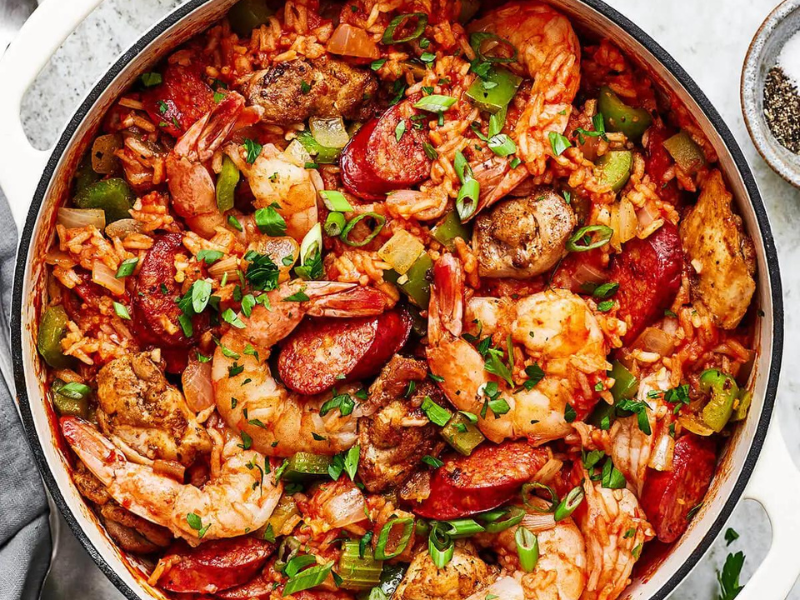
Jambalaya typically includes a base of rice, a mix of meats such as chicken, sausage, and shrimp, and a variety of vegetables like onions, bell peppers, and celery, often referred to as the “holy trinity” of Creole cooking. The dish is seasoned with a blend of spices, including cayenne pepper, paprika, and thyme, which give it its signature bold flavor.

There are two main types of jambalaya: Creole (or “red”) jambalaya, which incorporates tomatoes, and Cajun (or “brown”) jambalaya, which does not. The cooking process involves browning the meat, sautéing the vegetables, and then simmering everything together with rice and broth until the rice is tender and the flavors meld beautifully.

Cultural Significance

Jambalaya is more than just a meal; it is a symbol of the cultural diversity and culinary richness of Louisiana. It is often featured at festivals, family gatherings, and community events, celebrated for its ability to bring people together. The dish’s adaptability and use of local ingredients highlight the resourcefulness and creativity of Creole and Cajun cooks.

Conclusion

Jambalaya is a beloved dish that embodies the spirit and flavor of the American South. Its combination of rice, meat, and vegetables creates a satisfying and flavorful experience that continues to delight those who encounter it. Whether enjoyed in a bustling New Orleans restaurant or at a backyard cookout, jambalaya remains a classic testament to the culinary traditions of Louisiana.

Discovering Gözleme: Turkey’s Delightful Savory Flatbread

ist-pasion.com – Gözleme is a beloved traditional Turkish flatbread that has gained international recognition for its delicious taste and versatility. Known for its thin, crispy layers and flavorful fillings, Gözleme is a staple in Turkish cuisine and a favorite among street food enthusiasts. In this article, we explore the history, preparation, and various fillings that make Gözleme a must-try dish.

The History and Tradition of Gözleme

Gözleme has deep roots in Turkish culinary history, originating from rural Anatolia, where it was commonly prepared by nomadic tribes. The name “Gözleme” comes from the Turkish word “göz,” meaning “compartment” or “pocket,” referring to the pockets created in the dough to hold the delicious fillings. Traditionally, Gözleme was made by women in village homes, using simple and locally-sourced ingredients.

Over time, Gözleme has evolved from a humble homemade dish to a popular street food found across Turkey and beyond. Its simplicity and adaptability have allowed it to transcend cultural and geographical boundaries, making it a favorite among food lovers everywhere.

Ingredients and Preparation of Gözleme

The preparation of Gözleme begins with a simple dough made from flour, water, yeast, and a pinch of salt. The dough is rolled out into thin, large circles, which are then filled with a variety of ingredients before being folded and cooked on a traditional griddle called a “sac.”

Cooking Gözleme on a sac gives it a unique texture and flavor, with a crispy exterior and a soft, chewy interior. The process is quick, making it an ideal option for a fast yet satisfying meal.

Popular Fillings for Gözleme

One of the highlights of Gözleme is its diverse range of fillings, which can be tailored to suit different tastes and preferences. Some of the most popular fillings include:

  1. Spinach and Feta Cheese: A classic combination that offers a delicious balance of earthy spinach and creamy, tangy feta.
  2. Minced Meat (Kıymalı Gözleme): Typically made with seasoned ground lamb or beef, onions, and spices, this filling provides a hearty and savory option.
  3. Potato and Herbs: A comforting filling made with mashed potatoes, fresh herbs, and sometimes a hint of chili for added flavor.
  4. Cheese and Herbs: A simple yet satisfying filling that features a mix of Turkish white cheese and fresh herbs like parsley and dill.

Gözleme’s Popularity and Cultural Significance

Gözleme is more than just a dish; it is a cultural experience that brings people together. In Turkey, it is often enjoyed during family gatherings, festivals, and celebrations. Its preparation is a social activity, with family members and friends gathering around to roll the dough and add their favorite fillings.

The portability of Gözleme makes it an ideal street food, and it is commonly sold at markets and fairs, where vendors can be seen skillfully preparing it on portable griddles. Its popularity has spread worldwide, with many Turkish restaurants and food stalls offering this delectable flatbread to eager customers.

Enjoying Gözleme Today

Whether served as a quick snack, a light lunch, or a main course, Gözleme is a versatile dish that can be enjoyed at any time of day. It is often accompanied by a side of fresh salad or yogurt, which complements its rich flavors.

In conclusion, Gözleme is a cherished part of Turkish culinary heritage that continues to delight people with its simple yet flavorful offerings. Its rich history, diverse fillings, and cultural significance make it a dish worth savoring and sharing with others. Whether you’re a seasoned fan or new to Turkish cuisine, Gözleme is sure to leave a lasting impression on your palate.

Sovereign Savories: Flavors of the Crown

ist-pasion.com – The culinary traditions of royal courts have long fascinated historians and food enthusiasts alike. These sovereign savories, crafted for kings and queens, embody the rich tapestry of cultural influences, luxurious ingredients, and elaborate preparations that define regal dining experiences. Let’s uncover the flavors of the crown and explore the historical and cultural significance of royal cuisine.

A Culinary Journey Through Time

Royal cuisine is a journey through time, reflecting the evolution of culinary practices and societal changes. Each dish tells a story of the era it represents, from the lavish banquets of medieval Europe to the refined elegance of Asian imperial courts. These meals were not just about indulgence; they were carefully curated events that showcased the grandeur and sophistication of the monarchy.

Symbolism and Significance

In the realm of royal dining, every ingredient, spice, and presentation held symbolic significance. Gold leaf, saffron, and other costly additions were not just for flavor but were status symbols that demonstrated wealth and power. Many dishes were designed to convey political messages or celebrate important events, making them integral to the narrative of the ruling dynasty.

The Role of Exotic Ingredients

Exotic ingredients played a central role in royal kitchens, introducing new flavors and culinary techniques. The spice trade, for example, brought cinnamon, cloves, and nutmeg to Europe, transforming the taste profiles of royal dishes. Similarly, the introduction of chocolate and vanilla from the New World revolutionized desserts at European courts, creating a lasting legacy that continues today.

The Artistry of Presentation

The presentation of royal cuisine was nothing short of theatrical. Dishes were often crafted to resemble animals, mythical creatures, or famous landmarks, combining artistry with culinary skill. This emphasis on visual appeal enhanced the dining experience, turning each meal into a spectacle that delighted guests and reinforced the court’s cultural sophistication.

Culinary Innovations and Legacy

Royal kitchens were hotbeds of innovation, where chefs experimented with new cooking techniques and flavor combinations. This spirit of creativity led to the development of many classic dishes that have become staples in modern cuisine. The legacy of these culinary innovations can be seen in the techniques and recipes that are still used by chefs around the world.

Conclusion

Sovereign savories offer a window into the opulent world of royal courts, where flavors of the crown were crafted with precision and care. These dishes were more than just meals; they were expressions of power, culture, and artistry. By exploring the rich history and lasting impact of royal cuisine, we gain a deeper appreciation for the culinary traditions that continue to influence our tastes and dining experiences today. The flavors of the crown remain a testament to the enduring allure of regal gastronomy.

Planning the Perfect Dinner Date

ist-pasion.com – A dinner date is a classic way to spend quality time with a loved one, offering a blend of romance, conversation, and culinary delight. Whether you’re celebrating a special occasion or simply looking to enjoy each other’s company, planning the perfect dinner date requires thoughtfulness and attention to detail. Here are some key elements to consider for a memorable evening.

Choosing the Right Venue

The venue sets the tone for your dinner date. Consider your partner’s preferences and the occasion. A cozy, intimate restaurant with soft lighting and a relaxed ambiance is often ideal for a romantic dinner. If you’re aiming for a more upscale experience, opt for a fine dining establishment known for its exceptional cuisine and service. For a more personal touch, hosting the dinner at home can be incredibly romantic and allows you to tailor the experience to your partner’s tastes.

Crafting the Menu

Whether dining out or cooking at home, the menu should be a highlight of the evening. If you’re dining out, take the time to peruse the restaurant’s menu in advance and consider any dietary preferences or restrictions your partner may have. When cooking at home, choose recipes that you’re confident in preparing, and don’t be afraid to experiment with new dishes. A well-balanced meal with an appetizer, main course, and dessert can make the dinner feel more special.

Setting the Mood

Ambiance is key to a romantic dinner date. Dim lighting, candles, and soft music can create a warm and inviting atmosphere. If you’re dining at home, consider setting the table with your best dinnerware and adding a touch of elegance with fresh flowers or a small centerpiece. When dining out, request a table in a quiet, secluded area of the restaurant to enhance the intimacy of the evening.

Dressing the Part

Dressing up for your dinner date can add to the sense of occasion and show your partner that you’ve put thought into the evening. Choose an outfit that makes you feel confident and comfortable, and consider the dress code of the venue. A well-fitted dress or a crisp shirt and trousers can elevate the experience and make you both feel special.

Engaging in Meaningful Conversation

The essence of a dinner date lies in the opportunity for meaningful conversation. Avoid topics that may lead to stress or disagreement, and instead focus on sharing stories, dreams, and laughter. Ask your partner about their day, listen actively, and share your own thoughts and feelings. The connection you build through conversation can be one of the most cherished aspects of the evening.

Ending the Evening on a High Note

As the dinner comes to an end, consider how you want to conclude the evening. A leisurely walk, a visit to a favorite spot, or simply lingering over coffee or dessert can extend the romantic atmosphere. Express your gratitude for the time spent together and make plans for future dates to look forward to.

A well-planned dinner date can be a beautiful expression of love and appreciation. By focusing on the details and creating a thoughtful, personalized experience, you can ensure that your dinner date is one to remember.

The Perfect Pairing Since Forever: Milk and Cookies

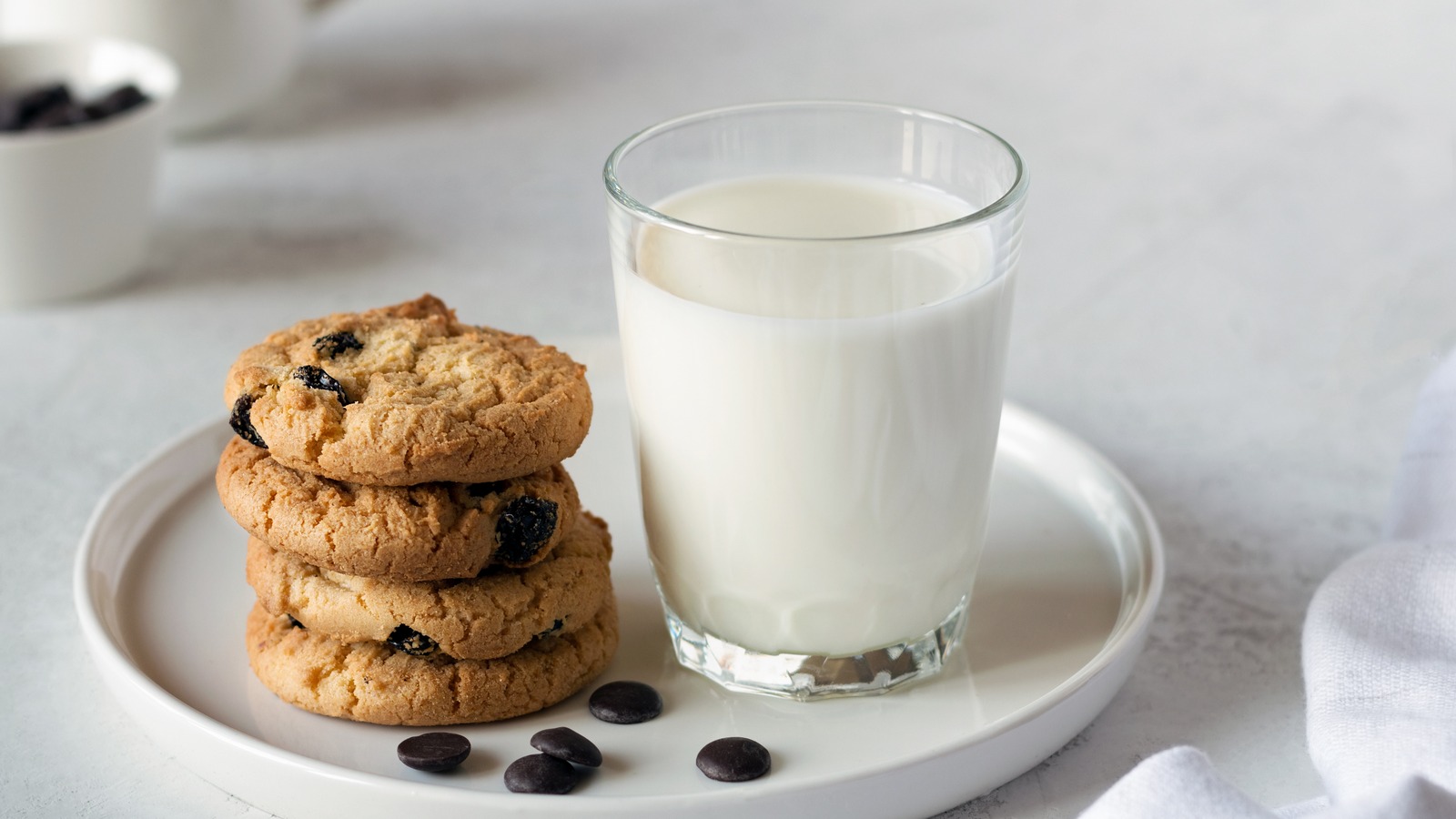
ist-pasion.com – The pairing of milk and cookies is a classic combination that has stood the test of time. It’s a simple yet satisfying treat that has been enjoyed by generations. This timeless tradition is deeply ingrained in many cultures, symbolizing comfort, nostalgia, and the simple pleasures of life.

The Science Behind the Pairing

The perfect pairing of milk and cookies isn’t just a matter of taste; it’s also supported by science. Milk helps to cleanse the palate between bites, allowing you to fully enjoy the rich flavors of the cookie. The creamy texture of milk complements the crunchiness of the cookie, creating a delightful contrast in textures. Additionally, the coldness of milk can help to cool down the mouth when eating warm cookies, enhancing the overall sensory experience.

A Versatile Duo

One of the reasons milk and cookies have remained a favorite pairing is their versatility. Whether it’s a classic chocolate chip cookie, a soft and chewy oatmeal raisin, or a delicate shortbread, there’s a type of milk that can complement it perfectly. From whole milk to skim, and even flavored milks like strawberry or chocolate, there’s an option for every palate.

The Cultural Significance

Milk and cookies have transcended their status as mere food items to become cultural icons. They are often associated with childhood, bedtime stories, and Santa Claus, making them a symbol of innocence and tradition. In many households, a glass of milk and a plate of cookies are a staple after-school snack or a comforting treat before bed.

Celebrating the Pairing

There are countless ways to celebrate the pairing of milk and cookies. Baking cookies at home and pairing them with your favorite milk is a delightful activity. Hosting a milk and cookie party with a variety of cookies and milks allows guests to experiment with different combinations. And let’s not forget the joy of dunking cookies in milk, a practice that adds a fun and interactive element to the experience.

Conclusion

The pairing of milk and cookies is more than just a snack; it’s a tradition that has been cherished for generations. It’s a testament to the simple pleasures in life and the comfort found in familiar flavors. Whether enjoyed alone or shared with loved ones, milk and cookies will continue to be the perfect pairing, a timeless reminder of the joy found in the little things.

Traditional Cooking from Rural Regions: The Country Culinary

ist-pasion.com – In the bustling world of modern cuisine, where fusion and innovation often take center stage, the traditional cooking methods and recipes from rural regions stand as a testament to the heart and soul of culinary heritage. These age-old practices, deeply rooted in the culture and environment of rural communities, offer a unique insight into the lives of people who have cultivated, harvested, and prepared their food in harmony with the seasons and the land for generations.

The Essence of Rural Cooking

Rural cooking is not just about recipes; it’s a way of life. It’s about using what’s available, whether it’s fresh produce from the garden, meat from the farm, or fish from the local river. This approach to cooking is sustainable, resourceful, and deeply connected to the environment. The flavors are often simple yet profound, a reflection of the land and its seasons.

Preserving Traditions: The Art of Home Cooking

In rural regions, the art of home cooking is not just about preparing meals; it’s about preserving traditions. Many families have recipes that have been passed down through generations, each dish telling a story of the past. Techniques such as canning, pickling, and drying are not just methods of preservation but also ways to ensure the continuity of these culinary traditions.

The Importance of Community and Sharing

Cooking in rural communities is also a communal affair. Festivals, gatherings, and celebrations often revolve around food, bringing people together to share in the joy of eating and the stories behind the dishes. This sharing of food and stories strengthens community bonds and preserves the cultural heritage of rural regions.

The Impact of Modernization

While traditional rural cooking remains a strong part of many communities, the impact of modernization cannot be ignored. Access to global ingredients and cooking techniques has both enriched and challenged the preservation of traditional culinary practices. However, there is a growing movement to revive and celebrate these traditions, recognizing their importance in maintaining cultural identity and promoting sustainable living.

Exploring Rural Cuisines Around the World

From the hearty stews of Europe’s countryside to the vibrant spices of rural India, and the fresh seafood dishes of coastal villages, rural cuisines around the world offer a diverse and rich culinary experience. Each region has its unique flavors, ingredients, and cooking methods, reflecting the local environment, history, and culture.

Conclusion: The Enduring Appeal of Rural Cooking

In a world that is increasingly fast-paced and disconnected from the sources of our food, the traditional cooking from rural regions offers a sense of grounding and authenticity. It reminds us of the importance of respecting and preserving our culinary heritage, the value of community and sharing, and the joy of eating food that is fresh, seasonal, and prepared with love. As we continue to explore and celebrate these traditions, we not only honor the past but also ensure a sustainable and flavorful future for generations to come.