Snowy Angel’s Trumpet Flower: A Fragrant Addition to Your Garden

ist-pasion.com – The Snowy Angel’s Trumpet (Brugmansia ‘Snowy’), a stunning flowering plant in the Solanaceae family, is known for its large, trumpet-shaped blooms and fragrant aroma. With its snow-white flowers, the Snowy Angel’s Trumpet is an eye-catching ornamental plant that can bring a sense of elegance and drama to any garden. Native to South America, particularly the Andes, this plant has become a favorite in temperate and tropical gardens due to its striking appearance and intoxicating scent.

Physical Characteristics of Snowy Angel’s Trumpet

The Snowy Angel’s Trumpet is characterized by its large, pendulous, trumpet-shaped flowers that can grow up to 8 inches long. These blooms are pure white with a slight cream or yellowish tinge at their centers, giving them a soft, ethereal appearance that stands out against its lush, green foliage. The flowers have a sweet fragrance, particularly at night, when the scent becomes more intense to attract nocturnal pollinators like moths.

The plant itself can grow into a large shrub or small tree, reaching heights of 6 to 10 feet or more, depending on the growing conditions. It has long, dark green, elongated leaves that complement the large flowers and create a dense, bushy appearance. During its flowering season, which typically begins in late spring and lasts until the fall, the Snowy Angel’s Trumpet is a spectacular sight, with the cascading white flowers creating a dramatic focal point in the garden.

Growing Conditions and Care

Snowy Angel’s Trumpet thrives in well-drained, fertile soil and prefers full sun to partial shade. It requires a warm climate to grow well and is best suited to USDA hardiness zones 9 to 11. In colder climates, this plant can be grown as an annual or brought indoors during the winter months, where it can continue to bloom in a sunny spot.

The plant is relatively easy to grow, but it does need regular watering, especially during the warmer months when it is actively growing and flowering. It should be watered deeply, allowing the soil to dry slightly between waterings, as it does not like to sit in soggy conditions. To promote healthy growth and vibrant blooms, Snowy Angel’s Trumpet benefits from regular feeding with a balanced fertilizer during the growing season.

Because the plant can grow quite large, it may require periodic pruning to maintain its shape and prevent it from becoming too leggy. Pruning after the flowering season is also recommended to encourage new growth for the following year. In colder climates, bring the plant inside before the first frost and provide it with bright, indirect light during the winter months.

Ecological Role of Snowy Angel’s Trumpet

The Snowy Angel’s Trumpet plays an important role in attracting pollinators, particularly moths and hummingbirds, with its sweet scent and nectar-filled flowers. The plant is especially popular with night-flying pollinators, who are drawn to the fragrance and will visit the flowers at dusk and throughout the night. Its nocturnal blooming habit makes it a valuable addition to a night garden, where it can fill the air with its heavenly scent during the evening hours.

In addition to attracting pollinators, the large, broad leaves of the Snowy Angel’s Trumpet provide ample shade and shelter for smaller wildlife. The plant is also sometimes used in traditional medicine in its native regions, although caution is advised, as all parts of the plant are toxic when ingested.

Varieties of Snowy Angel’s Trumpet

While the Snowy Angel’s Trumpet is a popular cultivar of Brugmansia, there are several other varieties and species of this plant that offer different colors and forms. Some notable varieties include:

  • Brugmansia ‘Pink’: This variety features soft pink, trumpet-shaped flowers that have a similar form to the Snowy Angel’s Trumpet but with a strikingly different color.
  • Brugmansia suaveolens: Known as the “angel’s trumpet,” this species has fragrant white flowers and is the parent species of many cultivated varieties.
  • Brugmansia ‘Double White’: A cultivar with larger, double flowers that are also white, offering a more full-bodied bloom than the typical single-petaled flowers.

These varieties offer gardeners different color options and flower forms, allowing for a range of styles in the garden.

Uses in Landscaping

The Snowy Angel’s Trumpet is a stunning ornamental plant that adds drama and fragrance to any garden. Its large flowers and bushy growth make it an excellent choice for:

  • Tropical and Subtropical Gardens: With its bold flowers and lush foliage, Snowy Angel’s Trumpet is a standout feature in tropical and subtropical garden designs.
  • Focal Points: This plant can be used as a central focal point in flower beds, where its large, white blooms create a striking contrast against darker foliage and other colorful flowers.
  • Containers and Patios: The Snowy Angel’s Trumpet does well in large containers, making it a great choice for patios, decks, or balconies where it can be displayed as a stunning accent plant.
  • Night Gardens: Due to its intoxicating fragrance, Snowy Angel’s Trumpet is a must-have for night gardens, where its blooms will perfume the evening air and attract nocturnal pollinators.

It is best to plant the Snowy Angel’s Trumpet in areas with plenty of space, as it can grow quite large, and the flowers can be quite heavy. Consider placing it in a spot where it can be admired from a distance, especially during its blooming period when the plant is most spectacular.

Conclusion

The Snowy Angel’s Trumpet is a majestic and fragrant flowering plant that can bring elegance and beauty to any garden. With its large, white trumpet-shaped blooms and intoxicating fragrance, it makes a striking focal point, especially in warm climates where it thrives. Whether used in tropical gardens, night gardens, or large containers, the Snowy Angel’s Trumpet is sure to captivate with its visual and sensory appeal. Its ability to attract pollinators, combined with its ease of care and dramatic presence, makes it an ideal choice for gardeners looking to add a touch of enchantment to their outdoor spaces.
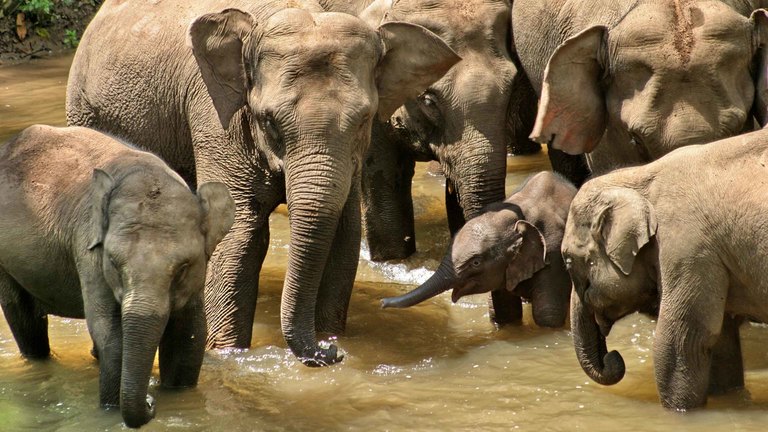
The Elephant: Majestic Giants of the Earth

ist-pasion.com – Elephants, with their immense size, intelligence, and social structures, are among the most fascinating and beloved animals on the planet. Revered in many cultures for their strength and wisdom, elephants have captivated the human imagination for centuries. This article explores the different species of elephants, their physical characteristics, behaviors, and the conservation challenges they face in the modern world.

Physical Characteristics

Elephants are the largest land mammals, with two distinct species: the African elephant (Loxodonta africana) and the Asian elephant (Elephas maximus). Both species share several notable physical traits, including their large ears, trunk, and tusks, but there are some differences between them.

  • African elephants are larger than their Asian relatives and have more expansive ears shaped like the African continent. Their trunks are incredibly versatile, capable of performing a wide range of tasks from picking up food to drinking water and communicating with other elephants.
  • Asian elephants are smaller in size and have rounder ears compared to their African counterparts. Their trunks are similarly long and strong but tend to be somewhat shorter and less dexterous.

Both species have tusks, which are elongated incisors, and while both males and females of the African species typically have tusks, only male Asian elephants have them. Elephants’ thick skin is grayish in color, with folds and wrinkles that help retain moisture and protect against sun exposure.

Habitat and Distribution

Elephants are native to both Africa and Asia, each species occupying distinct regions. African elephants are found across sub-Saharan Africa, where they inhabit a variety of environments, including savannas, forests, and deserts. These elephants are more widely distributed than their Asian relatives and are found in countries such as Botswana, Kenya, Tanzania, and South Africa.

Asian elephants, on the other hand, are mostly found in forested areas across South and Southeast Asia, including India, Sri Lanka, Nepal, Thailand, and parts of Indonesia. Their habitats include tropical forests, grasslands, and wetlands.

Despite the wide range of habitats they occupy, both African and Asian elephants face challenges due to human activities, including habitat loss, human-wildlife conflict, and poaching for their tusks and other body parts.

Social Structure and Behavior

Elephants are known for their complex social structures, which are based on strong family bonds. In African elephants, herds are typically led by an older, experienced matriarch, often the oldest female in the group. These herds consist of related females and their offspring, and they are highly cooperative, working together to protect each other from predators and to care for the young.

Male elephants, called bulls, usually leave the herd when they reach maturity and tend to lead more solitary lives, only rejoining females for mating. However, bulls may also form loose bachelor groups.

Asian elephant social structures are somewhat similar but may be less rigid. Female Asian elephants live in matriarchal groups, while males also tend to live solitary lives, coming together with females only during the mating season.

Elephants are highly intelligent animals, capable of using tools, solving complex problems, and exhibiting emotions such as empathy and grief. They communicate through a variety of sounds, including trumpets, rumbles, and low-frequency vibrations, and they use their trunks to touch and interact with other elephants, conveying affection, reassurance, and social bonds.

Diet and Feeding Habits

Elephants are herbivores and play a crucial role in shaping their environment through their feeding habits. They are known as “keystone species” because their actions help maintain the balance of their ecosystems. Elephants can consume up to 300 pounds (136 kilograms) of vegetation each day, including grasses, fruits, leaves, bark, and twigs.

Their trunks are highly sensitive and act as a powerful tool for picking up food, sucking up water, and even socializing with others. Elephants have large molars that help them chew tough plant material, but they are also known to consume large amounts of water, sometimes drinking up to 50 gallons (190 liters) per day.

In addition to their role in plant consumption, elephants help disperse seeds through their droppings, which supports the regeneration of many plant species in their habitats. Their feeding habits also shape the landscape, as they sometimes uproot trees and create open spaces that benefit other species.

Conservation Status and Threats

Elephants face significant threats to their survival, primarily from habitat loss, poaching, and human-wildlife conflict. African elephants, particularly forest elephants, have seen a dramatic decline in population due to the ivory trade, which remains a major issue despite international bans on ivory sales. The African elephant population is currently listed as “Vulnerable” by the International Union for Conservation of Nature (IUCN), with certain populations, such as the forest elephant, critically endangered.

Asian elephants are also classified as “Endangered” by the IUCN, with their numbers dwindling due to habitat destruction, fragmentation, and human-wildlife conflict. In some regions, Asian elephants are forced to migrate through agricultural areas, where they can come into conflict with farmers. Habitat loss due to deforestation and the conversion of land for agriculture further exacerbates the challenges faced by Asian elephant populations.

Conservation efforts for elephants have become a global priority. These efforts include anti-poaching initiatives, habitat preservation, and strengthening the enforcement of international bans on the ivory trade. In some areas, human-elephant conflict mitigation strategies, such as the use of barriers or creating wildlife corridors, are helping to reduce the negative impact of human activities on elephant populations.

Conclusion

Elephants are truly magnificent creatures, known for their size, intelligence, and social bonds. Their roles as ecosystem engineers and keystone species are invaluable to the health of their environments. However, these majestic animals are facing numerous challenges, and their survival depends on continued conservation efforts, habitat protection, and global cooperation to combat poaching and the ivory trade.

By supporting conservation initiatives and promoting awareness about the plight of elephants, we can help ensure that future generations of these remarkable creatures continue to roam the earth, playing their essential role in maintaining the balance of nature.