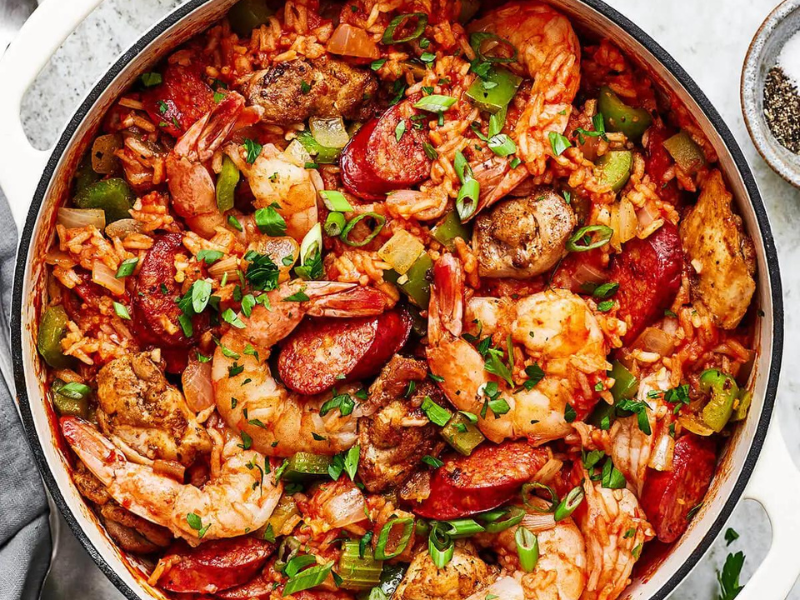
Jambalaya: A Flavorful Creole Classic – Origins and History

ist-pasion.com – Jambalaya is a vibrant and hearty dish that originates from the Creole and Cajun cuisines of Louisiana. Known for its rich flavors and aromatic spices, this dish combines rice, meat, and vegetables into a delicious one-pot meal that captures the essence of Southern cooking.

Origins and History

The origins of jambalaya can be traced back to the cultural melting pot of Louisiana, where Spanish, French, and African influences converge. It is believed that the dish evolved as a local adaptation of paella, a Spanish rice dish, incorporating ingredients readily available in the region. Over time, jambalaya became a staple of Creole and Cajun cooking, each with its distinct variations and flavors.

Ingredients and Preparation

Jambalaya typically includes a base of rice, a mix of meats such as chicken, sausage, and shrimp, and a variety of vegetables like onions, bell peppers, and celery, often referred to as the “holy trinity” of Creole cooking. The dish is seasoned with a blend of spices, including cayenne pepper, paprika, and thyme, which give it its signature bold flavor.

There are two main types of jambalaya: Creole (or “red”) jambalaya, which incorporates tomatoes, and Cajun (or “brown”) jambalaya, which does not. The cooking process involves browning the meat, sautéing the vegetables, and then simmering everything together with rice and broth until the rice is tender and the flavors meld beautifully.

Cultural Significance

Jambalaya is more than just a meal; it is a symbol of the cultural diversity and culinary richness of Louisiana. It is often featured at festivals, family gatherings, and community events, celebrated for its ability to bring people together. The dish’s adaptability and use of local ingredients highlight the resourcefulness and creativity of Creole and Cajun cooks.

Conclusion

Jambalaya is a beloved dish that embodies the spirit and flavor of the American South. Its combination of rice, meat, and vegetables creates a satisfying and flavorful experience that continues to delight those who encounter it. Whether enjoyed in a bustling New Orleans restaurant or at a backyard cookout, jambalaya remains a classic testament to the culinary traditions of Louisiana.

Stones in Motion: Chiefly Title Histories in Central Vanuatu

ist-pasion.com – Central Vanuatu is a region rich in cultural heritage, where stones are not just geological formations but vibrant symbols of history and power. The interplay between monuments and chiefly titles tells a story of social structure, authority, and cultural continuity. This article delves into the significance of these stones, examining how they relate to the chiefly title histories in Central Vanuatu.

Monuments in Central Vanuatu

In Central Vanuatu, stone monuments are more than mere physical structures; they are imbued with cultural and spiritual significance. These stones often mark important sites, such as sacred grounds, ceremonial spaces, and burial sites. They are essential elements in preserving the oral histories and traditions of the Ni-Vanuatu people. Each stone has a story, representing historical events, ancestral lineage, or societal achievements.

Chiefly Title Histories

The chiefly titles in Central Vanuatu are deeply intertwined with the region’s social and political fabric. Chiefs serve as custodians of tradition, land, and community well-being. The process of obtaining a chiefly title is complex and often involves intricate rituals and ceremonies, where stones play a crucial role. These titles are passed down through generations, maintaining a continuity of leadership and stewardship.

The Role of Stones in Chiefly Titles

Stones are central to the narratives and ceremonies surrounding chiefly titles. They are often used in rituals to symbolize the transfer of power and authority. In some communities, stones may be inscribed with marks or symbols denoting the lineage and achievements of a chief, serving as a tangible record of history. These stones act as witnesses to the transitions of power and are revered as sacred objects.

Cultural Significance

The stones and chiefly titles in Central Vanuatu embody the community’s values and beliefs. They reflect the connection between the land and its people, emphasizing the importance of tradition and continuity. The preservation of these stones and the stories they hold is crucial for maintaining cultural identity and ensuring that the rich history of Vanuatu is passed on to future generations.

Conclusion

“Stones in Motion: Monuments and Chiefly Title Histories in Central Vanuatu” highlights the profound significance of stones as cultural markers. These monuments are not only historical records but also active participants in the cultural and political life of the region. Understanding their role provides insight into the enduring traditions and social structures that define Central Vanuatu, keeping its heritage alive and vibrant.