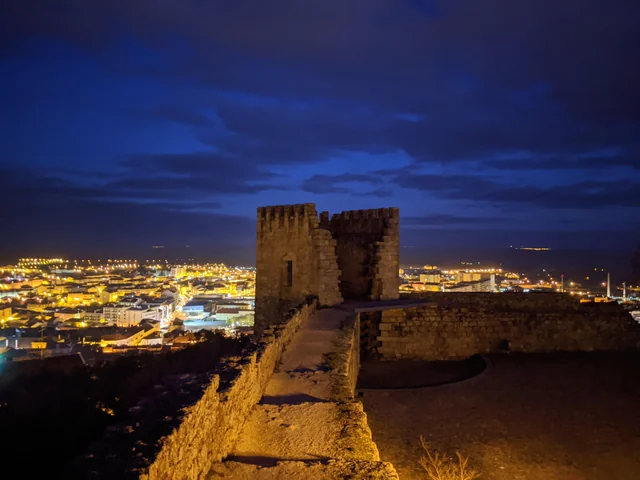
Castelo Branco: A Hidden Gem in the Heart of Portugal

ist-pasion.com – Castelo Branco, a charming city nestled in the heart of Portugal’s Beira Baixa region, offers a unique blend of history, culture, and natural beauty. With its picturesque landscapes, historic landmarks, and warm hospitality, Castelo Branco is a hidden gem waiting to be discovered.   

A Glimpse into History

Castelo Branco’s history dates back to Roman times, when it was known as Constantia. The city’s strategic location and rich cultural heritage have made it a significant player throughout the centuries. During the Middle Ages, Castelo Branco emerged as a powerful stronghold, and its imposing castle became a symbol of its strength and resilience.

Exploring Castelo Branco’s Historical Treasures

  • Castelo Branco Castle: This majestic castle, dating back to the 12th century, dominates the city skyline. Its imposing walls and towers offer panoramic views of the surrounding countryside.
  • Sé de Castelo Branco: This Gothic cathedral is a stunning example of religious architecture. Its intricate carvings and stained-glass windows are a testament to the skill of medieval artisans.
  • Convento da Graça: This former convent is now home to a museum that houses a fascinating collection of religious art and artifacts.
  • Museu Cargaleiro: This museum is dedicated to the work of the renowned Portuguese artist Júlio Pomar, and features a diverse collection of paintings, sculptures, and drawings.

The Natural Beauty of Beira Baixa

Castelo Branco is surrounded by breathtaking natural beauty. The Serra da Estrela, Portugal’s highest mountain range, is just a short drive away, offering opportunities for hiking, skiing, and other outdoor activities. The region’s rolling hills, pristine rivers, and charming villages create a picturesque landscape that is perfect for a relaxing getaway.   

A Taste of Beira Baixa Cuisine

Beira Baixa cuisine is renowned for its hearty dishes and simple, fresh ingredients. Local specialties include chanfana de cabra (goat stew), cabrito assado no forno (roasted kid goat), and migas de milho (cornmeal crumbs). Pair your meal with a glass of vinho da Beira (Beira wine), a robust and flavorful wine produced in the region.   

A Cultural Experience

Castelo Branco hosts a variety of cultural events throughout the year, including music festivals, art exhibitions, and traditional fairs. The city’s annual festival, the Feira Franca, is a highlight of the cultural calendar, featuring colorful parades, traditional music, and delicious food.   

A Peaceful Retreat

Castelo Branco offers a peaceful retreat from the hustle and bustle of city life. Its serene atmosphere, coupled with its rich history and cultural heritage, makes it an ideal place to unwind and recharge.

From Braga to Évora: Portugal’s Roman Legacy

ist-pasion.com – Portugal, a country with a rich tapestry of historical influences, boasts a significant Roman legacy that spans from the northern city of Braga to the southern town of Évora. This legacy is not just a testament to the architectural prowess and engineering skills of the Roman Empire but also a reflection of the deep cultural and societal impacts that the Romans had on the Iberian Peninsula.

The Northern Echoes: Braga

Braga, one of the oldest Christian cities in the world, was known to the Romans as Bracara Augusta. It served as the capital of the Roman province of Gallaecia and is home to some of the most impressive Roman ruins in Portugal. The city’s Roman legacy is most evident in the Cividade de Briteiros, an ancient hillfort settlement that dates back to the Iron Age and was later occupied by the Romans. The site includes a Roman bathhouse, a temple, and a forum, providing a glimpse into the daily life of a Roman town.

The Aqueducts of Évora

Évora, a UNESCO World Heritage site, is another jewel in Portugal’s Roman crown. The city’s most iconic Roman monument is the Aqueduto da Água de Prata (Aqueduct of Silver Water), a marvel of Roman engineering that once supplied fresh water to the city. Built in the 2nd century AD, the aqueduct stretches for over 18 kilometers and is a testament to the Romans’ ability to harness nature for the benefit of their cities. The aqueduct’s arches are a common sight in Évora, with some parts of the structure still in use today.

The Roman Temple of Évora

Perhaps the most striking Roman monument in Portugal is the Temple of Évora, also known as the Templo de Diana. This well-preserved temple, dating back to the 1st century BC, is believed to have been dedicated to the goddess Diana, although it may have also served other deities. The temple’s Corinthian columns and elegant design have made it a symbol of Évora and a must-visit site for anyone interested in Roman history.

The Impact on Modern Portugal

The Roman legacy in Portugal extends beyond the physical remains of their buildings and infrastructure. The Romans introduced new agricultural practices, legal systems, and cultural norms that have had a lasting impact on the region. The Latin language, for example, evolved into Portuguese, and Roman Catholicism, with its roots in Roman Christianity, remains the dominant religion in Portugal.

Conclusion

Portugal’s Roman legacy is a reminder of the empire’s far-reaching influence and its ability to shape the world in profound ways. From the ancient ruins of Braga to the majestic aqueducts of Évora, these sites not only offer a glimpse into the past but also serve as a bridge between different eras of human civilization. As visitors explore these historical treasures, they can’t help but marvel at the enduring legacy of the Roman Empire in Portugal.