A Parliamentary Democracy: Iceland’s Political System

ist-pasion.com – Iceland, a small island nation in the North Atlantic, boasts a political system that is both ancient and modern. Known for its unique blend of historical traditions and contemporary democratic practices, Iceland’s political framework is a model of parliamentary democracy. This article delves into the structure and functioning of Iceland’s political system, highlighting its key components and historical significance.

Historical Context

Iceland’s political system has deep roots in its history. The Althingi, Iceland’s national parliament, was established in 930 AD, making it the world’s oldest extant parliament. This ancient institution has been a cornerstone of Icelandic governance, evolving over the centuries to adapt to modern democratic principles.

Structure of the Government

Iceland operates as a parliamentary representative democratic republic, where the President serves as the head of state, and the Prime Minister acts as the head of government. The country’s political system is characterized by a separation of powers among the executive, legislative, and judicial branches.

Executive Branch

The executive power in Iceland is vested in the government, which is led by the Prime Minister. The Prime Minister is typically the leader of the majority party or coalition in the Althingi and is appointed by the President. The government is responsible for implementing policies and managing the day-to-day affairs of the state.

Legislative Branch

The legislative power is held by the Althingi, a unicameral parliament consisting of 63 members elected by proportional representation for four-year terms. The Althingi is responsible for enacting laws, approving the state budget, and overseeing the work of the government. The President also plays a role in the legislative process, as laws must be signed by the President to take effect.

Judicial Branch

The judicial branch is independent of the executive and legislative branches. It comprises a hierarchy of courts, with the Supreme Court at the top. The judiciary is responsible for interpreting the law and ensuring that it is applied fairly and consistently.

Political Culture and Democracy

Iceland is renowned for its strong democratic traditions and commitment to political rights and civil liberties. The country has consistently been rated as one of the most democratic nations in the world, with a robust system of checks and balances to prevent the abuse of power. The direct election of the President by the people further underscores the democratic nature of the Icelandic political system.

Conclusion

Iceland’s political system exemplifies a well-functioning parliamentary democracy, blending historical continuity with modern democratic principles. The separation of powers, the role of the Althingi, and the direct election of the President are key elements that contribute to the stability and effectiveness of Iceland’s governance. As one of the oldest parliamentary democracies in the world, Iceland continues to serve as a model for democratic governance.
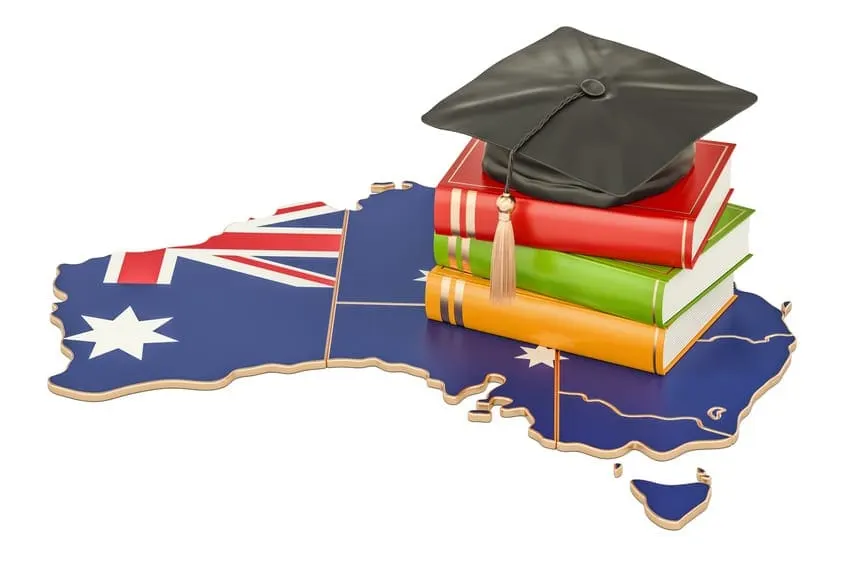
Australian Education System: Policy Structure and Achievements

ist-pasion.com – The Australian education system is renowned for its quality and accessibility, offering a comprehensive framework that caters to the diverse needs of students from early childhood through to tertiary education. The system is primarily the responsibility of individual states and territories, with the federal government playing a role in funding and setting national standards.

Structure of the Education System

Early Childhood Education

Early childhood education in Australia includes preschool and kindergarten programs, which are designed to prepare children for formal schooling. These programs focus on play-based learning and aim to develop social, emotional, and cognitive skills.

Primary and Secondary Education

Primary education typically spans from Prep (or Kindergarten) to Year 6, while secondary education covers Years 7 to 12. The curriculum is standardized across the country through the Australian Curriculum, which outlines the core knowledge, skills, and capabilities students should acquire.

Tertiary Education

Tertiary education in Australia includes vocational education and training (VET) and higher education. VET institutions offer practical, job-specific training across a wide range of industries. Higher education is provided by universities and includes undergraduate and postgraduate degrees.

Key Policies and Initiatives

National Assessment Program – Literacy and Numeracy (NAPLAN)

NAPLAN is a national assessment for students in Years 3, 5, 7, and 9, focusing on literacy and numeracy skills. The results provide valuable data on student performance and inform educational policy and practice.

My School Website

The My School website provides detailed information on every school in Australia, including student performance, demographics, and funding. This transparency aims to promote accountability and enable parents and communities to make informed decisions about education.

Higher Education Contribution Scheme (HECS) and HELP

The HECS and HELP schemes allow students to defer the cost of their higher education and repay the debt through the tax system once they are earning above a certain threshold. This ensures that education is accessible regardless of financial background.

Achievements and Challenges

International Reputation

Australia’s education system is highly regarded internationally, with universities consistently ranking among the world’s best. The country also attracts a significant number of international students, contributing to its cultural diversity and economy.

Equity and Access

Efforts to improve equity and access to education have seen improvements in participation rates among disadvantaged groups. However, challenges remain, particularly in closing the achievement gap between Indigenous and non-Indigenous students.

Innovation and Adaptability

The Australian education system has shown a capacity for innovation and adaptability, particularly in response to technological advancements and global trends. The integration of digital technologies and flexible learning modes has prepared students for the demands of the modern workforce.

Conclusion

The Australian education system is a complex and dynamic framework that reflects the country’s commitment to quality education for all. Through a combination of national standards, local governance, and a focus on equity and innovation, Australia continues to build on its achievements and address the challenges of the 21st century.