Iced Vovo: An Iconic Australian Sweet Treat

ist-pasion.com – Iced Vovo is a beloved Australian biscuit that has been delighting taste buds for decades. Known for its distinctive appearance and delicious combination of flavors, this sweet treat consists of a biscuit base topped with fondant, raspberry jam, and a sprinkle of desiccated coconut. In this article, we will explore the history, ingredients, and cultural significance of Iced Vovo, celebrating its place as an iconic Australian snack.

The History of Iced Vovo

Iced Vovo has been a staple in Australian households since it was first introduced by the biscuit company Arnott’s in the early 1900s. Over the years, it has maintained its popularity, often evoking fond memories of childhood tea parties and school lunchboxes. The biscuit’s nostalgic charm and unique flavor profile have helped it remain a favorite across generations.

What Makes Up an Iced Vovo

The appeal of Iced Vovo lies in its delightful combination of textures and flavors. Each component is carefully crafted to create a harmonious balance that is both visually appealing and delicious.

Ingredients

  • Biscuit Base: A simple, buttery biscuit that provides a sturdy foundation for the toppings.
  • Fondant Icing: A sweet, creamy layer that adds a smooth texture and a hint of vanilla flavor.
  • Raspberry Jam: A strip of tangy raspberry jam runs down the center, offering a burst of fruity flavor.
  • Desiccated Coconut: A generous sprinkle of coconut adds a hint of tropical aroma and a pleasing crunch.

The Cultural Significance of Iced Vovo

Iced Vovo is more than just a biscuit; it is a cultural icon that holds a special place in Australia’s culinary landscape. Often associated with family gatherings, afternoon teas, and celebrations, it embodies the warmth and comfort of home. Its enduring popularity is a testament to the timeless appeal of simple, well-made confections.

Modern Takes on Iced Vovo

While the classic Iced Vovo remains a favorite, modern bakers and chefs have experimented with creative variations, adding their own twists to the traditional recipe. Some popular adaptations include:

  • Iced Vovo Cupcakes: Incorporating the flavors of Iced Vovo into a cupcake, complete with raspberry jam filling and coconut frosting.
  • Iced Vovo Slice: A layered dessert bar featuring a biscuit crust, raspberry jam, and coconut topping.
  • Gourmet Iced Vovo: Using artisan ingredients, such as handmade fondant or organic coconut, for an elevated version of the classic biscuit.

Enjoying Iced Vovo

Iced Vovo is perfect for any occasion, whether enjoyed with a cup of tea, shared at a picnic, or simply savored as an afternoon treat. Its combination of sweet and tangy flavors, along with its iconic appearance, makes it a delightful addition to any snack collection.

Conclusion

Iced Vovo is a testament to the enduring appeal of classic treats, cherished for its simplicity and nostalgic charm. As an iconic part of Australian culture, it continues to bring joy to those who savor its unique blend of flavors and textures. Whether enjoyed in its traditional form or as a modern twist, Iced Vovo remains a sweet symbol of Australia’s rich culinary heritage.

Australian Education System: Policy Structure and Achievements

ist-pasion.com – The Australian education system is renowned for its quality and accessibility, offering a comprehensive framework that caters to the diverse needs of students from early childhood through to tertiary education. The system is primarily the responsibility of individual states and territories, with the federal government playing a role in funding and setting national standards.

Structure of the Education System

Early Childhood Education

Early childhood education in Australia includes preschool and kindergarten programs, which are designed to prepare children for formal schooling. These programs focus on play-based learning and aim to develop social, emotional, and cognitive skills.

Primary and Secondary Education

Primary education typically spans from Prep (or Kindergarten) to Year 6, while secondary education covers Years 7 to 12. The curriculum is standardized across the country through the Australian Curriculum, which outlines the core knowledge, skills, and capabilities students should acquire.

Tertiary Education

Tertiary education in Australia includes vocational education and training (VET) and higher education. VET institutions offer practical, job-specific training across a wide range of industries. Higher education is provided by universities and includes undergraduate and postgraduate degrees.

Key Policies and Initiatives

National Assessment Program – Literacy and Numeracy (NAPLAN)

NAPLAN is a national assessment for students in Years 3, 5, 7, and 9, focusing on literacy and numeracy skills. The results provide valuable data on student performance and inform educational policy and practice.

My School Website

The My School website provides detailed information on every school in Australia, including student performance, demographics, and funding. This transparency aims to promote accountability and enable parents and communities to make informed decisions about education.

Higher Education Contribution Scheme (HECS) and HELP

The HECS and HELP schemes allow students to defer the cost of their higher education and repay the debt through the tax system once they are earning above a certain threshold. This ensures that education is accessible regardless of financial background.

Achievements and Challenges

International Reputation

Australia’s education system is highly regarded internationally, with universities consistently ranking among the world’s best. The country also attracts a significant number of international students, contributing to its cultural diversity and economy.

Equity and Access

Efforts to improve equity and access to education have seen improvements in participation rates among disadvantaged groups. However, challenges remain, particularly in closing the achievement gap between Indigenous and non-Indigenous students.

Innovation and Adaptability

The Australian education system has shown a capacity for innovation and adaptability, particularly in response to technological advancements and global trends. The integration of digital technologies and flexible learning modes has prepared students for the demands of the modern workforce.

Conclusion

The Australian education system is a complex and dynamic framework that reflects the country’s commitment to quality education for all. Through a combination of national standards, local governance, and a focus on equity and innovation, Australia continues to build on its achievements and address the challenges of the 21st century.

Resources, Services, and Beyond: The Australian Economy

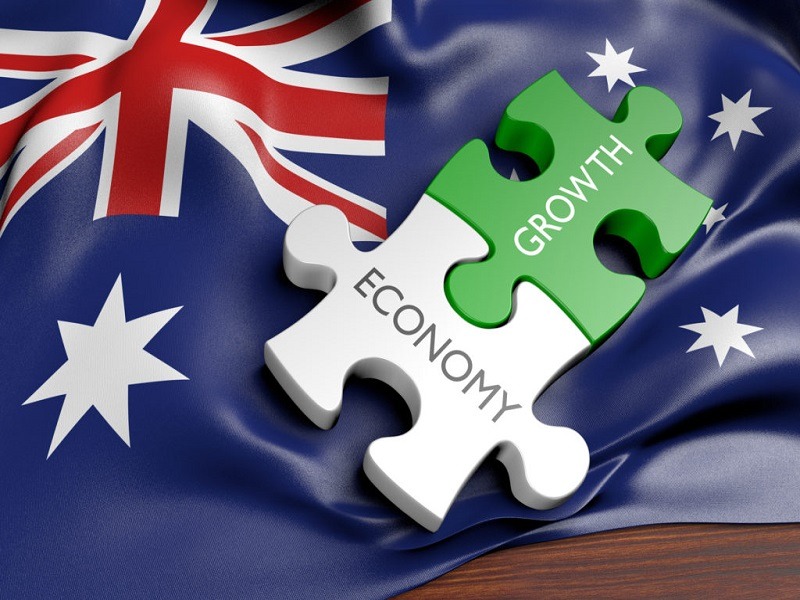
ist-pasion.com – The Australian economy is a robust and dynamic system that has evolved significantly over the years. Traditionally reliant on its abundant natural resources, Australia has diversified its economic base to include a strong services sector and is now looking beyond these traditional pillars to further its economic growth. This article explores the key components of the Australian economy, focusing on its resources, services, and emerging sectors, and discusses the challenges and opportunities that lie ahead.

Natural Resources: The Backbone of the Economy

Australia’s economic journey began with its rich endowment of natural resources. The country is a leading exporter of various commodities, including coal, iron ore, natural gas, and gold. The mining sector has been a significant driver of economic growth, contributing to Australia’s status as one of the world’s largest mining nations. The demand for these resources, particularly from Asia, has been a crucial factor in the country’s economic prosperity.

Services Sector: The Growing Engine

While the mining sector has been pivotal, the services sector has grown to become the largest component of the Australian economy. This sector includes finance, education, healthcare, tourism, and technology services. Australia’s service industries have benefited from a highly educated workforce, stable political environment, and strong regulatory frameworks. The sector has also been at the forefront of innovation, with fintech and edtech being notable examples of growth areas within the services sector.

Agriculture: A Stable Contributor

Agriculture remains an important sector of the Australian economy, despite its smaller share compared to resources and services. Australia is one of the world’s largest exporters of agricultural products, including wheat, beef, and wool. The sector has adapted to the challenges of climate variability and water scarcity through innovation and sustainable practices, ensuring its continued contribution to the economy.

Beyond Resources and Services: Emerging Sectors

Australia is actively seeking to diversify its economy further by investing in emerging sectors such as renewable energy, biotechnology, and advanced manufacturing. The country’s vast potential for solar and wind energy positions it as a leader in renewable energy technologies. Biotechnology is another area of growth, with Australia’s research institutions and pharmaceutical companies making significant advancements in medical treatments and diagnostics.

Challenges and Opportunities

The Australian economy faces several challenges, including exposure to global commodity price fluctuations, the need for continued diversification, and the impact of climate change on its agricultural and resource sectors. However, these challenges also present opportunities for innovation and growth. The push towards renewable energy, for example, not only addresses environmental concerns but also opens up new markets and industries.

Conclusion

The Australian economy’s journey from a resource-based economy to one that is increasingly driven by services and emerging sectors is a testament to its resilience and adaptability. While the traditional strengths in mining and agriculture continue to play a crucial role, the focus on services and innovation is setting the stage for future growth. As Australia navigates the complexities of the global economy, its commitment to diversification and sustainability will be key to maintaining its position as one of the world’s most prosperous nations.