Patties: The Origins of Patties – A Jamaican Culinary Delight

ist-pasion.com – Patties are a popular Jamaican snack or meal that offers a delicious blend of flavors and textures. These savory pastries are typically made with a flaky crust filled with a variety of ingredients, such as beef, chicken, or vegetables. They are often enjoyed on their own or as part of a larger meal.

The Origins of Patties

The exact origins of patties are somewhat unclear, but they are believed to have Caribbean roots, influenced by British and Indian culinary traditions. The flaky pastry is reminiscent of British pasties, while the spicy fillings are reminiscent of Indian curries. Over time, Jamaican cooks have adapted these influences to create their own unique style of patties.

The Filling

The filling is the heart of a patty. It can range from mild to spicy, depending on the ingredients and the desired level of heat. Some popular fillings include:

  • Beef: A classic choice, beef patties are often seasoned with a blend of spices like thyme, allspice, and Scotch bonnet peppers.
  • Chicken: Chicken patties offer a milder flavor and are a popular option for those who prefer a less spicy dish.
  • Vegetable: Vegetarian patties are filled with a mixture of vegetables like carrots, potatoes, and green peas, seasoned with herbs and spices.

The Crust

The crust is another crucial component of a patty. It’s typically made from a flaky pastry dough that is rolled out, filled with the desired filling, and then folded and sealed. The crust is often brushed with egg wash before baking, which gives it a golden-brown color and a crispy texture.

Serving Suggestions

Patties can be enjoyed in a variety of ways. They are often served hot, straight from the oven or deep fryer. Some people like to eat them on their own, while others prefer to pair them with a side of ketchup, mustard, or a spicy dipping sauce. Patties can also be incorporated into larger meals, such as breakfast or brunch.

Patties in Jamaican Culture

Patties are a beloved part of Jamaican culture. They are a popular street food, often sold from roadside vendors or at local markets. They are also available in supermarkets and bakeries throughout the country. Patties are a versatile and satisfying food that can be enjoyed by people of all ages.
Rasmalai: A Heavenly Delight – A Culinary Delight

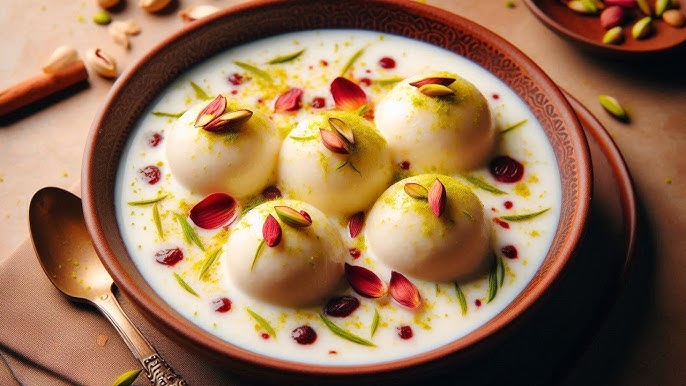
ist-pasion.com – Rasmalai, a delicate and luscious Indian dessert, is a true masterpiece of culinary artistry. It consists of soft, spongy cheese dumplings, known as chhena, soaked in a rich, creamy, and delicately flavored milk. This heavenly dessert is a popular choice for special occasions and celebrations.

The Art of Making Rasmalai

Making Rasmalai is a meticulous process that requires patience and precision. The first step involves curdling milk to obtain chhena, a soft, cottage cheese-like substance. The chhena is then kneaded to a smooth dough and shaped into small, round dumplings.

The next step is to cook the dumplings in simmering milk. As the dumplings cook, they absorb the milk, becoming soft and spongy. Once cooked, the dumplings are transferred to a sweetened, cardamom-flavored milk, where they are allowed to soak for several hours.

The Secret to Perfect Rasmalai

The key to perfect Rasmalai lies in the quality of the chhena and the richness of the milk. The chhena should be soft and pliable, while the milk should be creamy and flavorful. The balance of sweetness and the delicate aroma of cardamom are also crucial factors in creating a truly exceptional Rasmalai.

A Culinary Delight

Rasmalai is a visual and culinary delight. The soft, white dumplings, soaked in the golden-hued milk, create a stunning contrast. The delicate sweetness of the dessert, combined with the rich, creamy texture, is a truly indulgent experience.

A Modern Twist

While the traditional Rasmalai remains a classic, modern variations have emerged. Some chefs experiment with different flavors, such as chocolate or saffron, while others play with the shape and size of the dumplings. However, the core essence of Rasmalai, its soft, spongy texture and rich, creamy flavor, remains unchanged.

A Sweet Ending

Rasmalai is a timeless dessert that has captivated the hearts of sweet lovers for generations. Its delicate beauty and exquisite taste make it a perfect ending to any meal. So, the next time you crave a truly indulgent dessert, treat yourself to a bowl of heavenly Rasmalai and experience the magic of this Indian delicacy.

Truffles: The Diamond of the Culinary World

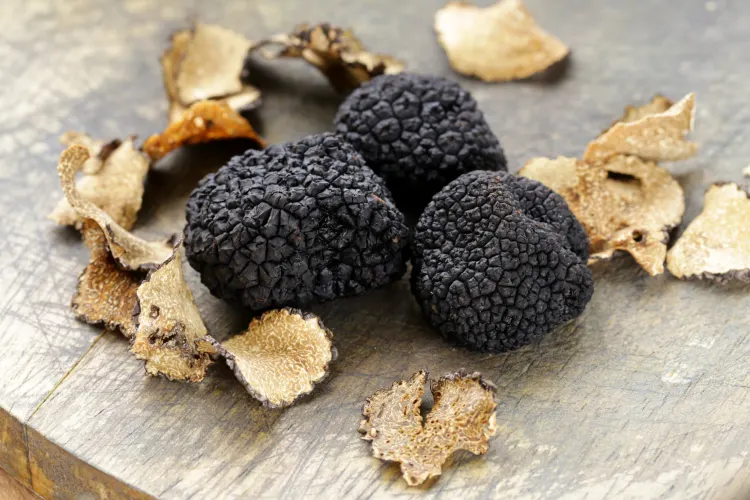
ist-pasion.com – Truffles, often referred to as the “diamonds of the culinary world,” are a highly prized type of fungus. These underground delicacies are renowned for their intense aroma and unique flavor. While there are many different types of truffles, the most sought-after varieties are the black and white truffles of Europe.

A Brief History

The history of truffle consumption dates back to ancient times. Romans and Greeks prized truffles for their distinctive flavor and aphrodisiac properties. During the Middle Ages, truffles were considered a delicacy fit for royalty. In modern times, truffles have become a staple in high-end cuisine, adding a touch of luxury to dishes around the world.

Types of Truffles

There are numerous types of truffles, each with its own unique characteristics:

  • Black Truffles:
    • Perigord Truffle: Known for its strong, earthy aroma and intense flavor.
    • Burgundy Truffle: A milder, more delicate truffle with a nutty flavor.
  • White Truffles:
    • Alba White Truffle: The most prized of all truffles, with a complex, pungent aroma and a rich, buttery flavor.

The Hunting Process

Truffles are notoriously difficult to find, as they grow underground. Traditionally, pigs or dogs trained to detect the distinctive scent of truffles are used to locate them. In recent years, technology has also been employed to aid in the search, such as using drones equipped with sensors.

The Culinary Uses of Truffles

Truffles are incredibly versatile and can be used to flavor a wide range of dishes. Some of the most popular ways to use truffles include:

  • Shaving: Fresh truffles are often shaved over dishes such as pasta, risotto, or eggs.
  • Infusing: Truffle oil, made by infusing olive oil with truffles, is a popular way to add truffle flavor to dishes without using fresh truffles.
  • Cooking: Truffles can be cooked into sauces, soups, and stews.
  • Baking: Truffles can be added to pastries, chocolates, and other baked goods.

The Price of Luxury

Truffles are one of the most expensive foods in the world. Their high price is due to a combination of factors, including their rarity, difficulty to cultivate, and intense flavor. The price of truffles can fluctuate depending on the season and the specific variety.

Conclusion

Truffles are a culinary treasure that continues to captivate food lovers around the globe. Their unique flavor and aroma elevate dishes to new heights. While their price may be high, the experience of savoring a truffle-infused dish is truly unforgettable.

Traditional Cooking from Rural Regions: The Country Culinary

ist-pasion.com – In the bustling world of modern cuisine, where fusion and innovation often take center stage, the traditional cooking methods and recipes from rural regions stand as a testament to the heart and soul of culinary heritage. These age-old practices, deeply rooted in the culture and environment of rural communities, offer a unique insight into the lives of people who have cultivated, harvested, and prepared their food in harmony with the seasons and the land for generations.

The Essence of Rural Cooking

Rural cooking is not just about recipes; it’s a way of life. It’s about using what’s available, whether it’s fresh produce from the garden, meat from the farm, or fish from the local river. This approach to cooking is sustainable, resourceful, and deeply connected to the environment. The flavors are often simple yet profound, a reflection of the land and its seasons.

Preserving Traditions: The Art of Home Cooking

In rural regions, the art of home cooking is not just about preparing meals; it’s about preserving traditions. Many families have recipes that have been passed down through generations, each dish telling a story of the past. Techniques such as canning, pickling, and drying are not just methods of preservation but also ways to ensure the continuity of these culinary traditions.

The Importance of Community and Sharing

Cooking in rural communities is also a communal affair. Festivals, gatherings, and celebrations often revolve around food, bringing people together to share in the joy of eating and the stories behind the dishes. This sharing of food and stories strengthens community bonds and preserves the cultural heritage of rural regions.

The Impact of Modernization

While traditional rural cooking remains a strong part of many communities, the impact of modernization cannot be ignored. Access to global ingredients and cooking techniques has both enriched and challenged the preservation of traditional culinary practices. However, there is a growing movement to revive and celebrate these traditions, recognizing their importance in maintaining cultural identity and promoting sustainable living.

Exploring Rural Cuisines Around the World

From the hearty stews of Europe’s countryside to the vibrant spices of rural India, and the fresh seafood dishes of coastal villages, rural cuisines around the world offer a diverse and rich culinary experience. Each region has its unique flavors, ingredients, and cooking methods, reflecting the local environment, history, and culture.

Conclusion: The Enduring Appeal of Rural Cooking

In a world that is increasingly fast-paced and disconnected from the sources of our food, the traditional cooking from rural regions offers a sense of grounding and authenticity. It reminds us of the importance of respecting and preserving our culinary heritage, the value of community and sharing, and the joy of eating food that is fresh, seasonal, and prepared with love. As we continue to explore and celebrate these traditions, we not only honor the past but also ensure a sustainable and flavorful future for generations to come.