“Times and Winds” (Beş Vakit): Rural Life and Human Emotions

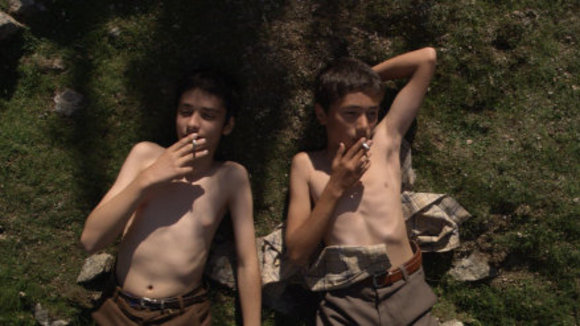
ist-pasion.com – “Times and Winds” (“Beş Vakit”) is a 2006 Turkish drama film directed by Reha Erdem. Known for its lyrical storytelling and stunning cinematography, the film offers a meditative glimpse into the lives of people in a small Turkish village, exploring themes of childhood, nature, and the passage of time.

Plot Overview

Set in a remote village nestled between mountains and the sea, “Times and Winds” follows the lives of three children—Ömer, Yakup, and Yıldız—each grappling with their own personal struggles and desires. The film is structured around the five daily Islamic prayer times, using these moments to frame the unfolding events and internal conflicts experienced by the children and their families.

Ömer harbors resentment towards his father, the village imam, and dreams of escaping his oppressive environment. Yakup is infatuated with his teacher and silently suffers from unrequited love, while Yıldız navigates the challenges of growing up and taking on responsibilities within her family. As the film progresses, these young characters confront the harsh realities of life and the complexities of human relationships.

Themes and Symbolism

“Times and Winds” is a profound exploration of the intersection between human emotions and the natural world. The film’s director, Reha Erdem, masterfully uses the rural landscape to reflect the inner lives of the characters, capturing the beauty and brutality of nature. The cyclical nature of the five prayer times serves as a metaphor for the rhythms of life, emphasizing themes of continuity, change, and the inevitable passage of time.

The film also delves into the intricacies of family dynamics and societal expectations, highlighting the tension between tradition and individual aspirations. Through its nuanced portrayal of childhood and adolescence, “Times and Winds” captures the innocence, curiosity, and turmoil that define the transition from childhood to adulthood.

Impact and Reception

“Times and Winds” was widely acclaimed for its artistic vision and emotional depth. It received numerous awards and accolades at international film festivals, praised for its evocative imagery and the director’s ability to convey profound themes through subtle storytelling. The film’s contemplative pace and rich visual style invite viewers to reflect on their own experiences and the universal aspects of human life.

Conclusion

“Times and Winds” is a cinematic masterpiece that transcends cultural boundaries, offering a poignant and poetic exploration of human emotions and the natural world. Through its beautifully crafted narrative and stunning visuals, the film invites audiences to pause and reflect on the rhythms of life, the passage of time, and the enduring connections that shape our existence. This film is a testament to the power of cinema to evoke deep emotions and provoke thoughtful introspection.

Traditional Cooking from Rural Regions: The Country Culinary

ist-pasion.com – In the bustling world of modern cuisine, where fusion and innovation often take center stage, the traditional cooking methods and recipes from rural regions stand as a testament to the heart and soul of culinary heritage. These age-old practices, deeply rooted in the culture and environment of rural communities, offer a unique insight into the lives of people who have cultivated, harvested, and prepared their food in harmony with the seasons and the land for generations.

The Essence of Rural Cooking

Rural cooking is not just about recipes; it’s a way of life. It’s about using what’s available, whether it’s fresh produce from the garden, meat from the farm, or fish from the local river. This approach to cooking is sustainable, resourceful, and deeply connected to the environment. The flavors are often simple yet profound, a reflection of the land and its seasons.

Preserving Traditions: The Art of Home Cooking

In rural regions, the art of home cooking is not just about preparing meals; it’s about preserving traditions. Many families have recipes that have been passed down through generations, each dish telling a story of the past. Techniques such as canning, pickling, and drying are not just methods of preservation but also ways to ensure the continuity of these culinary traditions.

The Importance of Community and Sharing

Cooking in rural communities is also a communal affair. Festivals, gatherings, and celebrations often revolve around food, bringing people together to share in the joy of eating and the stories behind the dishes. This sharing of food and stories strengthens community bonds and preserves the cultural heritage of rural regions.

The Impact of Modernization

While traditional rural cooking remains a strong part of many communities, the impact of modernization cannot be ignored. Access to global ingredients and cooking techniques has both enriched and challenged the preservation of traditional culinary practices. However, there is a growing movement to revive and celebrate these traditions, recognizing their importance in maintaining cultural identity and promoting sustainable living.

Exploring Rural Cuisines Around the World

From the hearty stews of Europe’s countryside to the vibrant spices of rural India, and the fresh seafood dishes of coastal villages, rural cuisines around the world offer a diverse and rich culinary experience. Each region has its unique flavors, ingredients, and cooking methods, reflecting the local environment, history, and culture.

Conclusion: The Enduring Appeal of Rural Cooking

In a world that is increasingly fast-paced and disconnected from the sources of our food, the traditional cooking from rural regions offers a sense of grounding and authenticity. It reminds us of the importance of respecting and preserving our culinary heritage, the value of community and sharing, and the joy of eating food that is fresh, seasonal, and prepared with love. As we continue to explore and celebrate these traditions, we not only honor the past but also ensure a sustainable and flavorful future for generations to come.