Patties: The Origins of Patties – A Jamaican Culinary Delight

ist-pasion.com – Patties are a popular Jamaican snack or meal that offers a delicious blend of flavors and textures. These savory pastries are typically made with a flaky crust filled with a variety of ingredients, such as beef, chicken, or vegetables. They are often enjoyed on their own or as part of a larger meal.

The Origins of Patties

The exact origins of patties are somewhat unclear, but they are believed to have Caribbean roots, influenced by British and Indian culinary traditions. The flaky pastry is reminiscent of British pasties, while the spicy fillings are reminiscent of Indian curries. Over time, Jamaican cooks have adapted these influences to create their own unique style of patties.

The Filling

The filling is the heart of a patty. It can range from mild to spicy, depending on the ingredients and the desired level of heat. Some popular fillings include:

  • Beef: A classic choice, beef patties are often seasoned with a blend of spices like thyme, allspice, and Scotch bonnet peppers.
  • Chicken: Chicken patties offer a milder flavor and are a popular option for those who prefer a less spicy dish.
  • Vegetable: Vegetarian patties are filled with a mixture of vegetables like carrots, potatoes, and green peas, seasoned with herbs and spices.

The Crust

The crust is another crucial component of a patty. It’s typically made from a flaky pastry dough that is rolled out, filled with the desired filling, and then folded and sealed. The crust is often brushed with egg wash before baking, which gives it a golden-brown color and a crispy texture.

Serving Suggestions

Patties can be enjoyed in a variety of ways. They are often served hot, straight from the oven or deep fryer. Some people like to eat them on their own, while others prefer to pair them with a side of ketchup, mustard, or a spicy dipping sauce. Patties can also be incorporated into larger meals, such as breakfast or brunch.

Patties in Jamaican Culture

Patties are a beloved part of Jamaican culture. They are a popular street food, often sold from roadside vendors or at local markets. They are also available in supermarkets and bakeries throughout the country. Patties are a versatile and satisfying food that can be enjoyed by people of all ages.
Rasmalai: A Heavenly Delight – A Culinary Delight

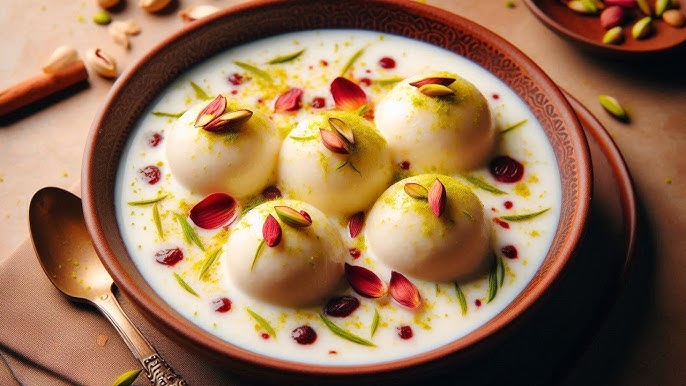
ist-pasion.com – Rasmalai, a delicate and luscious Indian dessert, is a true masterpiece of culinary artistry. It consists of soft, spongy cheese dumplings, known as chhena, soaked in a rich, creamy, and delicately flavored milk. This heavenly dessert is a popular choice for special occasions and celebrations.

The Art of Making Rasmalai

Making Rasmalai is a meticulous process that requires patience and precision. The first step involves curdling milk to obtain chhena, a soft, cottage cheese-like substance. The chhena is then kneaded to a smooth dough and shaped into small, round dumplings.

The next step is to cook the dumplings in simmering milk. As the dumplings cook, they absorb the milk, becoming soft and spongy. Once cooked, the dumplings are transferred to a sweetened, cardamom-flavored milk, where they are allowed to soak for several hours.

The Secret to Perfect Rasmalai

The key to perfect Rasmalai lies in the quality of the chhena and the richness of the milk. The chhena should be soft and pliable, while the milk should be creamy and flavorful. The balance of sweetness and the delicate aroma of cardamom are also crucial factors in creating a truly exceptional Rasmalai.

A Culinary Delight

Rasmalai is a visual and culinary delight. The soft, white dumplings, soaked in the golden-hued milk, create a stunning contrast. The delicate sweetness of the dessert, combined with the rich, creamy texture, is a truly indulgent experience.

A Modern Twist

While the traditional Rasmalai remains a classic, modern variations have emerged. Some chefs experiment with different flavors, such as chocolate or saffron, while others play with the shape and size of the dumplings. However, the core essence of Rasmalai, its soft, spongy texture and rich, creamy flavor, remains unchanged.

A Sweet Ending

Rasmalai is a timeless dessert that has captivated the hearts of sweet lovers for generations. Its delicate beauty and exquisite taste make it a perfect ending to any meal. So, the next time you crave a truly indulgent dessert, treat yourself to a bowl of heavenly Rasmalai and experience the magic of this Indian delicacy.

Discovering Cendol: A Sweet Delight from Southeast Asia

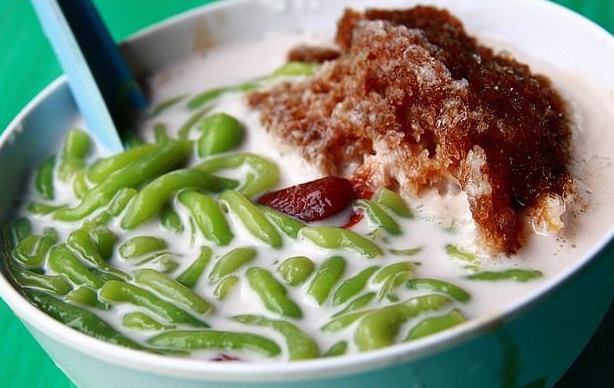
ist-pasion.com – Cendol is a popular dessert that hails from Southeast Asia, cherished for its refreshing taste and unique combination of textures. This delightful treat is made from green rice flour jelly, creamy coconut milk, and aromatic palm sugar. Known for its vibrant colors and sweet flavors, cendol is a favorite among locals and visitors alike. Let’s explore the origins, ingredients, and cultural significance of this beloved dessert.

The Origins of Cendol

Cendol’s roots can be traced back to Southeast Asia, where it is a staple in countries like Malaysia, Indonesia, Singapore, and Thailand. While the exact origins of cendol are uncertain, it is believed to have been influenced by the various cultural exchanges in the region. The dessert is a testament to the ingenuity of traditional Southeast Asian cooking, which often combines simple ingredients to create complex flavors and textures.

Key Ingredients of Cendol

Green Rice Flour Jelly

The distinctive green jelly in cendol is made from rice flour and pandan leaf extract, giving it its characteristic color and subtle fragrance. The jelly is typically shaped into short, worm-like strands, adding an interesting texture to the dessert. The pandan leaves not only impart a natural green hue but also a hint of floral aroma that complements the other ingredients.

Coconut Milk

Coconut milk is a key component of cendol, providing a rich, creamy base that enhances the dessert’s overall flavor. The coconut milk is often freshly squeezed, ensuring a smooth and luscious consistency. Its natural sweetness pairs perfectly with the other ingredients, creating a harmonious blend of flavors.

Palm Sugar

Palm sugar, known for its deep caramel notes, is the sweetener of choice for cendol. It is typically melted into a syrup and drizzled over the dessert, adding a rich, molasses-like sweetness. The combination of palm sugar and coconut milk creates a delightful contrast with the slightly chewy jelly.

The Cultural Significance of Cendol

Cendol is more than just a dessert; it is an integral part of the culinary heritage of Southeast Asia. It is often enjoyed as a cooling treat during the hot and humid months, offering a refreshing respite from the heat. In many regions, cendol is sold by street vendors and in food markets, making it an accessible and beloved snack for people of all ages.

Enjoying Cendol

Cendol is best enjoyed chilled, allowing the flavors to meld together for a refreshing experience. It is often served in a bowl or glass, with a generous helping of shaved ice to enhance its cooling effect. Some variations of cendol include additional toppings like red beans, sweet corn, or diced fruit, adding even more layers of flavor and texture.

In conclusion, cendol is a delightful dessert that captures the essence of Southeast Asian cuisine. Its unique combination of ingredients and textures makes it a must-try for anyone visiting the region. Whether you’re savoring it on a hot day or enjoying it as a sweet ending to a meal, cendol offers a taste of tradition and a touch of sweetness that is sure to leave a lasting impression.