The Raccoon: A Resourceful and Mischievous Mammal

ist-pasion.com – Raccoons are one of the most recognizable and adaptable mammals in North America. Known for their distinctive black “mask” of fur around their eyes, dexterous front paws, and curious nature, raccoons have become a symbol of resourcefulness and mischief. Part of the Procyonidae family, raccoons are highly intelligent and capable of thriving in both wild and urban environments. This article explores the characteristics, behavior, diet, habitat, and role of raccoons in ecosystems.

1. What is a Raccoon?

The raccoon (Procyon lotor) is a medium-sized mammal native to North America, though its range has expanded to parts of Europe and Asia. It is easily recognizable by its bushy tail, which typically has several black rings, and its black facial mask, formed by dark fur around the eyes. Raccoons are part of the Procyonidae family, which also includes animals like the coati, kinkajou, and ringtail.

Raccoons are omnivorous, opportunistic feeders, which means they will eat a wide variety of food depending on availability. They are known for their adaptability and have successfully established themselves in urban areas, where they often forage through trash cans and urban parks. Despite their sometimes mischievous reputation, raccoons are highly intelligent creatures, capable of solving complex problems and using tools.

2. Physical Characteristics of Raccoons

Raccoons have distinctive physical features that set them apart from other mammals. The most noticeable is their black “mask” of fur around their eyes, which gives them a masked appearance and is one of the defining characteristics of the species. Their fur is typically grayish-brown, though it may have a more reddish or yellowish tint depending on their location and diet. The raccoon’s bushy tail is another standout feature, usually with 4–6 black rings that are visible even from a distance.

Raccoons have agile, dexterous front paws that resemble human hands, which they use for a wide variety of tasks. These paws allow raccoons to open containers, unlock cages, and manipulate objects with surprising precision. Their ability to “wash” food before eating (often mistaken for actual washing, but more of a behavior to inspect the food) is another unique behavior that stems from the raccoon’s sensitivity in its paws.

Adults typically weigh between 8 to 24 pounds (3.5 to 11 kg), though this can vary by species and region. They have a relatively small face and a long, bushy tail, giving them a compact but agile body suited for climbing, scavenging, and foraging.

3. Raccoon Behavior and Social Structure

Raccoons are solitary animals, though they can sometimes be found in small groups, especially during the breeding season or when resources are abundant. They are nocturnal creatures, meaning they are most active during the night. This nocturnal behavior helps raccoons avoid predators and take advantage of the cooler, quieter night hours to forage for food.

Raccoons are highly curious and intelligent, often getting into places where they aren’t supposed to be—such as trash cans, attics, and even homes. This curiosity and problem-solving ability make them highly adaptable and capable of living alongside humans in urban environments. In fact, raccoons are often seen as a nuisance in cities and towns, where they scavenge through garbage and raid bird feeders.

Though generally solitary, raccoons will sometimes form groups during certain periods, particularly during the winter months when they share dens for warmth. These temporary social arrangements are typically not long-lasting, as raccoons are territorial and prefer solitude for most of the year.

4. Raccoon Diet and Feeding Habits

Raccoons are omnivores with an opportunistic diet, meaning they will eat whatever food is available. In the wild, their diet primarily consists of fruits, nuts, seeds, insects, small mammals, and amphibians. They are also known to hunt for fish, crayfish, and other aquatic organisms if they live near water sources. Raccoons will often dig in the ground for insects and earthworms, and they have been known to raid bird nests for eggs.

In urban environments, raccoons are notorious for scavenging garbage cans, compost bins, and pet food left outdoors. They are often seen rummaging through trash in search of discarded food, and their ability to open containers with their dexterous paws only adds to their reputation as clever and persistent creatures.

Raccoons are also known for their “washing” behavior, which involves dipping food into water before eating it. While it may appear as though they are washing their food, this behavior is actually an instinctive action to examine and manipulate the food more thoroughly using their sensitive paws. This behavior is more likely to occur if they have access to a water source.

5. Raccoon Habitat and Range

Raccoons are highly adaptable creatures that can live in a wide range of habitats, from dense forests and wetlands to suburban neighborhoods and urban areas. They are commonly found in forests, woodlands, marshes, and along rivers, where they have access to food sources like fruits, insects, and small animals.

In urban areas, raccoons thrive in parks, yards, and rooftops, often taking shelter in attics, chimneys, and abandoned buildings. Their ability to navigate both natural and human-modified environments has contributed to their successful adaptation to cities, where they find abundant food and shelter. Raccoons are proficient climbers, and they are equally at home in trees as they are on the ground, where they dig and search for food.

While raccoons are capable of surviving in almost any habitat, they prefer environments that provide food, water, and adequate shelter. Dens can range from hollow trees and burrows to man-made structures such as sheds or garages.

6. Raccoon Conservation Status

Raccoons are not considered endangered, and in fact, their populations have flourished in many areas due to their adaptability and opportunistic feeding habits. They are classified as Least Concern by the International Union for Conservation of Nature (IUCN), meaning that they do not currently face significant threats to their survival.

However, raccoons do face some risks, particularly from habitat loss, road traffic, and disease. In urban areas, raccoons are at risk of coming into contact with vehicles and human-made hazards, such as pesticides and traps. They can also contract diseases such as rabies, distemper, and leptospirosis, which can affect both raccoons and other wildlife populations.

7. Fun Facts About Raccoons

  • Raccoons have a “hand-like” dexterity in their front paws, which allows them to open doors, containers, and even unlock cages.
  • The black “mask” around a raccoon’s eyes helps reduce glare from the sun and improves its vision at night.
  • Raccoons are excellent swimmers and are able to dive underwater to catch fish or forage in aquatic environments.
  • A group of raccoons is sometimes called a “gaze,” although raccoons are typically solitary animals.
  • The “washing” behavior is actually a way for raccoons to manipulate and inspect their food using their sensitive paws, not a literal washing action.

8. Conclusion

Raccoons are highly adaptable, intelligent creatures that have learned to thrive in both wild and urban environments. Their curiosity, dexterous paws, and nocturnal habits have made them one of the most resourceful mammals in North America. Whether foraging in forests or scavenging through city streets, raccoons are experts at finding food and making their homes in a variety of environments. While they may sometimes be seen as mischievous pests, raccoons play an important role in ecosystems by controlling insect populations, dispersing seeds, and contributing to biodiversity. Understanding their behavior and role in nature can help humans coexist with these fascinating animals.
The Elephant: Majestic Giants of the Earth

ist-pasion.com – Elephants, with their immense size, intelligence, and social structures, are among the most fascinating and beloved animals on the planet. Revered in many cultures for their strength and wisdom, elephants have captivated the human imagination for centuries. This article explores the different species of elephants, their physical characteristics, behaviors, and the conservation challenges they face in the modern world.

Physical Characteristics

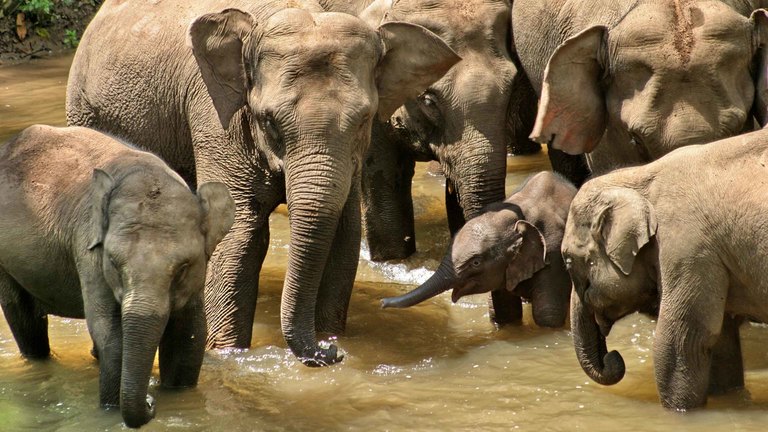
Elephants are the largest land mammals, with two distinct species: the African elephant (Loxodonta africana) and the Asian elephant (Elephas maximus). Both species share several notable physical traits, including their large ears, trunk, and tusks, but there are some differences between them.

  • African elephants are larger than their Asian relatives and have more expansive ears shaped like the African continent. Their trunks are incredibly versatile, capable of performing a wide range of tasks from picking up food to drinking water and communicating with other elephants.
  • Asian elephants are smaller in size and have rounder ears compared to their African counterparts. Their trunks are similarly long and strong but tend to be somewhat shorter and less dexterous.

Both species have tusks, which are elongated incisors, and while both males and females of the African species typically have tusks, only male Asian elephants have them. Elephants’ thick skin is grayish in color, with folds and wrinkles that help retain moisture and protect against sun exposure.

Habitat and Distribution

Elephants are native to both Africa and Asia, each species occupying distinct regions. African elephants are found across sub-Saharan Africa, where they inhabit a variety of environments, including savannas, forests, and deserts. These elephants are more widely distributed than their Asian relatives and are found in countries such as Botswana, Kenya, Tanzania, and South Africa.

Asian elephants, on the other hand, are mostly found in forested areas across South and Southeast Asia, including India, Sri Lanka, Nepal, Thailand, and parts of Indonesia. Their habitats include tropical forests, grasslands, and wetlands.

Despite the wide range of habitats they occupy, both African and Asian elephants face challenges due to human activities, including habitat loss, human-wildlife conflict, and poaching for their tusks and other body parts.

Social Structure and Behavior

Elephants are known for their complex social structures, which are based on strong family bonds. In African elephants, herds are typically led by an older, experienced matriarch, often the oldest female in the group. These herds consist of related females and their offspring, and they are highly cooperative, working together to protect each other from predators and to care for the young.

Male elephants, called bulls, usually leave the herd when they reach maturity and tend to lead more solitary lives, only rejoining females for mating. However, bulls may also form loose bachelor groups.

Asian elephant social structures are somewhat similar but may be less rigid. Female Asian elephants live in matriarchal groups, while males also tend to live solitary lives, coming together with females only during the mating season.

Elephants are highly intelligent animals, capable of using tools, solving complex problems, and exhibiting emotions such as empathy and grief. They communicate through a variety of sounds, including trumpets, rumbles, and low-frequency vibrations, and they use their trunks to touch and interact with other elephants, conveying affection, reassurance, and social bonds.

Diet and Feeding Habits

Elephants are herbivores and play a crucial role in shaping their environment through their feeding habits. They are known as “keystone species” because their actions help maintain the balance of their ecosystems. Elephants can consume up to 300 pounds (136 kilograms) of vegetation each day, including grasses, fruits, leaves, bark, and twigs.

Their trunks are highly sensitive and act as a powerful tool for picking up food, sucking up water, and even socializing with others. Elephants have large molars that help them chew tough plant material, but they are also known to consume large amounts of water, sometimes drinking up to 50 gallons (190 liters) per day.

In addition to their role in plant consumption, elephants help disperse seeds through their droppings, which supports the regeneration of many plant species in their habitats. Their feeding habits also shape the landscape, as they sometimes uproot trees and create open spaces that benefit other species.

Conservation Status and Threats

Elephants face significant threats to their survival, primarily from habitat loss, poaching, and human-wildlife conflict. African elephants, particularly forest elephants, have seen a dramatic decline in population due to the ivory trade, which remains a major issue despite international bans on ivory sales. The African elephant population is currently listed as “Vulnerable” by the International Union for Conservation of Nature (IUCN), with certain populations, such as the forest elephant, critically endangered.

Asian elephants are also classified as “Endangered” by the IUCN, with their numbers dwindling due to habitat destruction, fragmentation, and human-wildlife conflict. In some regions, Asian elephants are forced to migrate through agricultural areas, where they can come into conflict with farmers. Habitat loss due to deforestation and the conversion of land for agriculture further exacerbates the challenges faced by Asian elephant populations.

Conservation efforts for elephants have become a global priority. These efforts include anti-poaching initiatives, habitat preservation, and strengthening the enforcement of international bans on the ivory trade. In some areas, human-elephant conflict mitigation strategies, such as the use of barriers or creating wildlife corridors, are helping to reduce the negative impact of human activities on elephant populations.

Conclusion

Elephants are truly magnificent creatures, known for their size, intelligence, and social bonds. Their roles as ecosystem engineers and keystone species are invaluable to the health of their environments. However, these majestic animals are facing numerous challenges, and their survival depends on continued conservation efforts, habitat protection, and global cooperation to combat poaching and the ivory trade.

By supporting conservation initiatives and promoting awareness about the plight of elephants, we can help ensure that future generations of these remarkable creatures continue to roam the earth, playing their essential role in maintaining the balance of nature.

The Diet of Monkeys: What Do These Primates Eat?

ist-pasion.com – Monkeys are a diverse group of primates found in various regions of the world, from tropical rainforests to mountainous regions. With over 300 species, monkeys have adapted to a wide range of habitats and food sources. As omnivores, their diet consists of a mixture of fruits, plants, insects, and sometimes small animals. Let’s explore the diverse diet of monkeys and how their feeding habits vary by species and habitat.

Omnivorous Diet: A Blend of Plant and Animal Foods

Monkeys are omnivores, meaning they eat both plant-based and animal-based foods. However, the majority of monkey species primarily rely on fruits, leaves, and other plant materials. Common food sources for monkeys include:

  • Fruits (such as bananas, berries, mangoes, and figs)
  • Leaves and flowers
  • Nuts and seeds
  • Insects (such as ants, termites, and caterpillars)
  • Birds and eggs
  • Small mammals (in some species)

While fruit is often the favorite food of many monkey species, they have a diverse diet that allows them to adapt to the seasonal availability of food. The ability to switch between plant and animal matter gives them an advantage in different habitats and conditions.

Fruit Lovers: The Role of Fruits in Monkey Diets

For many monkeys, fruits form a significant portion of their diet. They are especially attracted to sweet, ripe fruits because they provide high-energy sugars. In tropical rainforests, where fruit trees are abundant, monkeys are active foragers, often traveling long distances to find ripe fruits.

Some monkey species, like the spider monkeys and howler monkeys, are frugivorous, meaning that fruit makes up the majority of their diet. These monkeys are essential for seed dispersal, as they consume fruits and later excrete the seeds, contributing to forest regeneration.

Leaf Eaters: Monkeys That Rely on Vegetation

In addition to fruit, many monkeys consume a variety of plant materials, such as:

  • Leaves (both young and mature)
  • Flowers
  • Tree bark
  • Shoots

Certain species, like colobus monkeys and langurs, are folivorous, meaning they primarily eat leaves. These monkeys have specialized stomachs that allow them to digest tough, fibrous plant materials. Leaves are more abundant and stable year-round, making them an essential food source for these species.

Insects and Small Animals

While plant-based foods make up a large portion of a monkey’s diet, many species supplement their meals with protein-rich insects and small animals. Some of the common animal-based foods include:

  • Ants, termites, and beetles
  • Spiders and scorpions
  • Bird eggs and hatchlings
  • Small mammals (like rodents)

Monkeys are skilled at catching insects and hunting small prey. For example, capuchin monkeys are known for their intelligence and use of tools to access difficult-to-reach food, such as cracking open nuts or using sticks to extract insects from tree bark.

Dietary Variations by Species

The specific diet of monkeys varies depending on the species, habitat, and food availability. Below are some examples of how different monkey species have specialized diets:

  • Capuchin monkeys are known for their broad and adaptable diet, consuming everything from fruits and leaves to insects, small mammals, and even crabs.
  • Spider monkeys mainly eat fruits and are crucial for seed dispersal in tropical forests.
  • Howler monkeys rely heavily on leaves, as they have adapted to eat the tough vegetation in their environment.
  • Baboons, which live in more arid environments, eat a mix of fruits, roots, insects, and small animals, including small birds or even young antelopes.

Seasonal Changes in Diet

The availability of food in a monkey’s environment changes with the seasons, and monkeys adjust their diets accordingly. In the wet season, when fruits and insects are abundant, monkeys tend to eat more of these high-energy foods. During the dry season, when food is scarcer, monkeys may turn to leaves, seeds, and bark, which are more readily available but less nutritious.

Monkeys living in temperate or mountainous regions, such as Japanese macaques (snow monkeys), must also adjust their diet in colder months, relying on roots, bark, and even raiding farms for crops like sweet potatoes.

Social Feeding and Foraging

Monkeys are social animals that often forage for food in groups. This social behavior allows them to share information about food sources and increases their chances of finding food in dense forests or savannahs. In many species, young monkeys learn from older members of the group how to find and access different types of food.

Capuchin monkeys, for instance, are known to use tools, and young capuchins learn by observing the adults. Similarly, some monkey species have developed specific behaviors for catching insects or hunting small animals, which are passed down through generations.

Conclusion

Monkeys are highly adaptable omnivores with diverse diets that include fruits, leaves, insects, and small animals. Their diet varies significantly by species, habitat, and food availability, allowing them to thrive in a wide range of environments. Whether foraging for fruits in tropical rainforests, hunting insects in savannahs, or eating leaves in more temperate forests, monkeys play a crucial role in their ecosystems, from seed dispersal to pest control. Their versatility in finding food is one of the key factors behind their survival and widespread presence across the globe.

A Comprehensive Look at Sparrows: Tiny Birds with Big Impact

ist-pasion.com – Sparrows, those ubiquitous, chirping birds, are often overlooked in our bustling world. Yet, these seemingly ordinary creatures play a vital role in our ecosystems and have captivated the hearts of birdwatchers and poets alike for centuries. This article delves into the fascinating world of sparrows, exploring their diverse species, unique characteristics, and significant contributions to the environment.   

A Diverse Family

The term “sparrow” encompasses a wide range of small, seed-eating birds belonging to the Passeridae family. While the House Sparrow is perhaps the most recognizable, with its brown and gray plumage, there are over 25 other species of true sparrows, each with its own distinct appearance and behavior. From the vibrant colors of the Eurasian Tree Sparrow to the sleek silhouette of the Rock Sparrow, the sparrow family exhibits a remarkable degree of diversity.   

Key Characteristics and Adaptations

Sparrows are well-adapted to their environments, showcasing several key characteristics that contribute to their success:

  • Robust Build: Their compact bodies and strong legs enable them to navigate various terrains, from urban landscapes to rural fields.
  • Versatile Diet: While primarily seed-eaters, sparrows also consume insects, particularly during breeding seasons, providing a crucial source of protein for their young.   
  • Social Behavior: Many sparrow species are highly social, forming flocks that offer protection against predators and facilitate efficient foraging.   
  • Nesting Strategies: Sparrows are adaptable nesters, utilizing a variety of natural cavities and man-made structures, including birdhouses, nest boxes, and even abandoned burrows.

Ecological Significance

Sparrows play a crucial role in maintaining the balance of ecosystems:

  • Seed Dispersal: By consuming seeds and subsequently excreting them in different locations, sparrows contribute to the germination and dispersal of plant species.   
  • Insect Control: Their consumption of insects helps to regulate insect populations, benefiting both agricultural and natural ecosystems.   
  • Food Source for Predators: Sparrows serve as a vital food source for a variety of predators, including hawks, owls, and snakes, contributing to the overall health of the food chain.   

Cultural and Literary Significance

Sparrows have long held a special place in human culture and literature:

  • Symbolism: In various cultures, sparrows have been associated with themes of resilience, adaptability, and community.
  • Poetry and Literature: From Shakespeare’s sonnets to modern-day poetry, sparrows have inspired countless writers with their simple beauty and everyday presence.
  • Folklore: Many cultures have developed folklore and superstitions surrounding sparrows, reflecting their close association with human settlements.

Conservation Challenges

Despite their adaptability, sparrow populations face several conservation challenges:

  • Habitat Loss: Urbanization, agricultural intensification, and deforestation have led to the loss of suitable nesting and foraging habitats.   
  • Food Scarcity: Changes in agricultural practices, such as the reduction of traditional farming methods, have limited the availability of natural food sources.
  • Predation and Competition: Increased predation from invasive species and competition from non-native birds can negatively impact sparrow populations.   

Conservation Efforts

To ensure the long-term survival of sparrow populations, various conservation efforts are underway:

  • Habitat Restoration: Creating and maintaining suitable nesting and foraging habitats through initiatives such as backyard bird gardens and wildlife corridors.   
  • Sustainable Agriculture: Promoting sustainable agricultural practices that support biodiversity and provide food sources for sparrows.
  • Public Awareness: Educating the public about the importance of sparrows and encouraging responsible bird feeding practices.   

Conclusion

Sparrows, often overlooked in the grand scheme of nature, are remarkable creatures that play a vital role in our ecosystems. By understanding their unique characteristics, appreciating their ecological significance, and addressing the challenges they face, we can ensure the continued presence of these charming birds for generations to come.

The Bee’s Dance: The Social Butterfly

ist-pasion.com – In the world of insects, bees stand out as social butterflies, communicating through a fascinating array of signals and behaviors. Among these, the most well-known is the bee’s dance, a complex form of communication that plays a crucial role in the life of a hive. This dance is not just a random fluttering but a precise and intricate language that conveys vital information to other members of the colony.

The Purpose of the Bee’s Dance

The primary purpose of the bee’s dance is to communicate the location of food sources to other members of the hive. Forager bees, upon discovering a rich source of nectar or pollen, return to the hive and perform a dance that indicates the direction and distance of the food source. This ensures that the colony can efficiently exploit the resources, supporting the survival and growth of the hive.

Decoding the Waggle Dance

One of the most studied and understood forms of the bee’s dance is the waggle dance. This dance consists of a series of movements that form a figure-eight pattern. The angle of the dance relative to the vertical comb informs the direction of the food source in relation to the sun, while the duration of the waggle run indicates the distance. The vigor and repetition of the dance also signal the quality of the food source, with more enthusiastic dances for richer sources.

The Role of the Dance in Colony Coordination

The bee’s dance is a testament to the sophisticated social organization of bees. It allows the colony to coordinate foraging efforts, ensuring that resources are utilized efficiently. This communication also helps in the selection of new nest sites during swarming, with scout bees performing dances to indicate the suitability and location of potential homes.

The Impact of Environmental Factors on Bee Communication

Environmental factors such as climate change, habitat loss, and pesticide use can disrupt the delicate communication systems of bees. Changes in flowering patterns due to climate change can make it difficult for bees to accurately communicate the location of food sources. Similarly, habitat fragmentation can increase the distance bees need to travel for foraging, affecting the precision of the dance communication.

Conserving the Social Butterflies

To protect bees and their intricate communication systems, it is essential to address the environmental challenges they face. Conservation efforts should focus on preserving natural habitats, promoting sustainable agricultural practices, and reducing the use of harmful pesticides. By creating a supportive environment for bees, we can ensure that these social butterflies continue to thrive, pollinate our crops, and inspire us with their complex dances for generations to come.